Climate scientists are calling for timely usage of weather and climate forecasts to help save lives and livelihoods while building resilient communities.
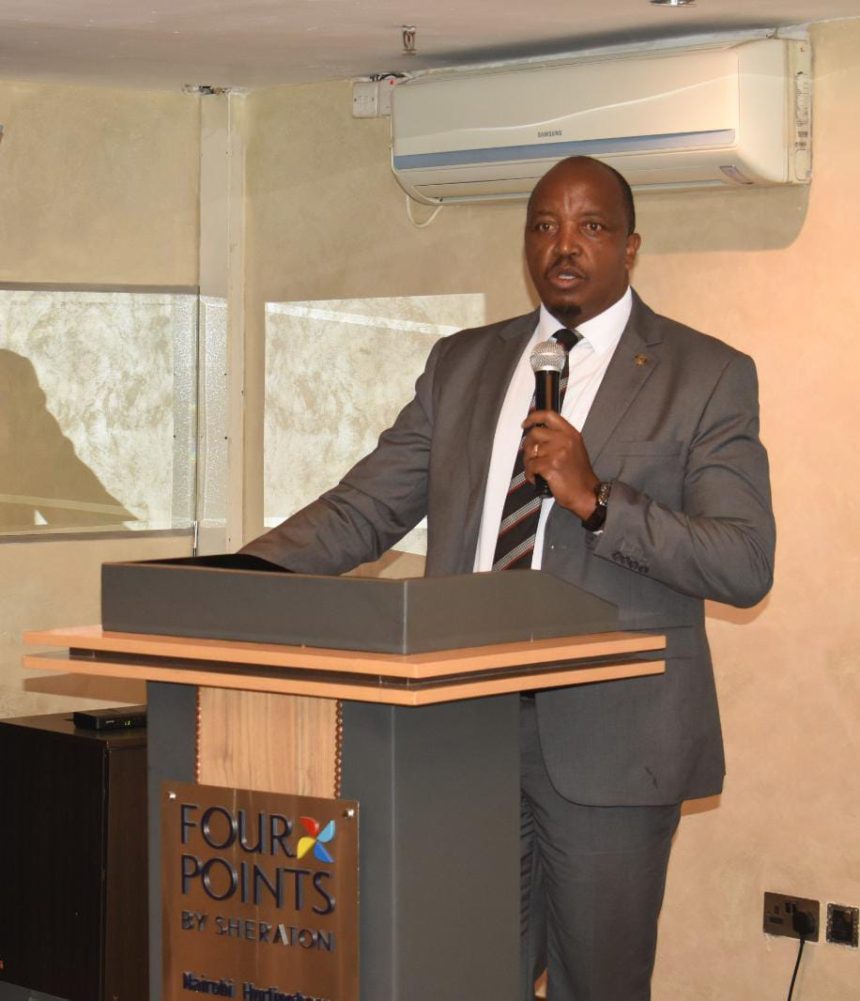
Acting Director of Kenya Meteorological Service Authority (KMSA), Edward Muriuki who opened the National Technical Co-production and Action-based forecasting (ABF) framework development workshop in Nairobi, called for commitment to strengthening partnerships across the entire disaster risk management value chain, “So that every warning leads to meaningful action, together we can transform forecasts into protection and build a safer more resilient Kenya.”

He noted that while The Kenya Meteorological Service Authority has made considerable progress in improving weather forecasting and early warning services, there is still more to be done in translating the forecast to meaningful actions that reduce the impacts of extreme weather events remains a challenge.
“No matter how accurate our forecasts are, no matter how clear they may be, they will not save lives. It is the timely decisions that emanate from those forecasts and early action that is coordinated that will technically save lives,” said Muriuki.
The Acting Director said when institutions work together, communities can receive timely information that enables them to make informed decisions that save lives and livelihoods noting that success will be achieved through effective partnerships and collaborations.
Climate variability and climate change continues to increase the frequency and intensity of extreme weather events, making Action Based Forecasting approach more important than ever, Muriuki notes that the initiative is coming at a time when there is so much anxiety among the public due to the anticipated El Nino and its impacts and the positive Indian Ocean Dipole (IOD) driven October–November-December (OND) rainfall season, that is likely to rains that are above average over many parts of the country.
“While rainfall is essential for livelihoods, agriculture and water resources, above-normal rainfall also presents significant risks such as flooding, loss of lives and livelihoods, destruction to infrastructure, displacement of people and damage to crops,” said Muriuki.
Hence the need for Action-Based Forecasting (ABF), which links forecast information directly to pre-agreed actions that can be implemented before a hazard occurs, he said adding that, through a co-production approach, forecast producers, disaster managers, sectoral institutions, humanitarian agencies, the media, community representatives, and other stakeholders will work together to develop inclusive, people-centred, and actionable early warning services.
“The goal of action-based forecasting is to ensure that every forecast results in informed decisions,” said the Acting Director of KMSA.
The four-day workshop brings together technical experts from key sectors to collaboratively adapt and develop Kenya-specific hazard-impact tables for priority weather hazards by adopting a people-centred approach, ensuring that the needs of vulnerable populations are adequately reflected while integrating Gender Equality, Disability, and Social Inclusion (GEDSI) considerations throughout the development process, is organised by the Kenya Meteorological Service Authority, in collaboration with the National Disaster Operations Centre (NDOC), UK Met Office and the World Meteorological Organization (WMO), with the support of the Weather and Climate Information Services (WISER).