Burnout has quietly become one of the biggest threats to workplace productivity. It is showing up in boardrooms, hospitals, classrooms and small businesses alike.
Yet for too long, mental health was treated as a private struggle rather than a national development issue.

That mindset is changing. And it must. When Kenya hosted the National Mental Health Conference in 2025, it reinforced an important truth, that healthcare can no longer be measured solely by physical health. Emotional resilience, psychological wellbeing and preventive care have become just as critical to individual wellbeing and economic prosperity.
The 2025 National Health Conference put numbers to what many employers already know. It estimated that about 15 percent of Kenya’s working population, roughly 3.7 million people, are living with a mental health condition. Nearly three-quarters of those who need care never receive it, and the resulting productivity losses are estimated to cost the economy Ksh62.2 billion every year.
These are not just health statistics. They are economic indicators. The challenge is not unique to Kenya. The World Health Organization WHO) estimates that depression and anxiety cost the global economy nearly US$1 trillion annually in lost productivity, while the International Labour Organization (ILO) reports that 12 billion working days are lost every year to these conditions. Yet the evidence also offers hope. According to the WHO, every US$1 invested in mental health treatment yields approximately US$4 in improved health and productivity.
The business case for investing in mental wellness has never been clearer.
Forward-looking organisations are beginning to understand that healthcare is no longer about treating illness after it occurs. It is about preventing it. Mental health support, executive wellness programmes, lifestyle coaching and preventive health assessments are becoming essential, not because they are fashionable, but because healthy people build resilient organisations.
Patients today expect continuity of care wherever work, study or life takes them. They expect mental wellness to sit alongside physical health, preventive care alongside specialist treatment, and healthcare that follows them rather than ends at the border.
As Kenya advances its Universal Health Coverage agenda, the government’s ongoing health financing reforms are reshaping how healthcare is accessed and delivered.
The introduction of the Social Health Authority (SHA), under the Social Health Insurance Act, together with the Primary Healthcare Fund and the Emergency, Chronic and Critical Illness Fund, represents an important step towards ensuring more Kenyans can obtain essential health services without facing financial hardship.
These reforms rightly seek to expand access and strengthen equity across the healthcare system. However, achieving universal health coverage is about more than financing treatment. It also requires a stronger emphasis on prevention, early intervention and mental wellbeing.
A healthcare system that treats diabetes but overlooks depression, or manages hypertension while ignoring chronic stress, addresses only part of the problem. True universal health coverage must support the whole person, not simply the illness they present with.
More importantly, GEHP reflects the future of healthcare. Today’s patients expect seamless access to quality care across borders, preventive health services that reduce the burden of disease, and mental wellbeing support that sits alongside physical healthcare.
As Kenya strengthens its universal health coverage framework, solutions that combine strong local healthcare foundations with global access will play an increasingly important role in supporting individuals, families and businesses whose lives extend beyond national boundaries.
East Africans are increasingly mobile. Professionals manage businesses across multiple countries, entrepreneurs pursue opportunities across the continent, students study abroad and families often live in different parts of the world. As regional integration gathers pace, healthcare should not end where national borders begin. It should move with people.
This changing reality is driving partnerships that combine local understanding with global access. Executive Healthcare Services (EHS), which has served African healthcare markets for more than 25 years, has partnered with AXA Global Healthcare, to provide the Global Executive Health Plan (GEHP) which is locally insured by Old Mutual General Insurance Kenya.
The partnership provides access to healthcare in more than 192 countries and over two million hospitals worldwide, while delivering responsive service, including fast claims processing within 48 hours. More importantly, GEHP reflects the growing expectation that healthcare should be connected, accessible and responsive to the way people live today. As Kenya strengthens its universal health coverage framework, solutions that combine strong local healthcare foundations with seamless international access will play an increasingly important role in supporting individuals, families and businesses whose lives extend beyond national boundaries.
The same expectation applies in the workplace. Increasingly, employees are choosing organisations that invest in comprehensive wellbeing, not simply through medical insurance, but by creating healthier workplaces, supporting mental wellness and providing access to quality healthcare wherever opportunity may lead. These are no longer fringe benefits. They are becoming strategic investments in attracting, retaining and empowering talent.
This is the thinking behind Executive Healthcare Solutions. At its heart is a simple idea: quality healthcare should not be constrained by stigma, distance or geography. Whether supporting mental wellness, preventive healthcare or international access to treatment, the goal remains the same – to give people confidence that care will be there whenever and wherever they need it.
Healthcare is changing because the people it serves have changed. They expect integrated care instead of fragmented services. They value prevention as much as treatment. And they increasingly live lives that extend beyond one city or one country.
Kenya has already begun an important conversation about mental health. The next challenge is to build healthcare systems that are equally holistic, connected and accessible. In a world without borders, healthcare should not have any either.
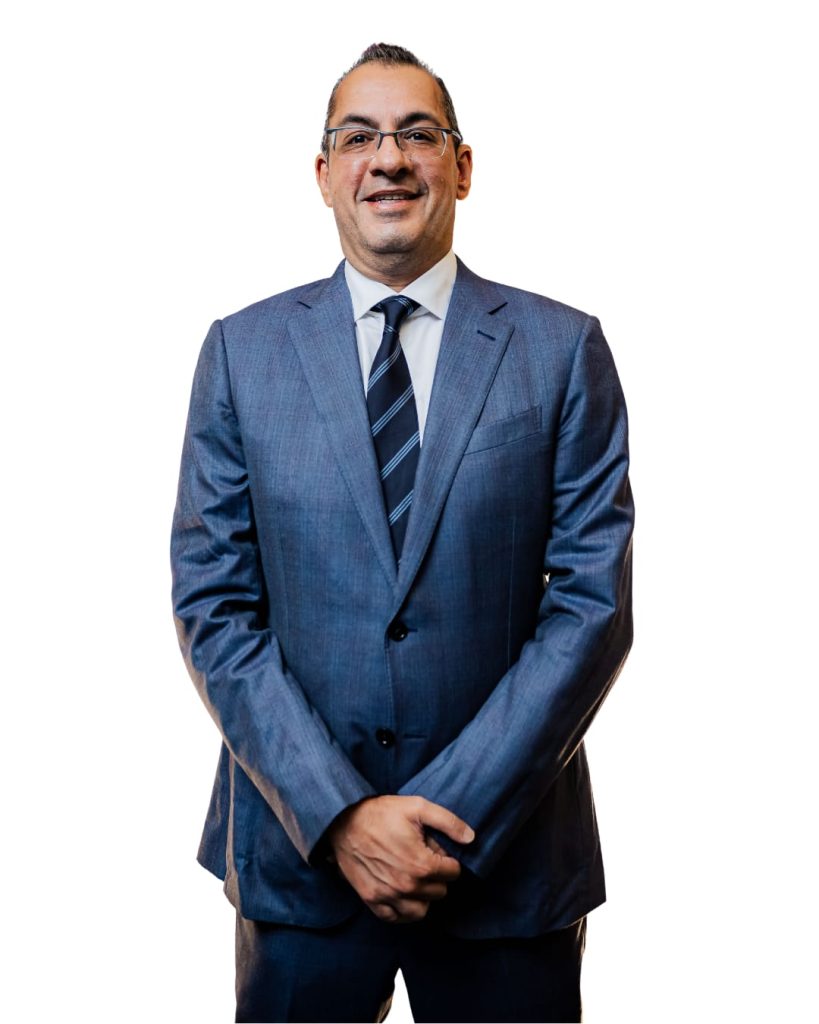
The writer, Aly S. Maherali is the Chief Executive Officer, Executive Healthcare Solutions (EHS)