
Nairobi – Renewable energy stakeholders in Kenya have urged the nation to move beyond mere energy access expansion, advocating for energy to actively drive economic growth, job creation, and improved livelihoods. They called for more robust policies, increased investment, and coordinated action to hasten the adoption of clean cooking and productive energy use nationwide.
The call was made during the Power Up Campaign forum, which convened government agencies, civil society organisations, financial institutions, private sector entities, and development partners to explore strategies for scaling renewable energy solutions and attracting the necessary investments to support this transition.

David Njugi, Chairman of the Power Up Campaign Kenya, noted that despite Kenya’s significant progress in expanding electricity access to over 79% of its population, much of this energy is predominantly used for lighting rather than powering productive economic activities.
“The objective of the campaign is to better coordinate efforts, influence policy, and catalyze private sector investments, including mobilizing the capital needed to scale clean cooking and productive uses of energy,” Njugi stated.

He further explained that productive energy use extends beyond household consumption, encompassing support for agriculture, food processing, healthcare, digital services, and other enterprises capable of creating employment opportunities and raising household incomes.
“We want energy access to go beyond lighting and improve the lives of Kenyans as a whole,” he affirmed.
Njugi announced that the Power Up Campaign has partnered with the Ministry of Energy and joined an intergovernmental committee bringing together multiple stakeholders to address policy, financing, and implementation gaps that currently hinder the growth of productive energy use and clean cooking.
According to Njugi, the coalition is working to strengthen policy frameworks that encourage financial institutions, development partners, and the private sector to increase investments, while also tracking progress in expanding productive energy use across the country.
He added that establishing a predictable investment environment would incentivise development agencies and private investors to finance renewable energy projects that yield measurable social and economic returns.
However, industry players note that financing remains a significant barrier to the widespread adoption of clean energy technologies, despite increasing market demand.
Justine Abuga, Business Lead at Ecobora, said the Kenyan company has spent over a decade manufacturing institutional solar-powered cooking systems for schools, prisons, and other large institutions, where they have observed a growing demand for alternatives to firewood and other biomass fuels.
“We have seen a significant shift from the use of biomass and firewood to solar cooking. That is the transition we are supporting as a company,” she said.

Abuga said institutional buyers continue to face difficulties in accessing affordable long-term financing, which slows adoption even as clean cooking technologies become more viable.
“One of the biggest challenges we face is access to patient capital. Customers need affordable financing for clean energy solutions such as solar-powered stoves,” she stated.
He says that climate finance and other innovative financial instruments could bridge existing funding gaps and accelerate the deployment of clean cooking technologies across the education sector and other public institutions.
Emphasising the scale of the opportunity, Abuga noted that schools across sub-Saharan Africa consume approximately 7.5 million metric tonnes of firewood annually to prepare meals, representing a substantial market for renewable energy solutions. She added that increasing support from development partners, non-governmental organisations, and small and medium-sized enterprises demonstrates growing confidence in clean cooking as a viable investment sector.
For entrepreneurs working directly with communities, policy support and financing remain crucial for expanding renewable energy businesses while delivering broader social benefits.
Christine Atego, Chief Executive Officer and Founder of Sunken Limited, explained that her company supports both refugee and host communities in Kakuma in transitioning from traditional cooking methods to cleaner energy technologies.
“If supportive policies are in place and financial institutions provide patient financing, businesses like ours will be able to thrive, especially in manufacturing,” she said.
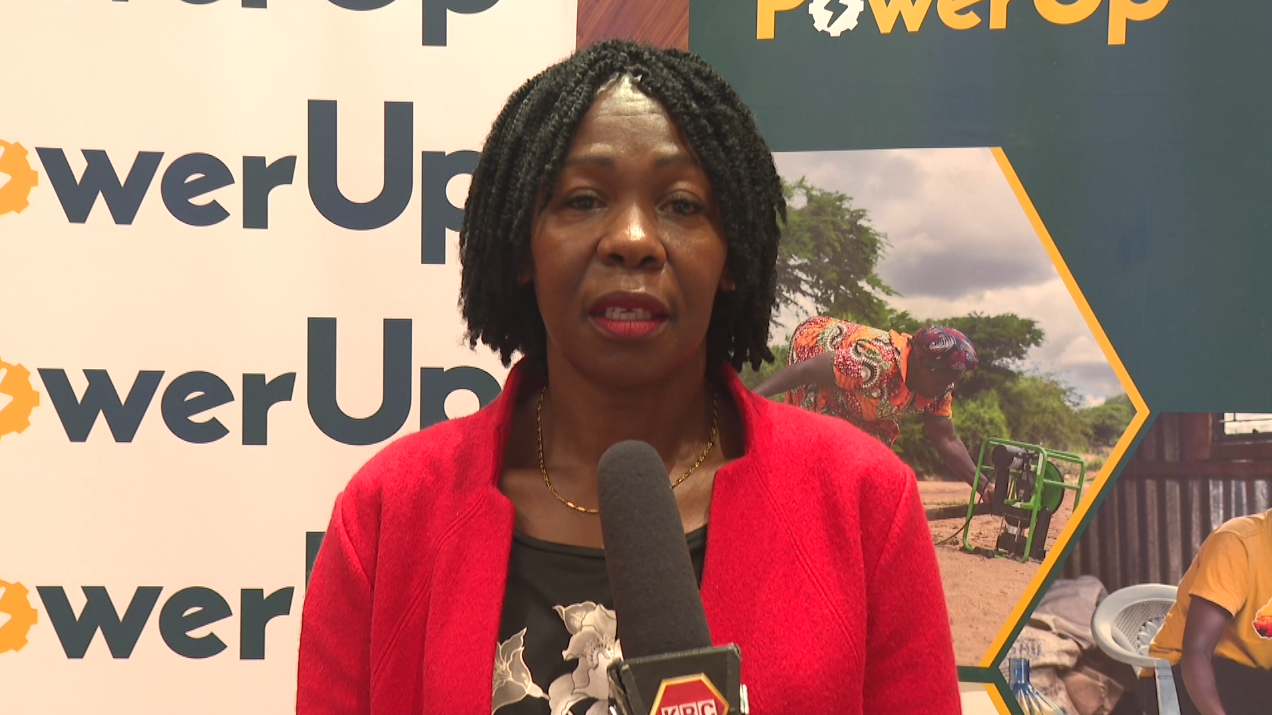
Atego stressed that stronger partnerships between government, financiers, and private enterprises would enable local manufacturers to create jobs while contributing to Kenya’s climate and economic development goals. She further emphasised that clean cooking offers benefits beyond environmental conservation, by improving public health and empowering women economically.
“Clean cooking has a significant impact on the health of women and children by reducing exposure to harmful smoke. It also saves women time, allowing them to engage in income-generating activities and contribute more effectively to the economy,” she explained.
Stakeholders at the forum concurred that achieving universal access to clean cooking and productive energy will require sustained collaboration among government, investors, manufacturers, and development partners, alongside policies that reduce investment risks and improve access to affordable financing.