Climate scientists are being urged to innovate and communicate the science better in order to build resilience to the impacts of climate change.
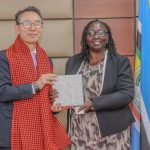
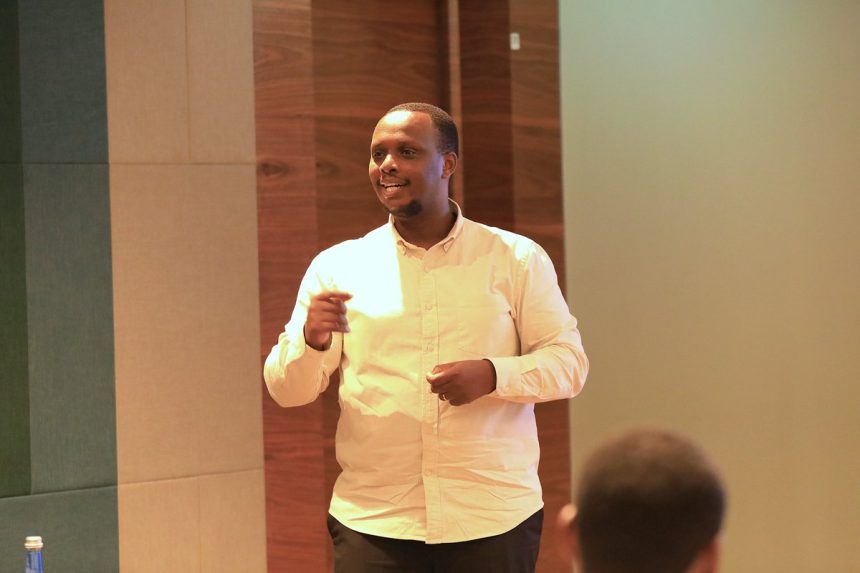
Speaking at the opening of the 74th Greater Horn of Africa Climate Outlook Forum in Kigali, Rwandan Permanent Secretary for Environment Fidèle Bingwa noted the language used by the climate scientists when providing the seasonal forecast ought to be effective.

“Timely communication of climate forecasts enables anticipatory action and early preparedness and for our governments to make sure that we are building the resilience that is needed,” he said.
He said the theme of GHACOF 74, “Harnessing climate services for early action and resilience in the greater Horn of Africa in the face of a strong El Nino” is appropriate as the region is anticipating above average rainfall during the short rains season of October to December.
“I would add that with the current climate change realities, there is a lot of work that we have to do for our communities, for our countries, so that we can build resilience to climate change. We are in a region of the planet that suffers a lot from the consequences of climate change,” said Bingwa.
He urged climate scientists to provide actionable information that will help in resilient livelihoods and resilient economies.
“You are here to see how you’re going to present information to your countries, to your communities,” he said.
“So the challenge is, how do we make this better? How do we make this more streamlined? How do we make sure that the people we are giving the information to know how to react to it, know how to build their resilience,” he added.
The Permanent Secretary called upon forecasters to provide information that communities can utilise to make their lives better.
“You are not just informing communities of an upcoming heavy rainfall event, but you are also equipping them with the technical know-how necessary for them to know how to react to it,” said Bingwa.