When we speak about China’s governance, the conversation often begins in Beijing, with national policies, major institutions and political leadership. But to truly understand how China governs, one has to look beyond the capital and into its villages and communities.
This is where policy meets everyday life.

China’s grassroots governance is built around connecting government structures with local communities. Village committees, community organisations, local officials and volunteers help translate national priorities into practical action.
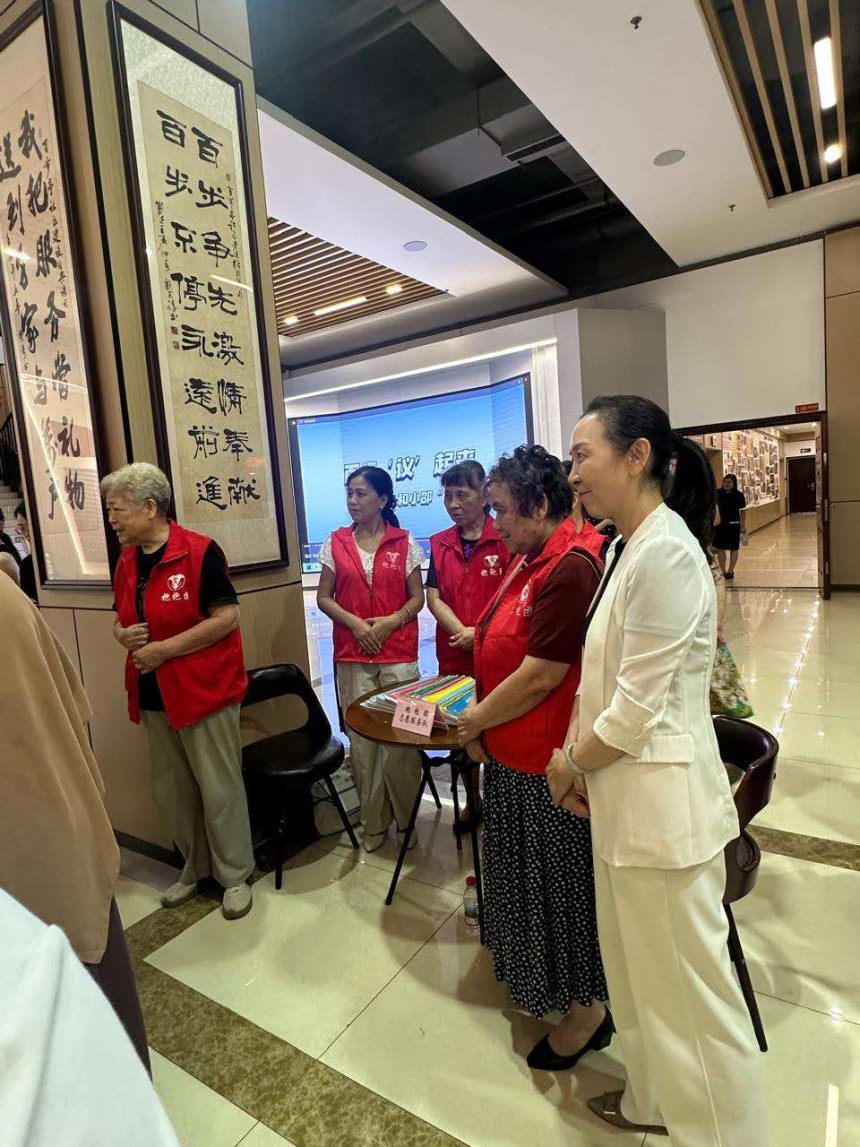
One striking example is the mobilisation of about 50,000 volunteers in grassroots initiatives. Their involvement demonstrates how ordinary citizens can contribute to community development through environmental activities, elderly care, public services, emergency response and other local initiatives.
The idea is simple. Government cannot solve every community challenge alone. Effective governance also requires people to participate.
China’s rural communities offer a particularly interesting perspective. National priorities such as rural revitalisation, agricultural modernisation and poverty reduction have to be translated into tangible outcomes. Better roads, improved public facilities, stronger agricultural production, digital services, tourism and new sources of income are some of the ways development reaches the grassroots.
Technology is also changing how communities interact with government and markets. Digital platforms are creating new opportunities for farmers, improving access to information and making some public services more accessible.
For Africa, China’s experience raises important questions. How can local institutions be strengthened? How can citizens become active partners in development? How can technology bring government services closer to communities? And how can national policies be implemented consistently at the local level?
China’s governance model cannot simply be transplanted into Africa. Every country has its own history, institutions and realities. But there are valuable lessons in the emphasis on grassroots structures, community participation, technology and implementation.
Ultimately, governance is not measured only by what is announced in national capitals.
It is measured by what people experience in their villages, neighbourhoods and communities.
From Beijing to the village, China’s grassroots experience demonstrates one fundamental principle: development may be planned at the top, but it is experienced at the grassroots.