By Rick Ogollah
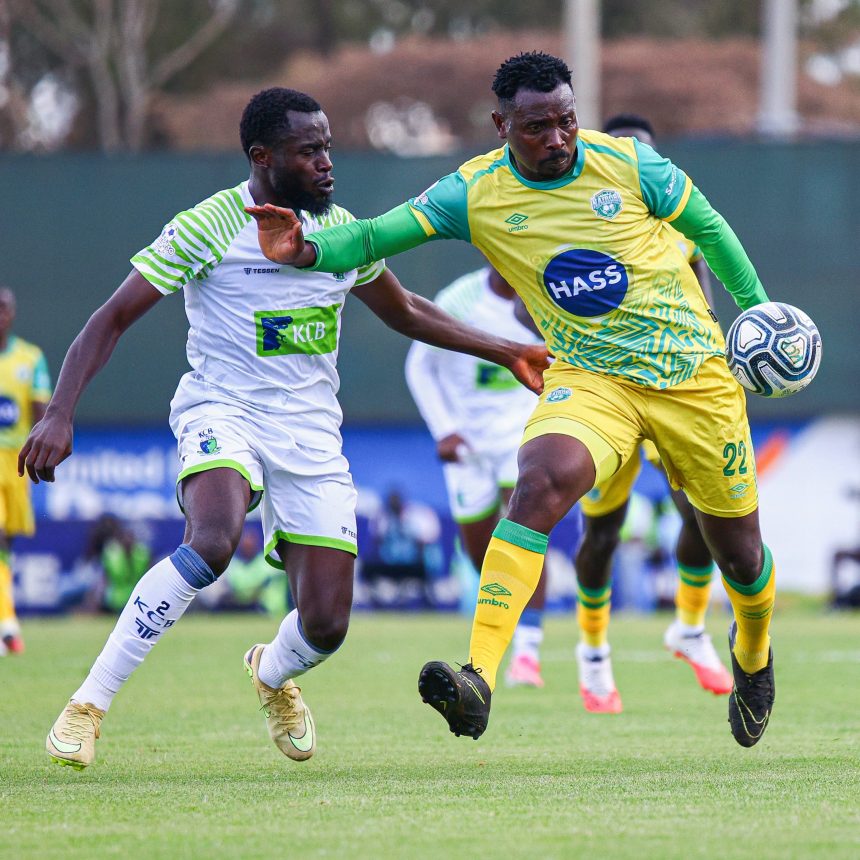
On Saturday 22nd August 2026 when Kenyan football fans should have been heading to stadiums to watch the opening matches of the new Premier League season, the terraces were quiet.

There were no opening-day rivalries, no roar of supporters, and no players competing for the first points of the 2026/27 campaign.
Instead, Kenyan football found itself back in the courtroom.
The Football Kenya Federation (FKF) postponed the Premier League’s scheduled September 19 kickoff after a series of court orders arising from disputes over the composition of the league and promotion and relegation.
At the heart of the latest standoff is Kariobangi Sharks, whose relegation from the top flight has triggered a legal battle that has now become much bigger than one club’s fight for survival.
The Murang’a High Court issued a temporary injunction stopping the FKF from proceeding with the new season until a promotion-relegation playoff involving Kariobangi Sharks and Mombasa United is conducted.
Another order from the Kiambu High Court directed the FKF to provisionally include Mombasa United as the 18th team.
The competing orders left the federation unable to proceed with the scheduled fixtures.
A national team without a domestic shop window
Kenya is less than nine months away from the 2027 Africa Cup of Nations, which will be jointly hosted by Kenya, Uganda, and Tanzania from June 19 to July 17, 2027. CAF says the three host nations have automatic places at the finals.
For Harambee Stars coach Benni McCarthy, the preparation process has already begun.
McCarthy’s latest 24-man squad for Kenya’s opening AFCON 2027 qualifiers against Eritrea and Guinea includes players based both locally and abroad.
CAF describes the qualifying matches as an important opportunity for the coach to build and assess his team ahead of the finals.
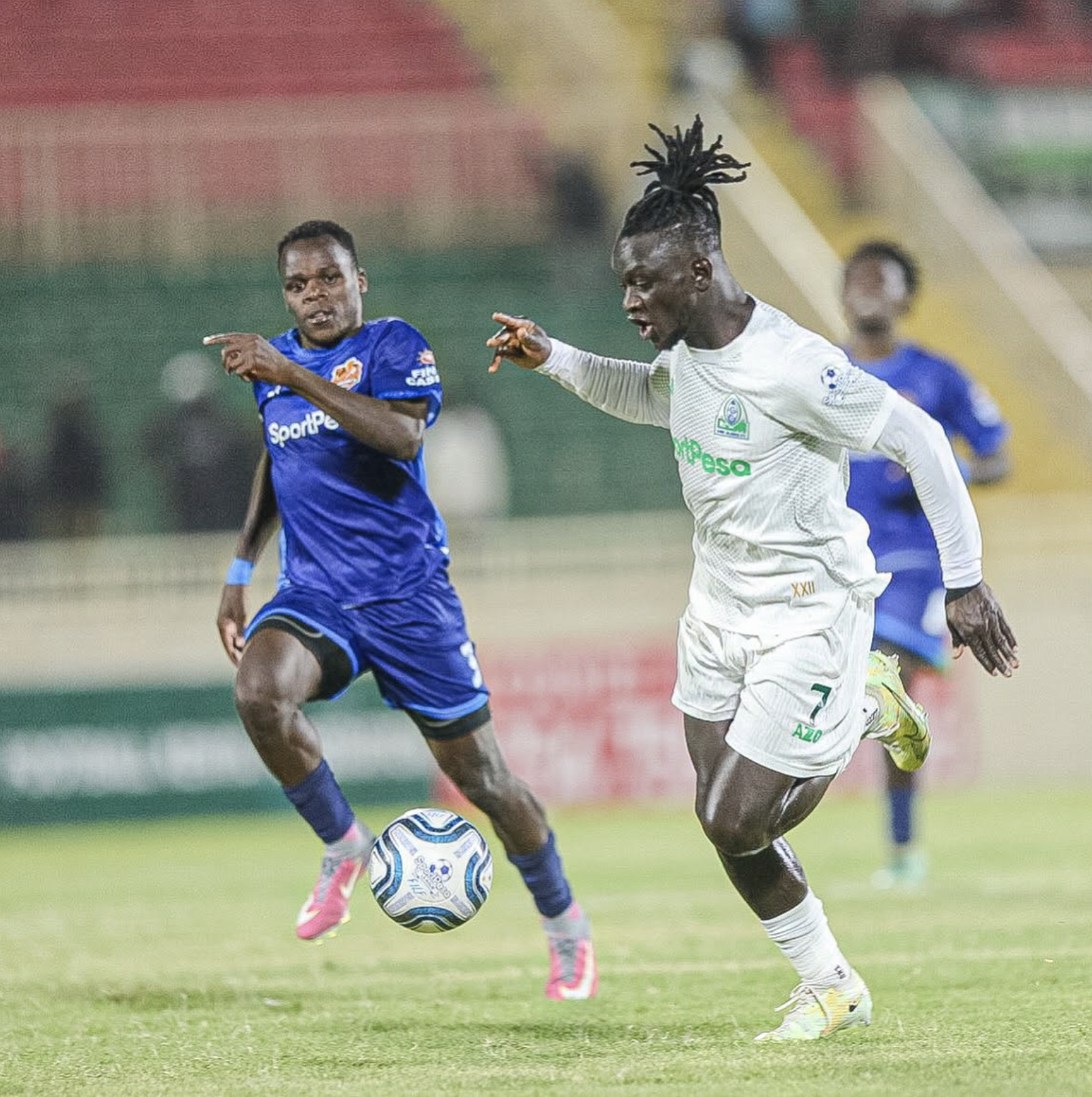
But there is another football laboratory that McCarthy needs — the Kenyan Premier League.
A functioning domestic league provides a continuous stream of competitive matches through which coaches can identify emerging talent, monitor established players, assess form, and observe combinations under pressure.
When that league is frozen, that shop window is also closed.
The question, therefore, is not simply when the Kariobangi Sharks will play Mombasa United or when the FKF will publish another fixture.
The bigger question is: how much competitive football will Kenyan players get before Harambee Stars walk onto the AFCON 2027 stage?
The cost of uncertainty
The latest dispute has also created uncertainty for clubs and players who had prepared for the season.
Players train, clubs spend money, and sponsors commit resources as supporters make plans, but fixtures are put on hold.
Kenyan footballers have already voiced frustration over the continuing courtroom battles, while the uncertainty has raised concerns about the effect on players, clubs, and supporters.
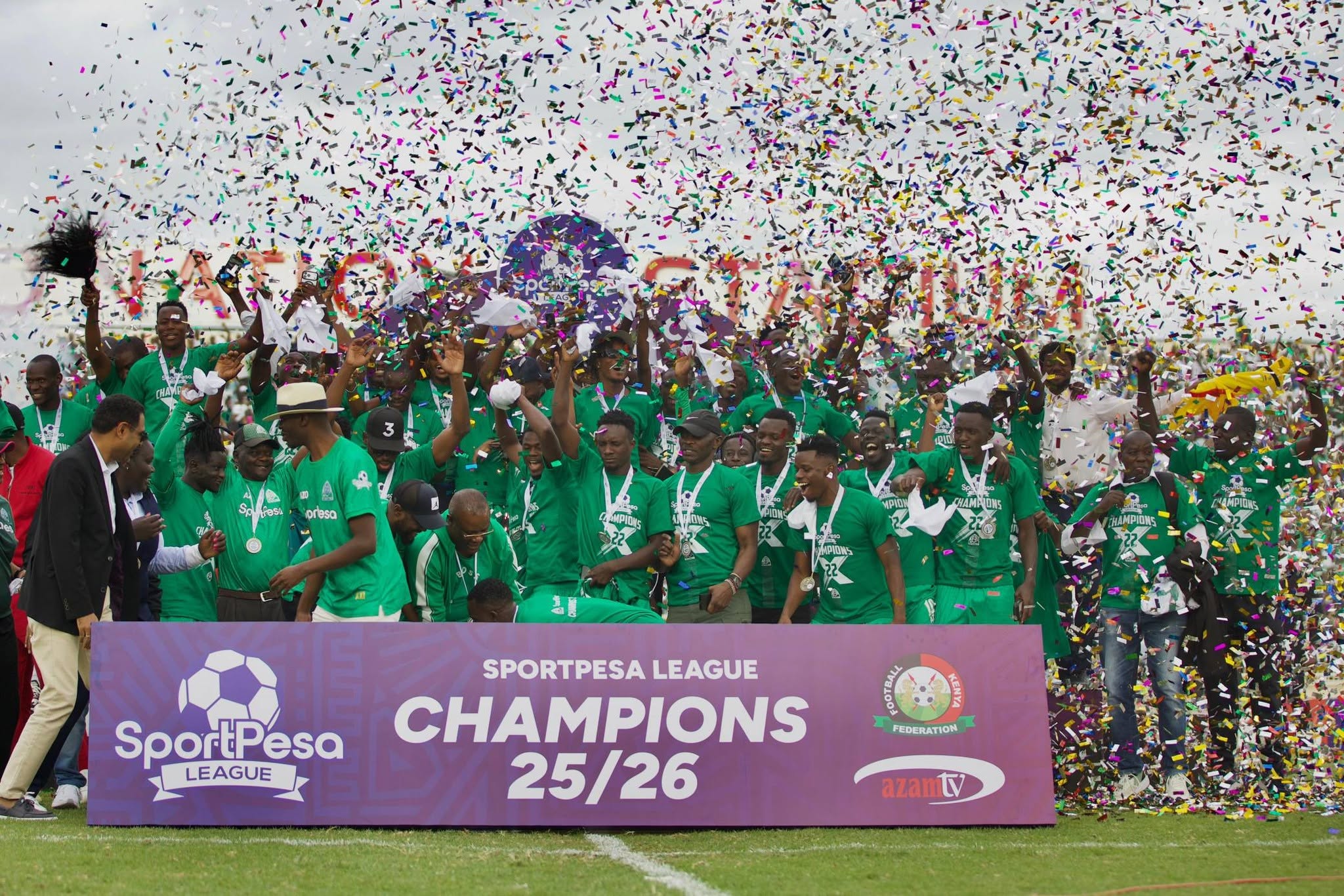
“We are losing valuable football time. The players need competitive matches, not endless uncertainty,” says [Marcos Khaemba], a Nairobi-based football supporter.
Another supporter, [Emmanuel Makokha—AFC Leopards fan], sees the situation as a raw deal for fans.
“We pay to watch football and support our clubs. Instead, we are being forced to follow court cases. The fans are the biggest losers,” he says.
These quotations should be replaced with interviews conducted by the reporter before publication.
The financial consequences could also become serious if the impasse stretches on. A prolonged disruption could affect match-day revenue, commercial commitments, and sponsorship arrangements, while clubs may struggle to maintain expensive squads without a predictable competitive calendar.
The bigger AFCON picture
The 2027 tournament will be the first AFCON jointly hosted by three countries and will return the continental championship to East Africa for the first time since Ethiopia hosted it in 1976.
CAF President Dr.Patrice Motsepe recently inspected Kenya’s tournament infrastructure, including the new 60,000-capacity Talanta Stadium.
That means the country is preparing not merely to participate, but to welcome Africa to its own backyard.
For Harambee Stars, however, a home tournament comes with high expectations.
McCarthy can scout players playing abroad; he can assess those already in the national setup, but the domestic league remains an important pathway for players hoping to force their way into the national team.
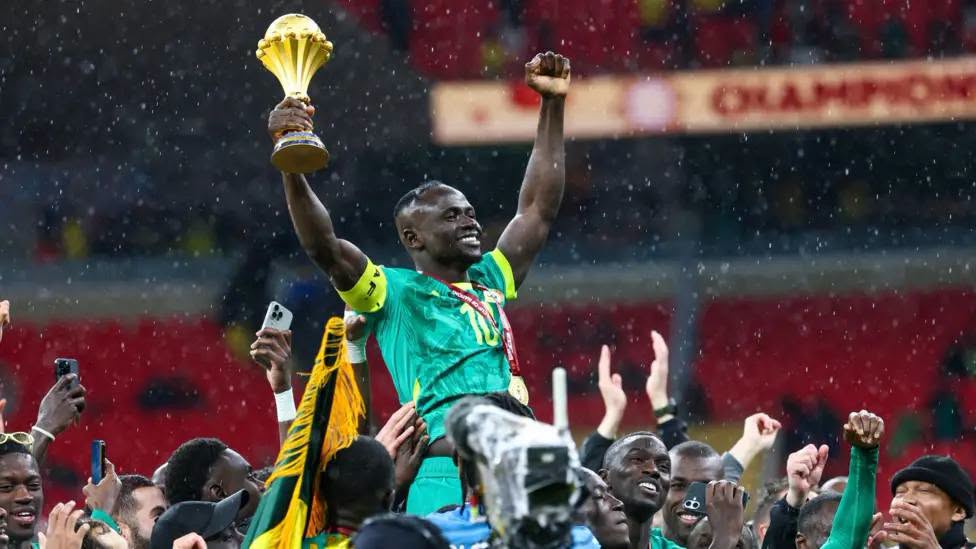
If the Premier League eventually resumes after weeks of inactivity, clubs and players may have to compress an entire season into an already crowded calendar, meaning more fatigue, more injuries, and inadequate preparation for those who will be called up for Harambee Stars for next year’s AFCON.
That could mean fewer matches, less time for coaches to develop combinations, and less opportunity for emerging players to make a case for national-team selection.
It would be premature to conclude that the league dispute will determine Harambee Stars’ performance at AFCON 2027.
But it is equally difficult to ignore the connection between a healthy domestic football system and a well-prepared national team.
Beyond Kariobangi Sharks
The Kariobangi Sharks dispute is fundamentally about promotion and relegation rules and the rights of the parties involved.
Those questions will ultimately be determined through the appropriate legal and football-governance processes.
But Kenyan football cannot afford for the broader game to become collateral damage.
The longer the impasse lasts, the more difficult it becomes for clubs to plan and for players to maintain competitive momentum.
The supporters are waiting, the clubs are waiting, and players are waiting too.
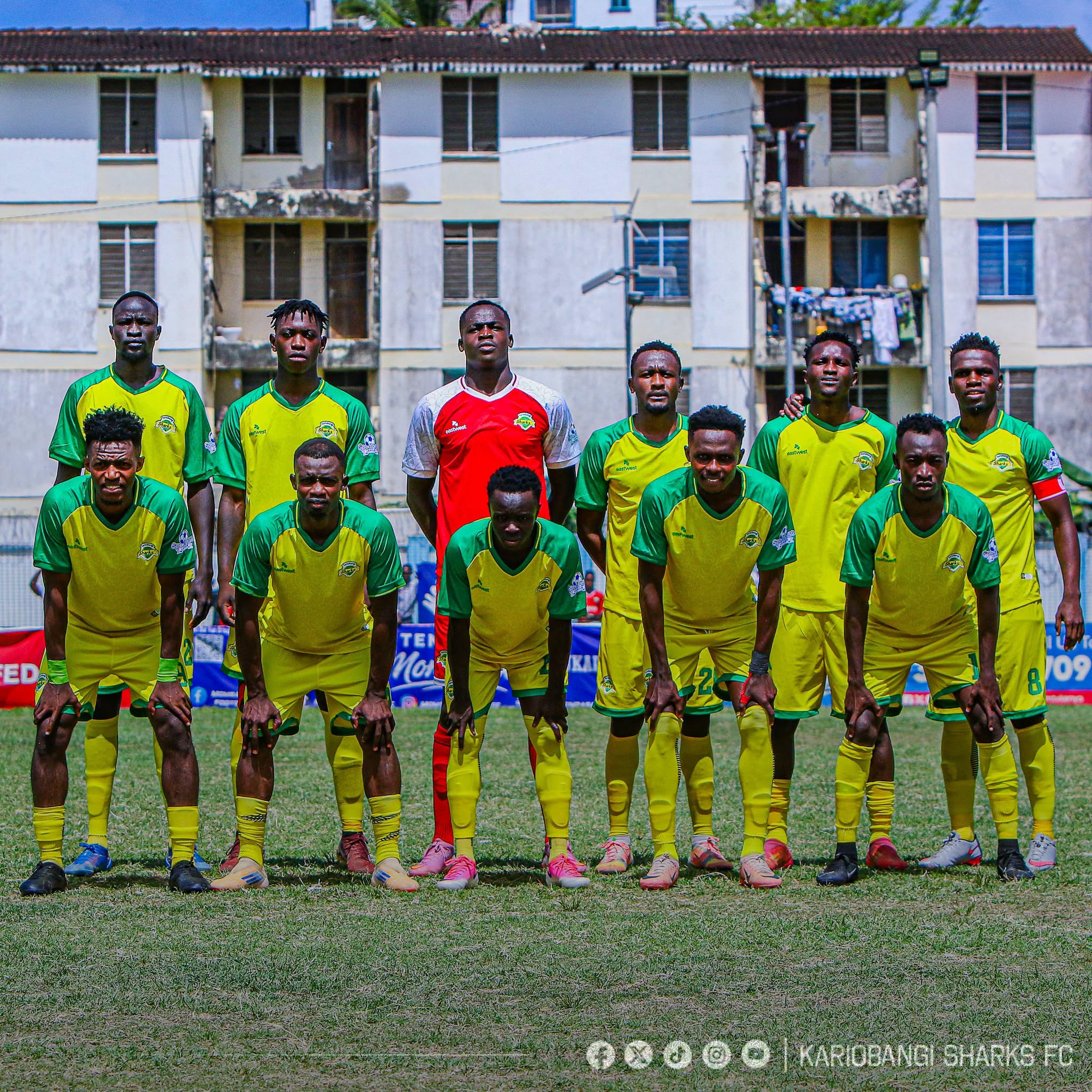
And somewhere in the background, the AFCON 2027 clock continues to tick.
When the floodlights eventually come on at Talanta Stadium and thousands of Kenyans fill the stands, the country will want to see a Harambee Stars side that has had enough time to prepare, compete, and gel.
The stadium may be ready, fans may be ready, and the tournament may be ready, but the big question is whether Kenyan football will have given its national team enough time to prepare for AFCON.