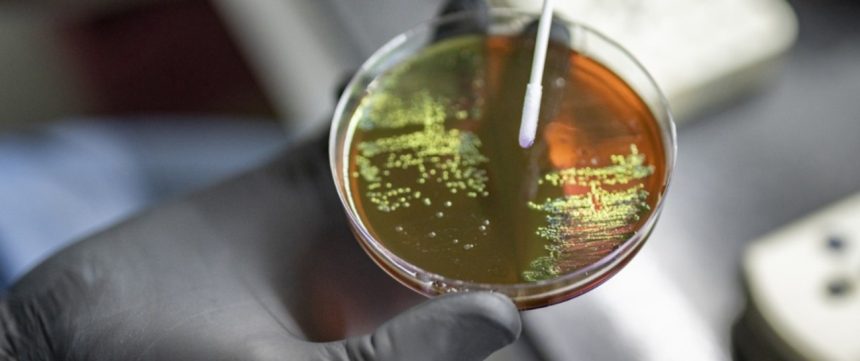
Gaps in diagnostic testing, treatment and funding are undermining global efforts to combat antimicrobial resistance (AMR), leaving millions of patients vulnerable to drug resistant infections, the World Health Organisation (WHO) has warned.
In a statement, WHO Director-General, Dr Tedros Ghebreyesus said antimicrobial resistance is making common infections increasingly difficult to treat, while raising the risks associated with surgery, childbirth and cancer care.

“When medicines lose their effectiveness against resistant microbes, common infections become harder to treat, while surgery, childbirth and cancer care become riskier,” he said, noting that, “In 2023, one in six laboratory-confirmed bacterial infections worldwide were resistant to antibiotics.”
The warning comes as the world prepares to mark World AMR Awareness Week from November 18 to 24, under the theme “One Health, one action: Prevent AMR now.”
World AMR Awareness Week is a global campaign to raise awareness of AMR and promote action to prevent the emergence and spread of drug-resistant infections.
Under the 2026 theme, “One Health, one action: Prevent AMR now”, the campaign highlights the interconnected health of people, animals, plants and the environment, and calls on everyone from governments to farmers, veterinarians, environmental experts and communities to take action to prevent AMR.
According to the new survey, 173 countries report having developed plans to address AMR, more than double the 79 countries that reported doing so in 2017.
WHO said having a plan does not necessarily mean patients are protected noting only 22% of countries report having both the necessary funding and full implementation of national AMR action plans.
This leaves major gaps worldwide along the pathway of care, from preventing infections to diagnosing and treating patients, as well as detecting resistance trends and taking control measures.
“Most countries now have national plans to address Antimicrobial Resistance, but plans alone don’t save lives. We call on all countries to turn plans into action by investing in infection prevention, surveillance, access to essential antimicrobials and quality diagnostics. Every infection prevented and every appropriate treatment helps preserve these lifesaving medicines,” he said.
The findings are included in the latest Tracking Antimicrobial Resistance Country Self-assessment Survey (TrACSS), completed by 183 countries (94% of Member States) in 2026.
Diagnostic capacity falls short where patients need it most
Access to diagnostic testing helps ensure patients receive the right treatment at the right time. However, such testing is inadequate in most countries. Only 36% of countries report having a national reference laboratory equipped to test the selected bacteria and fungi. This falls far short of the global target of 80% of countries having comprehensive bacterial and fungal resistance testing capacity by 2030.
Inadequate access to diagnostic tests increases the risk of patients being prescribed antibiotics that are ineffective or unnecessary. Resistant infections and outbreaks may go undetected, while gaps in surveillance data limit understanding of local resistance patterns.
The gaps extend further to treatment guidelines and surveillance. Only 63% of countries report having guidelines on appropriate use of antimicrobials, and just over half report having surveillance systems to monitor national antibiotic use and track levels of AMR.
To help countries close the gaps, WHO released two new practical tools as part of the AMR Diagnostic Initiative. The tools provide a prioritized catalogue of diagnostic tests and step-by-step methods to help clinical laboratories diagnose bacterial and fungal infections.