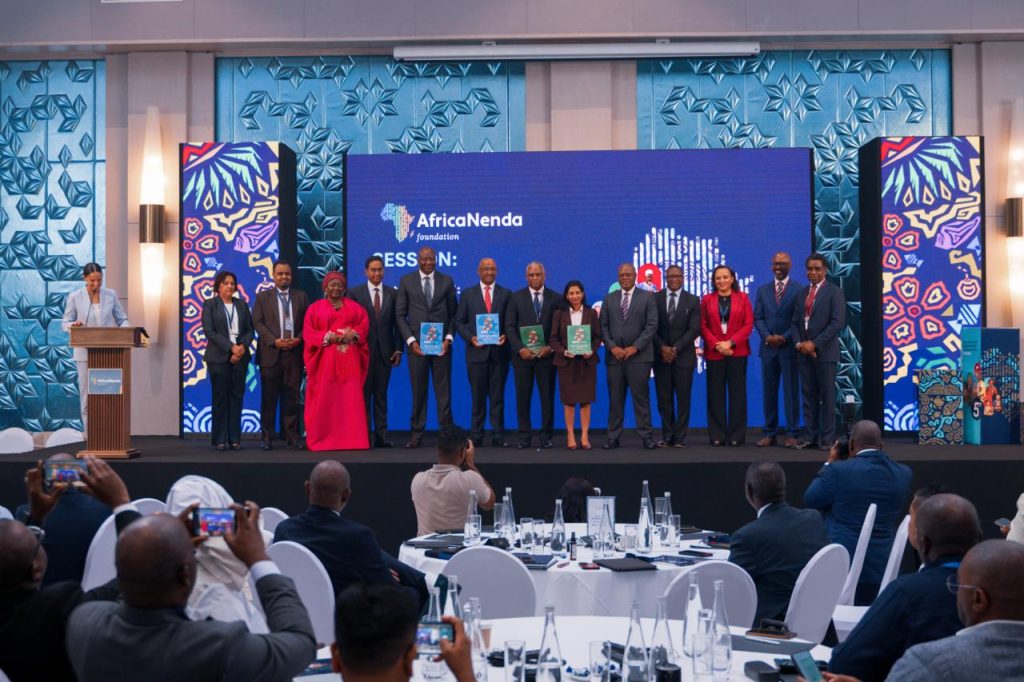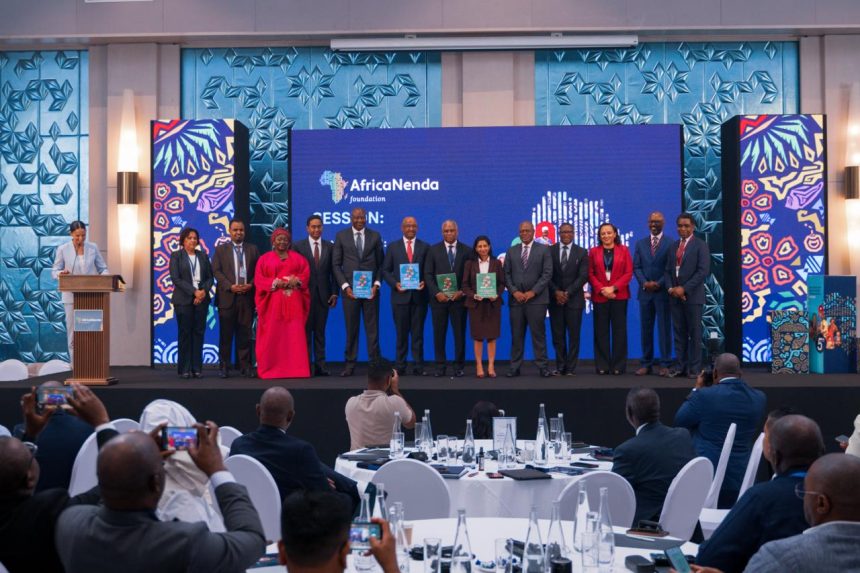
Kenya is lagging behind some of Africa’s leading economies in the development of inclusive instant payment systems, with governance gaps, limited interoperability and consumer protection concerns emerging as key obstacles.
The latest State of Inclusive Instant Payment Systems in Africa (SIIPS) 2026 report by AfricaNenda Foundation, the World Bank Group and the United Nations Economic Commission for Africa ranks Kenya’s PesaLink and Kenya mobile money at the basic level of its inclusivity spectrum.

This places Kenya behind Mauritius and Tanzania, whose instant payment systems have attained Progressed status, while Nigeria’s NIBSS Instant Payment is the continent’s only mature system.
PesaLink has nevertheless recorded progress, moving from unranked to basic after introducing person-to-business payments.
However, the report identifies gaps in non-bank representation in scheme governance and the Central Bank of Kenya’s direct involvement in scheme-level decision-making.
AfricaNenda notes that these observations were pending confirmation or revision at the time of publication.
The findings come as Africa’s instant payment ecosystem expands rapidly. The continent’s 39 live systems processed 71.4 billion transactions worth 1.8 trillion US dollars in 2025, almost three times the volume recorded in 2021.
But wider access has not guaranteed public confidence. A survey of 1,403 digital payment users across 15 markets found that 55 per cent still use cash for about half of their transactions.
More than half had experienced payment problems, including delays and transfers to the wrong recipient.
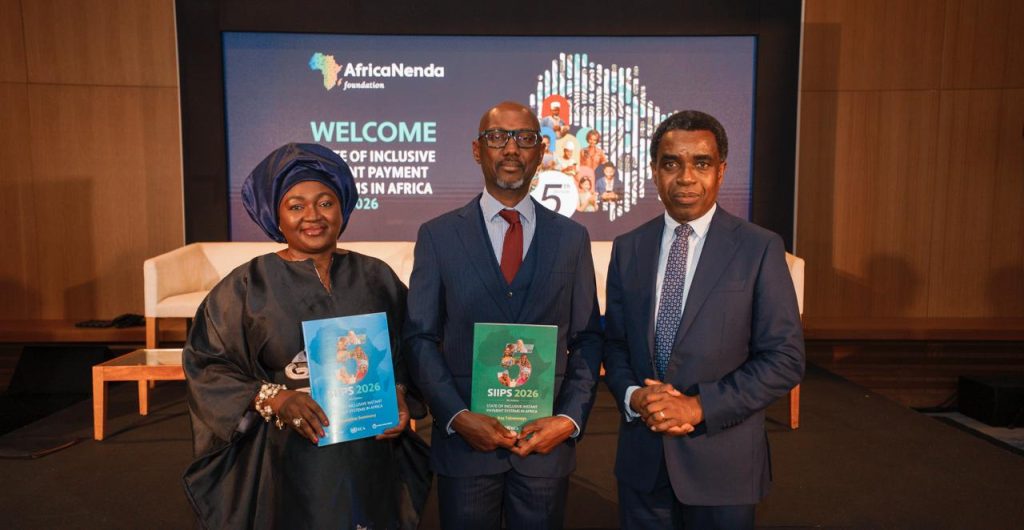
L-R, Sabine F. Mensah (Deputy CEO AfricaNenda Foundation), Robert Ochola (CEO AfricaNenda Foundation) and Akinwale Goodluck (Deputy CEO AfricaNenda Foundation)
AfricaNenda Foundation Chief Executive Officer, Dr Robert Ochola, says the next phase must focus on affordability, safety and sustainability.
“Africa has built inclusive instant payment infrastructure at remarkable speed, drawing on the talent of its own software engineers and designers,” Ochola said. “The next five years must be about making these systems affordable to use, safe and sustainable to run.”
The Governor of the Bank of Mauritius, Dr Priscilla Muthoora Thakoor, has similarly stressed that the value of modern payment systems goes beyond transaction speed.
In an address on payment systems and regional connectivity, she said: “The real test of a modern payment system is therefore not speed alone, but trust, resilience, transparency, and connectivity.”
For Kenya, the report points to an urgent need to strengthen governance, widen participation by licensed payment providers and improve interoperability across the financial ecosystem.
Stakeholders are calling on the Central Bank of Kenya and payment industry players to address these gaps and accelerate reforms that will connect payment platforms, strengthen consumer protection and make digital transactions more affordable.
The objective is to move Kenya beyond successful individual payment platforms towards a fully integrated system that supports consumers, businesses and cross-border trade.