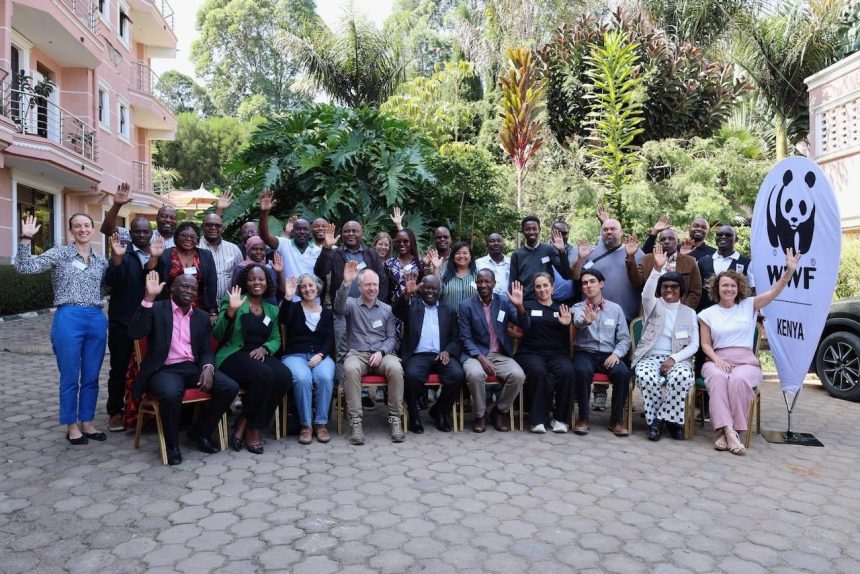
Agroecology experts and conservation practitioners from across Central, Eastern and Southern Africa have converged in Bomet, Kenya, for a regional exchange meeting aimed at advancing sustainable agriculture and biodiversity conservation.
The three-day forum, jointly organised by WWF and the Biovision Foundation under the Agroecology for Life Initiative, seeks to strengthen the integration of agroecology into conservation strategies while promoting sustainable food systems across the continent.

The Africa Agroecology Regional Exchange, themed “Agroecology for Biodiversity and Livelihoods: Building Capacity and Partnerships in Africa,” has brought together WWF country office staff and leading agroecology organisations from Cameroon, the Central African Republic, the Democratic Republic of the Congo, Gabon, Kenya, Madagascar, South Africa, Tanzania, Uganda, Zambia and Zimbabwe.
Participants will explore how agroecological approaches and nature-positive farming practices can help address biodiversity loss, enhance climate resilience, and improve food security and livelihoods for communities across Africa.
To strengthen learning, collaboration and knowledge sharing on agroecology and biodiversity conservation, they will undertake field visits to project sites to build a shared understanding of agroecology and its alignment with global frameworks such as the Kunming–Montreal Global Biodiversity Framework (Target 10), as well as nature-positive production systems and regenerative agriculture practices.
This will present real-world examples from African landscapes, examine how agroecology can strengthen country programmes and landscape strategies, and identify concrete pathways for collaboration between conservation and agroecology actors.
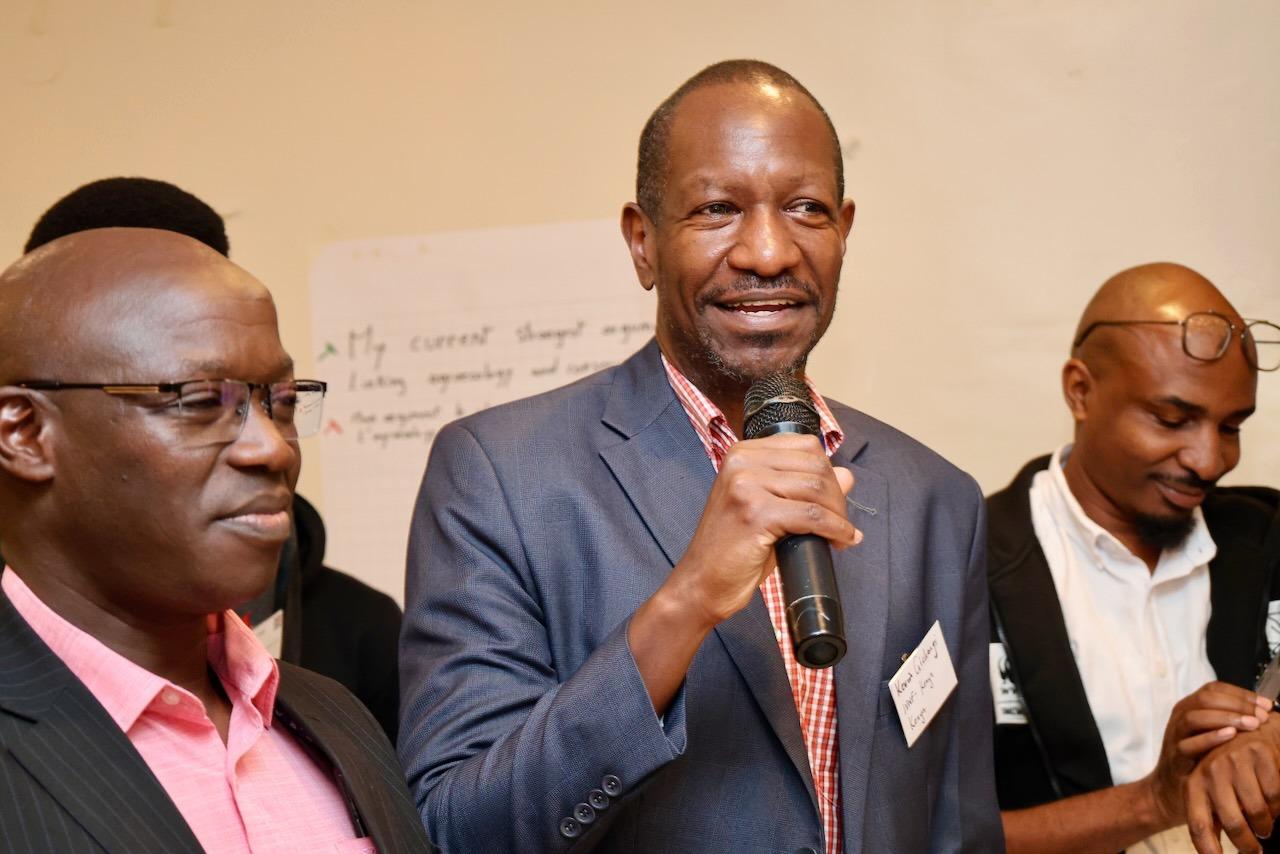
Speaking during the official opening of the conference on behalf of the CEO of WWF-Kenya, Kevin Gichangi noted that Africa continues to face interconnected challenges including climate change, biodiversity loss, land degradation, and food insecurity. He emphasised that addressing these challenges requires integrated solutions that support both people and nature.
He highlighted agroecology as a practical and transformative approach that enables communities to produce food while restoring ecosystems, improving livelihoods, and strengthening resilience to climate change. He further noted that WWF recognises agroecology as a key conservation strategy that contributes to nature-positive production systems and supports global biodiversity and climate goals.
He urged participants to take advantage of the workshop as a platform for learning, networking, and sharing experiences from different landscapes and countries. At the same time, he reaffirmed WWF-Kenya’s commitment to supporting agroecological approaches and promoting sustainable food systems across Africa.
“Agroecology presents us with a unique opportunity to produce food in ways that restore nature, strengthen communities, and build resilience to climate change. By working together, we can create food systems that benefit both people and biodiversity across Africa.”
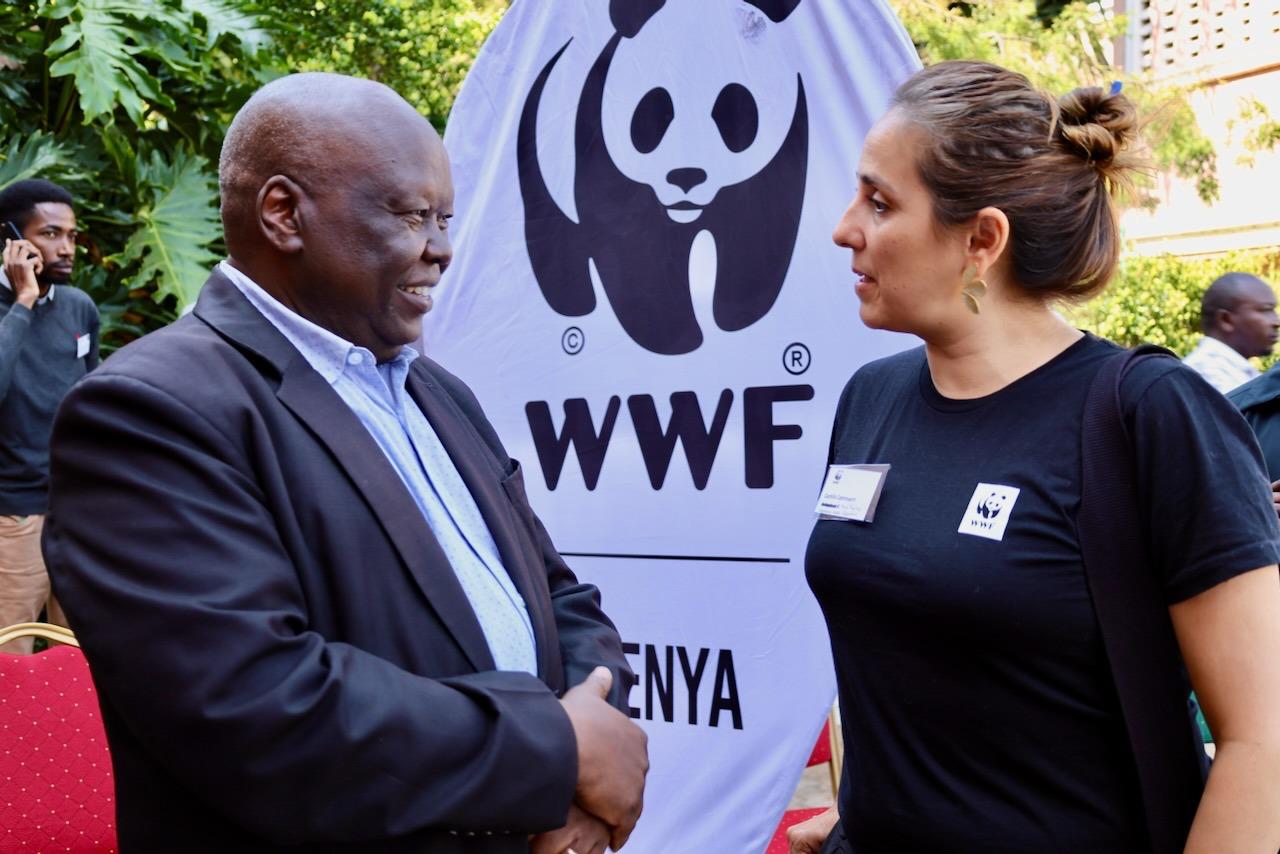
The WWF Food and Agriculture Practice team emphasised the importance of bringing together conservation practitioners and food systems experts to explore practical solutions to challenges affecting agriculture and biodiversity across Africa.
Deputy Leader of WWF’s Global Food Practice Karen Luz described agroecology as an effective pathway for addressing food security while conserving ecosystems, restoring degraded landscapes, and improving livelihoods. Participants were encouraged to openly share experiences, successes, lessons learned, and challenges throughout the exchange.
The team further highlighted the importance of partnerships, financing mechanisms, policy support, and knowledge exchange in scaling agroecological approaches across the continent
The Biovision Foundation observed that climate change, biodiversity loss, and food insecurity demonstrate that agriculture and conservation cannot be addressed independently. Drawing on more than 25 years of Biovision’s experience supporting agroecological transitions across Africa, she highlighted numerous examples where agroecology has improved livelihoods, enhanced resilience, and supported biodiversity conservation.
Bomet Deputy Governor Shadrack David Rotich, in his opening remarks, welcomed participants while highlighting the critical role county governments play in implementing policies and legislation related to agriculture, environmental management, and natural resource conservation.
He noted that agroecology aligns closely with county development priorities and sustainable land-use planning objectives.
The sessions by the experts established a strong foundation for the Africa Agroecology Regional Exchange. Speakers consistently highlighted agroecology as a practical solution for addressing climate change, biodiversity loss, land degradation, and food insecurity while improving livelihoods and strengthening ecosystem resilience.