Plans to withdraw donor funding for healthcare programmes targeting 21 neglected tropical diseases (NTDs) have put the future of interventions in several counties at risk.
The affected counties include Trans Nzoia, Kakamega, Vihiga and Bungoma.
The freeze follows a suspension of aid from the UK and US governments, which had been channelled through the End Fund to support NTD interventions.
The End Fund has been working with implementing partners including Amref Health Africa, the African Institute for Health and Development (AIHD) and WASH Alliance Kenya, in collaboration with the Ministry of Health and the National Public Health Institute.
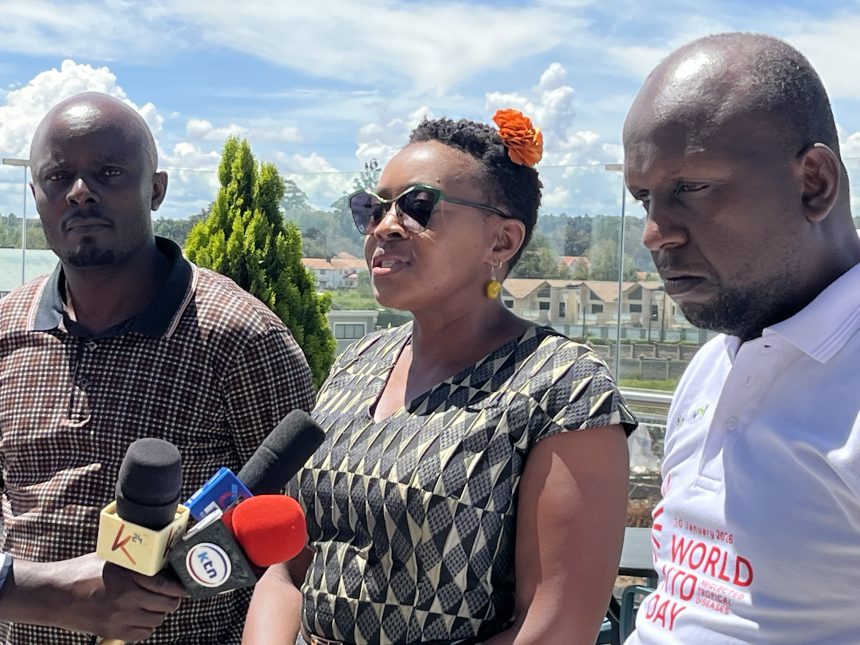
End Fund head of programmes Irene Chami said donor support for NTD programmes will end next year.
The four counties have received about Ksh1 billion over the past four years to fund interventions targeting the diseases, which remain highly prevalent in the region.
“We now have to explore how to mobilise local resources as we transition, having worked with counties and communities for the last five years,” Chami said.
She added that the engagements aim to strengthen county systems and develop transition plans to ensure continuity.
Chami noted that the new approach will emphasise sustainability by integrating services into primary healthcare systems rather than relying on standalone interventions.
“As part of sustainability, we are moving from vertical treatment approaches to integrating services through community health promoters and other systems to ensure continuity beyond donor support,” she said.
Counties will also receive support to strengthen health information systems, supply chains, leadership and governance as donor funding is gradually phased out.
Amref Health Africa representative Juma Chitiavi said significant progress has been made in controlling the diseases over the past five years.
He noted that the prevalence of intestinal worms has dropped from about eight per cent to five per cent, while bilharzia cases have declined from five per cent to about one per cent.
“We are integrating these interventions into primary healthcare systems so counties can continue reaching communities effectively,” he said.
Chitiavi urged counties to allocate resources to sustain the gains, warning that without local funding and implementation, there is a risk of resurgence.
Titus Waititu, programmes manager at the National Public Health Institute, noted that Kenya has already eliminated Guinea worm and sleeping sickness.
“We are on track to eliminate five more neglected tropical diseases in affected counties,” he said.