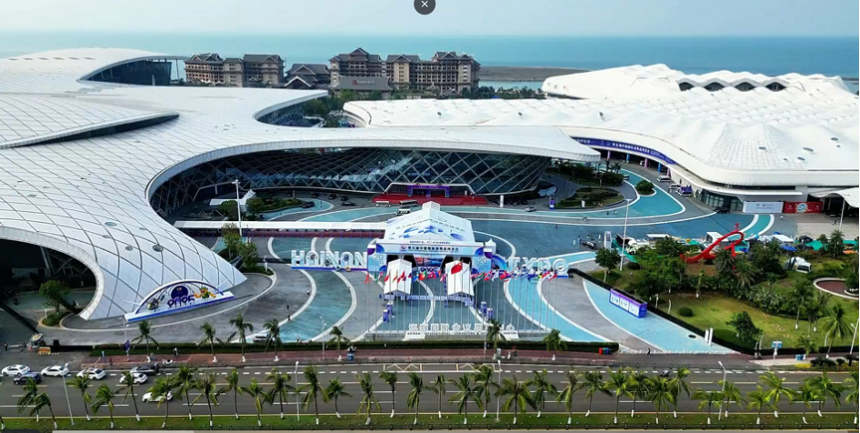
The 2026 China International Consumer Products Expo (CICPE) is being held in Hainan from April 13 to 18. It is not only an important annual event in the global consumer goods sector, but also the first major international exhibition held less than half a year after the full implementation of Hainan Free Trade Port’s island-wide special customs operation.
According to official data, this year’s CICPE has attracted more than 3,400 brands from over 60 countries and regions, with international exhibits accounting for approximately 65%. This relatively high level of international participation makes the expo an important platform for companies to better understand China’s consumer market and establish business connections.

Benefits of the Special Customs Operation: Practical Policy Changes
The Hainan Free Trade Port officially began the island-wide special customs operation at the end of 2025, along with the gradual introduction of measures such as expanded zero-tariff treatment and streamlined customs procedures. Within this framework, certain imported goods are eligible for tariff exemptions, and customs clearance processes have been further simplified.
Over the past four months, these adjustments have contributed to smoother trade and investment flows. For companies seeking to enter the Chinese market, Hainan is increasingly becoming a more structured entry point with clearer procedures and more predictable cost frameworks, while also offering additional options for regional trade cooperation.
Connectivity Effects of CICPE: Increasing African Participation
CICPE is not only a platform for showcasing consumer goods, but also provides opportunities for companies from different countries to connect directly with Chinese buyers, investors, and consumers.
In previous editions of the expo, some African exhibitors told media that the platform helped them better understand the Chinese market and build connections with potential partners. For example, at the fifth CICPE, Ivory Salmon, Chief Operating Officer of Ivory Agri Solutions from South Africa, told reporters that the expo serves as an important window for observing the Chinese market and has created opportunities for entering the market.
CICPE provides African enterprises with more direct channels to engage with the Chinese market and enhances the visibility of their products among Chinese consumers.
Three Areas of Opportunity for African Countries
Against the backdrop of Hainan’s institutional arrangements and the CICPE platform, some African countries are gaining more direct market opportunities in three main areas:
First, more direct access to the Chinese consumer market.
From coffee and cocoa products to honey and cosmetic raw materials, African companies have gained greater exposure through the expo, helping improve brand recognition and connect with potential buyers and partners.
Second, more predictable trade costs and market entry conditions.
With the implementation of tariff reduction and trade facilitation measures, some African products may enter the Chinese market through Hainan’s preferential channels at relatively lower costs, thereby improving price competitiveness.
Third, spillover effects on cultural and brand visibility.
Such international exhibitions are not only platforms for trade, but also opportunities for participating countries to showcase culture and national brands, which may contribute to longer-term market recognition and business engagement.
China to Implement Zero-Tariff Treatment for African Countries Starting in May
Building on the international engagement generated by CICPE and policy developments in Hainan, China will officially implement a zero-tariff policy starting on May 1st for imports from 53 African countries with diplomatic relations with China. This is expected to enhance the competitiveness of African goods in the Chinese market, particularly in agricultural products, light-manufactured goods, semi-processed food items, and certain industrial products.
As tariff reductions are combined with institutional arrangements under the Hainan Free Trade Port, African countries may gain more diversified and potentially more efficient channels to access the Chinese market. For China–Africa economic relations, this could further expand cooperation beyond goods trade into broader areas such as supply chains, industrial cooperation, and services.
From international exhibitions such as CICPE, to policy adjustments in Hainan, and broader trade facilitation developments, these factors together represent key observations in the evolving landscape of China–Africa economic engagement.
For African enterprises, these changes are reflected in more diversified pathways to the Chinese market and increased opportunities for business interaction across multiple platforms.
Zhao Qian is a journalist for CGTN.