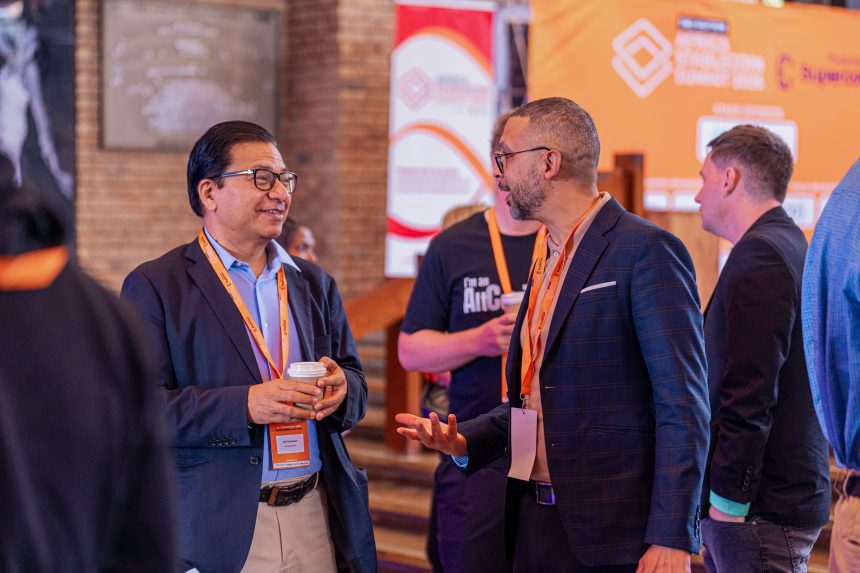
Stablecoins could become viable part of Africa’s financial system and enhance cross border trade amid push for a continental single market.
Speakers at the Africa Stablecoin Summit in Cape Town, South Africa however noted that payment connectivity, liquidity, regulatory compliance and institutional integration remain key barriers in stablecoin adoption.

For companies operating across multiple African markets, receiving and transferring money remains complicated by differences in currencies, banking systems, payment networks and settlement processes.
The emerging stablecoin industry is now seeking to address some of these bottlenecks by linking blockchain-based transactions with the financial infrastructure already used by businesses and consumers.
Nikolai Barnwell, chief executive of PawaPay, said connecting stablecoins to existing payment networks could help address the limitations of relying on blockchain settlement alone.
The challenge is particularly relevant for businesses operating across borders, where moving funds between markets can involve multiple financial institutions and payment intermediaries.
Stablecoins, which are digital tokens designed to maintain a stable value against an underlying asset such as the US dollar, have attracted interest as an alternative way of transferring and holding value.
Dollar-backed tokens have become especially prominent in Africa, where businesses and individuals may seek access to dollar-denominated value amid currency volatility and difficulties accessing international payment services.
Supercoin Managing Director Gideon Greaves said the firm is working on local-currency stablecoin infrastructure, including ZARsc, a South African rand-backed stablecoin.
The initiative reflect efforts to extend the stablecoin model beyond dollar-denominated transactions and develop digital financial products linked to African currencies.
According to DefiLlama global stablecoin market capitalisation stood at about $290 billion, up from approximately $5 billion in 2020, with dollar-denominated stablecoins accounting for about 99% of the market.
Participants at the summit examined issues including correspondent banking, corporate treasury, custody, reserve assurance, taxation and financial reporting, suggesting that institutional adoption will require more than technological integration.