As Africa accelerates its transition towards digital financial services, Mauritius is leveraging interoperable instant payment systems to support trade, financial inclusion and economic integration.
The country’s Mauritius Central Automated Switch (MauCAS), operated by the Bank of Mauritius, has recorded significant growth, processing 19.4 million transactions valued at 63 billion Mauritian rupees in the 2024/25 financial year. Transaction volumes increased by 95.4 per cent compared with the previous financial year.

The growth is a result of deliberate interventions, including the removal of charges on person-to-person transfers, increased transaction limits and efforts to connect banks and non-bank payment service providers through a common national infrastructure.
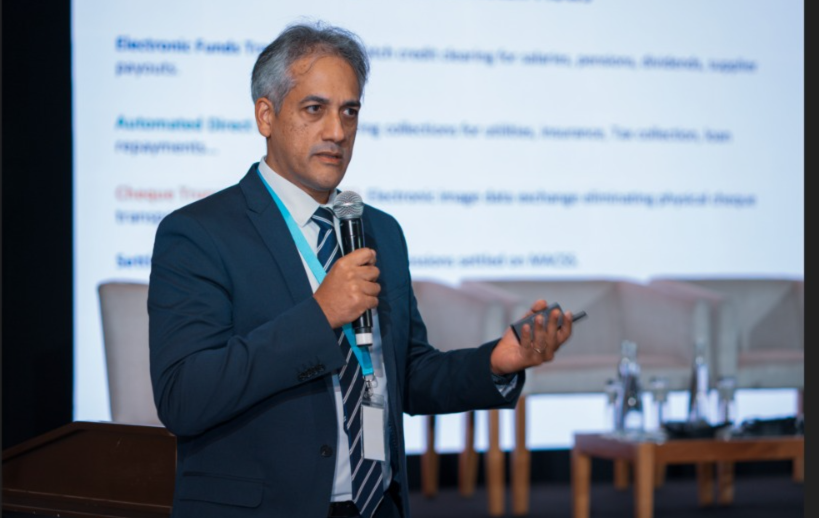
According to Director of Digital Innovation and Payment Systems at the Bank of Mauritius, Arnaud Bazerque Bacha, efficient cross-border trade in Africa depends on the ability of countries to establish seamless payment systems.
“Africa cannot trade efficiently if Africans cannot pay each other efficiently.”
MauCAS has also unified its QR payment standard, allowing customers using participating banking and electronic money applications to pay merchants through a single QR code; expanding into government payment services, consequently improving transaction monitoring and reconciliation.
Its cross-border partnership with India’s Unified Payments Interface (UPI) has further demonstrated the potential of connecting domestic payment infrastructure to international networks.
Kenya can draw from Mauritius by prioritising a unified merchant QR framework, affordable digital transactions, wider participation by licensed financial service providers and deeper integration of government payment services.
Kenya has already established a strong digital payments foundation through mobile money, PesaLink, the Kenya Electronic Payment and Settlement System (KEPSS), and regional payment arrangements.
More recently, the February 2026 partnership between PesaLink and the Pan-African Payment and Settlement System (PAPSS) opened further opportunities for cross-border payments and local-currency settlement across African markets.
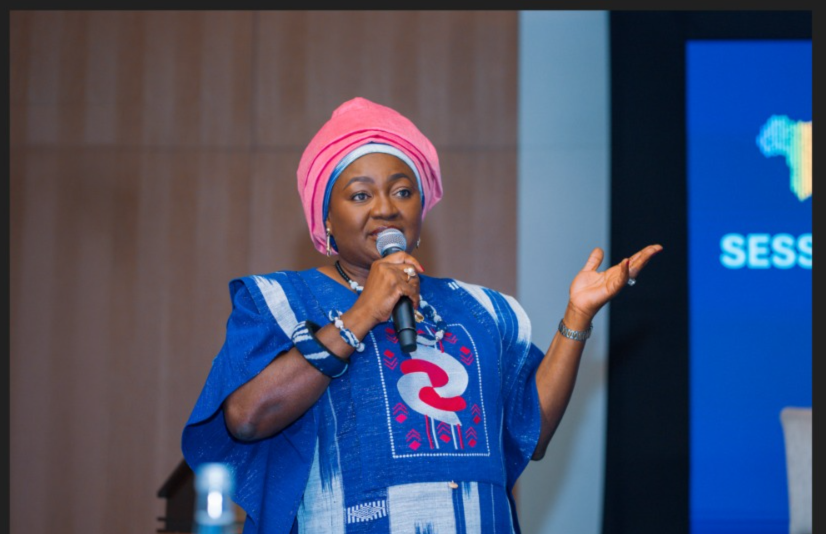
On her part, Deputy Chief Executive Officer of AfricaNenda, Sabine F. Mensah, noted that the success of instant payment systems depends on coordinated efforts among stakeholders to ensure interoperability and wider adoption.
“Payments are a network industry. Without coordinated action, the network cannot scale.”
Mauritius demonstrates the importance of coordinated infrastructure, policy and interoperability. Kenya already has significant building blocks. Its next frontier is to bring them together into a more affordable, accessible and integrated payment ecosystem that supports trade and economic growth.
These were some of the discussions held on the sidelines of the SIIPs 2026 report launch underway in Mauritius.
Regina Manyara is a Senior Business Reporter and television news anchor at Kenya Broadcasting Corporation and Treasurer of the Financial Journalists Society of Kenya.
Disclaimer: Views expressed in this article do not represent the position of Kenya Broadcasting Corporation.