Marine conservationists have called for stronger use of data, research and policy instruments to safeguard Kenya’s marine resources from overexploitation and illegal fishing.
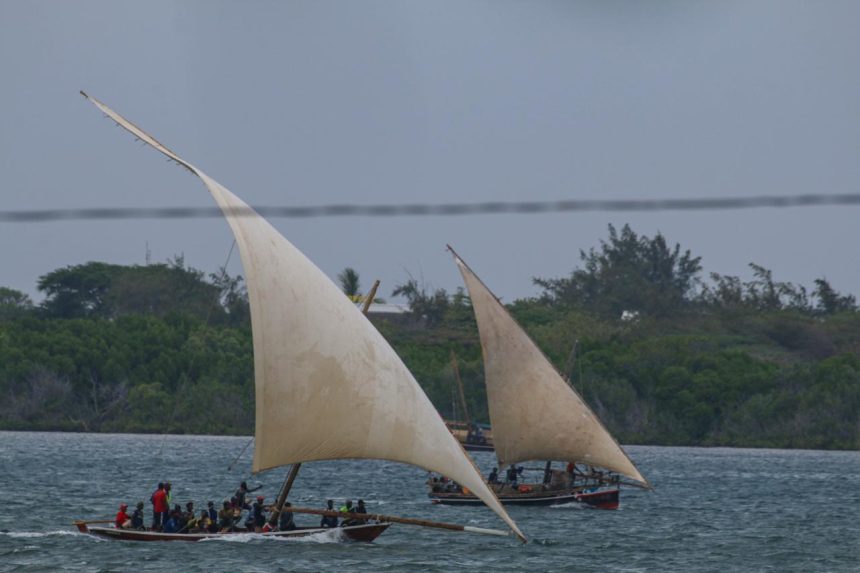
Speaking during a stakeholders’ forum on marine fisheries conservation in Mombasa City, the experts said reliable fisheries data and effective implementation of management policies are critical in ensuring sustainable use of marine resources and securing the livelihoods of coastal communities.

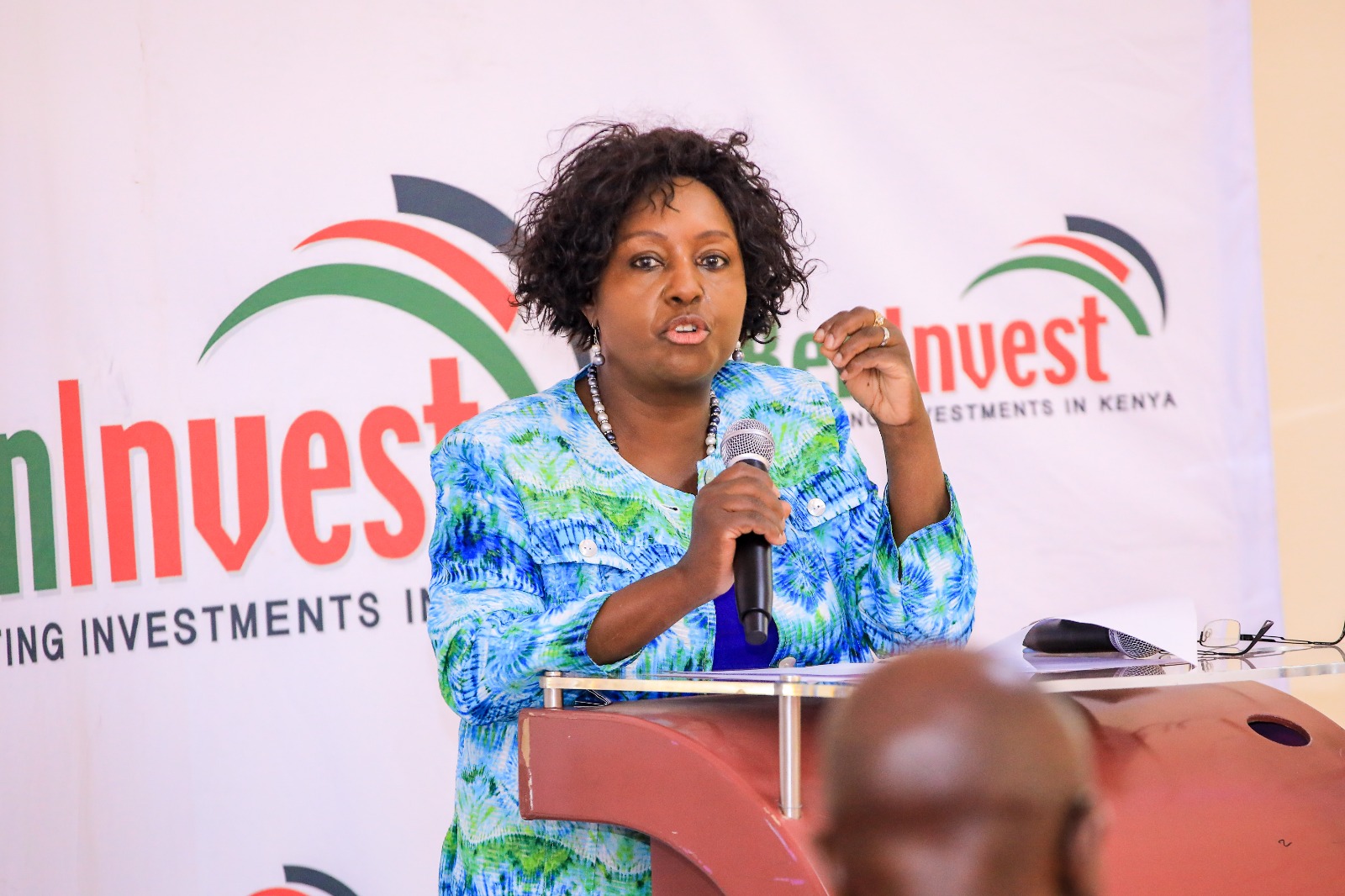
Kenya Fisheries Service Director General Daisy Muriuki said the agency’s mandate is to conserve, manage and develop fisheries and aquaculture resources.
She identified data management and research as key areas requiring greater collaboration, saying research findings should be shared with fishing communities to enable them to understand the importance of data in managing fisheries resources.
Muriuki called for fisheries data to be consolidated under the Kenya Fisheries Service, the institution mandated to manage and develop fisheries data.
The Director General also raised concern over the impact of Illegal, Unreported and Unregulated (IUU) fishing, which she said costs Kenya an estimated Ksh 45 billion annually.
Kenya has in recent times strengthened its monitoring, control and surveillance, including the use of a Vessel Monitoring System (VMS), to track fishing activities in Kenya’s waters.
KFS Director Jared Agano said fisheries management plans were among the key policy instruments developed to promote sustainable exploitation and conservation of marine resources.
He said the agency, with assistance from the State Department for Blue Economy and Fisheries, had developed management plans for priority fisheries, including marine aquarium fisheries and lobster fisheries.
Agano said the priority now was to ensure the plans were effectively implemented to deliver tangible benefits to fishing communities while protecting the resources from depletion.
Blue Ventures East Africa Regional Director Nelly Otieno said collaboration among government agencies, conservation organisations, NGOs and fishing communities is necessary to achieve sustainable marine resource management.
Otieno said conservation efforts should increasingly focus on empowering communities directly, since they are among those most affected by the degradation of marine resources.
Stakeholders said stronger coordination, reliable data, scientific research and implementation of fisheries management plans would help Kenya balance marine conservation with economic development, while ensuring coastal communities continue benefiting from ocean resources.