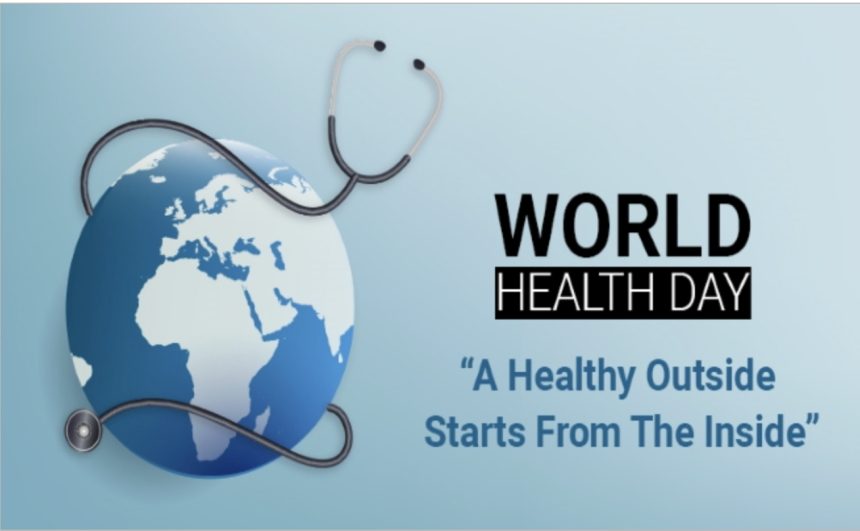
On World Health Day, the AIDS Healthcare Foundation (AHF) is advocating for global unity in combating infectious diseases and is urging prominent global leaders, especially those in Europe, to promote a fair WHO Pandemic Agreement.
This includes a mandatory and enforceable Pathogen Access and Benefit Sharing (PABS) Annex.
World Health Day arrives at a pivotal moment for global health governance.
The Pandemic Agreement, which was adopted in 2025, cannot be signed until the PABS Annex is completed.
This Annex outlines how countries will share genetic sequence data and pathogen samples, as well as how the benefits from their use will be reciprocated within the system.
“At a time when some of the wealthiest nations are retreating from global health leadership, European leaders at both the national and European Union levels have a distinct opportunity and duty to step up. Europe has long been a proponent of equity and solidarity. Now is the time to translate those values into action by backing a robust, binding PABS Annex that ensures lifesaving tools are accessible to everyone, everywhere,” stated Daniel Reijer, Bureau Chief, AHF Europe.
With a deadline in May 2026 at the World Health Assembly, AHF, through its Global Public Health Institute, will continue to closely observe negotiations, emphasising that the Pandemic Agreement cannot progress without the PABS Annex.
The Annex must contain binding, enforceable clauses that ensure those who benefit from the system also contribute to it.
This entails obligatory benefit-sharing and relevant technology transfers through binding contracts for participating manufacturers and all commercial users.
Benefits must encompass fair access to vaccines, diagnostics, and treatments; non-exclusive licenses for manufacturers in developing countries during public health emergencies; and annual financial contributions.
AHF opposes a proposed hybrid or “dual-track” system that would permit companies to access pathogen data without obligations, thereby undermining fair benefit-sharing and ultimately weakening the entire system.
Accountability and transparency are crucial. User registration and traceability must be mandated to prevent anonymous exploitation, and civil society must play a significant role in oversight to ensure equity is maintained.
Without these protections, a weak Annex risks repeating the failures of COVID-19, delaying access, exacerbating inequities, and undermining global health security.
The repercussions of failure are particularly severe for Africa. During COVID-19, the continent home to 17% of the world’s population received less than 3% of the vaccines.
African scientists identified the Beta and Omicron variants and shared genomic data within days, yet their countries were among the last to receive countermeasures.
“Africa has invested in manufacturing capacity, strengthened its regulators, and built the Africa CDC into a credible continental health authority. What we need now is a global system that rewards, not punishes, that progress. A PABS Annex without binding equity provisions tells Africa: share your pathogens, but don’t expect fair access to the cures,” said Diana Tibesigwa, Regional Advocacy & Policy Manager, AHF East & West Africa
The Africa CDC aims to have 60% of the continent’s vaccines produced locally by 2040.
Afrigen Biologics in South Africa has created the first mRNA vaccine prototype on the continent.
Kenya, Nigeria, and six other African countries have reached WHO regulatory maturity.
However, without binding technology transfer and licensing agreements in the PABS Annex, these investments could become stranded assets.
“The stakes are incredibly high. African civil society organisations are steadfastly supporting the Equity Group in seeking a transformative and enforceable outcome. We have developed considerable expertise in pandemic preparedness and global health governance, yet we have been excluded from the negotiation process. If the PABS Annex does not succeed, it will be because powerful nations chose extraction over cooperation,” stated Aggrey Aluso, Executive Director of the Resilience Action Network Africa (RANA).
With time running short, AHF calls on European leaders to safeguard the world from infectious diseases by fostering global solidarity, eliminating delays, and reaching a final agreement that emphasises cooperation, accountability, and equitable access for everyone.
On World Health Day 2026, AHF stresses that global solidarity should extend beyond future public health emergencies to address ongoing infectious disease challenges, including HIV and other sexually transmitted infections.
Ensuring equitable access to prevention, testing, and treatment remains one of the most effective strategies to save lives and prevent new infections globally.