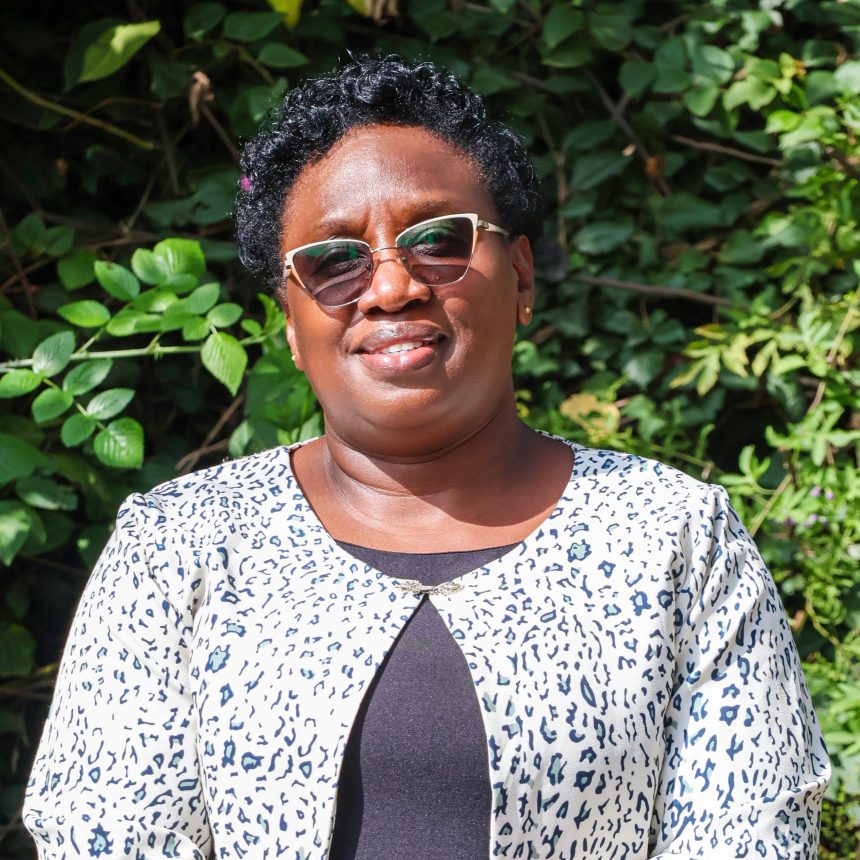
In honour of International Women’s Day, Susan A. Oduor, the Gender, Safeguarding & Inclusion Manager at Africa Harvest, wonders why Kenya continues to overlook women in the Agricultural sector.
As the global community marks International Women’s Day 2026 under the theme “Rights. Justice. Action. For ALL Women and Girls,” Kenya stands at a crossroads. We are a nation that prides itself on being an agricultural powerhouse, yet we continue to overlook the very engine that powers this sector: our women.
The paradox is stark. Women constitute between 70% and 80% of Kenya’s agricultural labor force, yet fewer than 5% hold individual land titles. They are the primary producers of food and the guardians of household nutrition, but they remain structurally excluded from the financial and legal systems required to scale their efforts.
In Kenya, gender inequality is not just a social grievance; it is a macroeconomic failure. When a woman lacks a land title, she lacks the collateral for credit. When she lacks credit, she cannot invest in climate-smart technologies or high-value seeds. This “production-ownership gap” keeps women trapped in subsistence farming, stifling national food security and slowing our economic resilience.
The Cost of Silence
The barriers are not merely economic. Despite the Constitution enshrining the two-thirds gender principle, women occupy only about 31.8% of national assembly, senate, county assembly seats and the cabinet. This lack of representation trickles down to agricultural cooperatives and commodity boards, where decisions about pricing, distribution, and infrastructure are made without the input of those doing the actual work.
Furthermore, the shadow of Gender-Based Violence (GBV) continues to haunt our progress. With nearly 45% of women reporting intimate partner violence in their lifetime, the physical and psychological toll restricts mobility and economic participation. A woman who does not feel safe in her home or community cannot lead a revolution in the fields.
Turning Rights into Results
To move from commitment to measurable action, we need a multi-sectoral shift. The government must move beyond policy and focus on the enforcement of land rights and gender-responsive budgeting. Financial institutions must abandon rigid collateral models in favor of value-chain-based financing that recognizes the unique reality of female entrepreneurs.
However, international days of observance often fail because they lack grassroots implementation. This is where organisations like Africa Harvest are bridging the gap. We believe that empowerment is not a solo journey; it requires an entire ecosystem of support. Africa Harvest is actively dismantling these barriers by prioritising the enrollment of women and youth in high-impact agricultural programs, with more than 63,000 women currently participating across various value chains.
The power of collective Finance
Perhaps the most effective tool in closing the gender gap is the Village Savings and Loan Association (VSLA) model. In a landscape where only 29% of women access formal financial services, VSLAs provide a bridge. Current data from these community-led groups shows a powerful trend where members have seen their incomes grow by an average of 275% within five years.
Safety as a Structural Requirement
We recognise that for true change to take root, we must work with men as allies, fostering a culture of shared responsibility rather than competition. Our work extends beyond the farm; we conduct intensive sensitisations on GBV and run robust safeguarding programs for both children and adults across our project counties.
Central to our approach is accountability. We have established clear Complaints Response Mechanisms (CRM) to ensure that every participant, regardless of gender or age, has a voice and a safe channel to report injustices. We are not just teaching women how to farm; we are ensuring they can farm in safety, with dignity, and with the legal and social backing they deserve and need to enhance their agency and live transformed lives.
A Call to Action
International Women’s Day 2026 must be more than a day of speeches. It must be a day of accountability. Rights must translate into secure land tenure. Justice must translate into equal access to finance. Action must translate into a measurable redistribution of power.
A Kenya where women fully own, lead, and profit within agricultural value chains is not a distant dream; it is a prerequisite for our survival. The tools are in our hands. The responsibility lies with us all to convert these commitments into structural transformation.