Tucked in the rugged, dusty hills of Samburu County in Northern Kenya, Reteti Elephant Sanctuary is redefining wildlife conservation by placing local communities at the heart of efforts to protect and rehabilitate orphaned elephants.
Reteti Elephant Sanctuary, Africa’s first completely community-owned and community-run elephant orphanage, is situated within the 850,000-acre Namunyak Wildlife Conservation Trust in Samburu County and serves as a tourist destination.

The Kenya Tourism Board (KTB) is targeting the untapped potential of the Northern Kenya circuit, positioning the region as a launchpad for a wider domestic tourism drive to lesser-known destinations.
The sanctuary is among the destinations that highlight northern Kenya’s potential for wildlife and cultural tourism beyond the country’s established safari circuits.
The push forms part of the Board’s broader target of 5.6 million bed nights by 2027, anchored on promoting year-round travel across Kenya’s diverse regions through a campaign that shifts focus from raising awareness to driving growth in bookings and bed nights.
The Sanctuary that operates at the foot of the magnificent Mathews Range is managed entirely by the local indigenous Samburu community.
According to Reteti Sanctuary Operations Officer Patricia Parkeri, the Sanctuary currently cares for 52 elephants and sources approximately 680 litres of milk from the local community, supporting an initiative that empowers about 1,250 women.
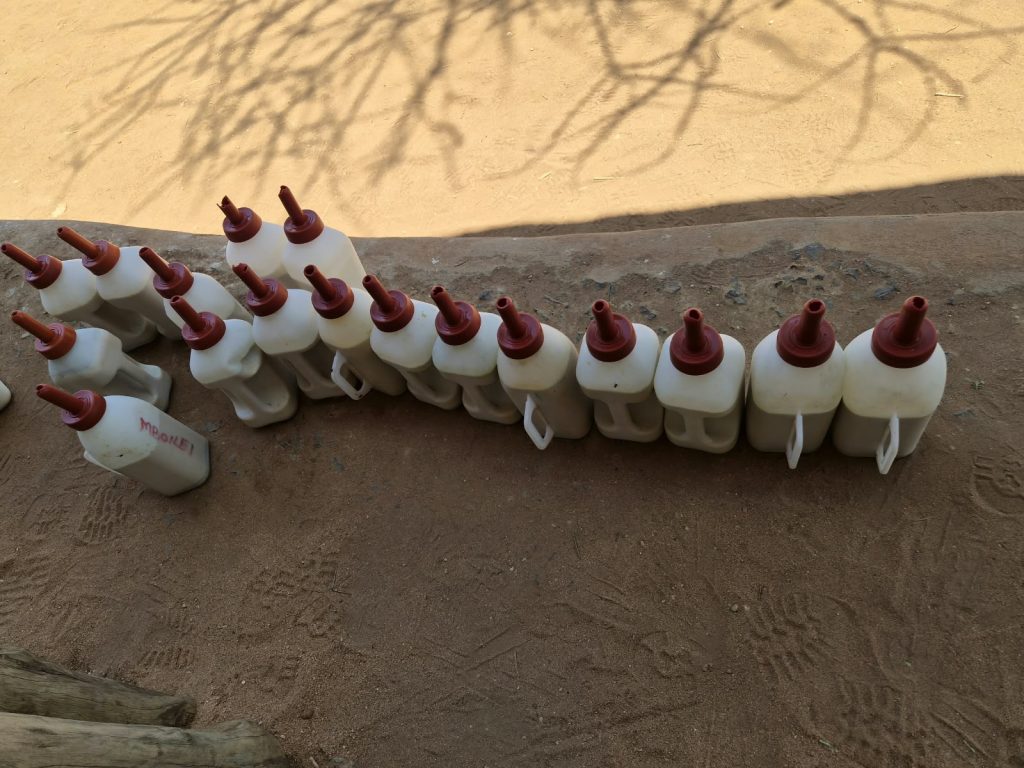
She says the Sanctuary provides employment to 1200 people who are majorly from the local community noting that the funds raised from the bookings and the donations are also ploughed back to assist the locals.
Located in northern Kenya, Reteti was established in the area because of its strategic position within the region, supporting efforts to rescue and rehabilitate elephants affected by various threats, including human-wildlife conflict and poaching.
The elephants are released in groups comprising males and females as part of the sanctuary’s approach to preparing them for life in the wild.
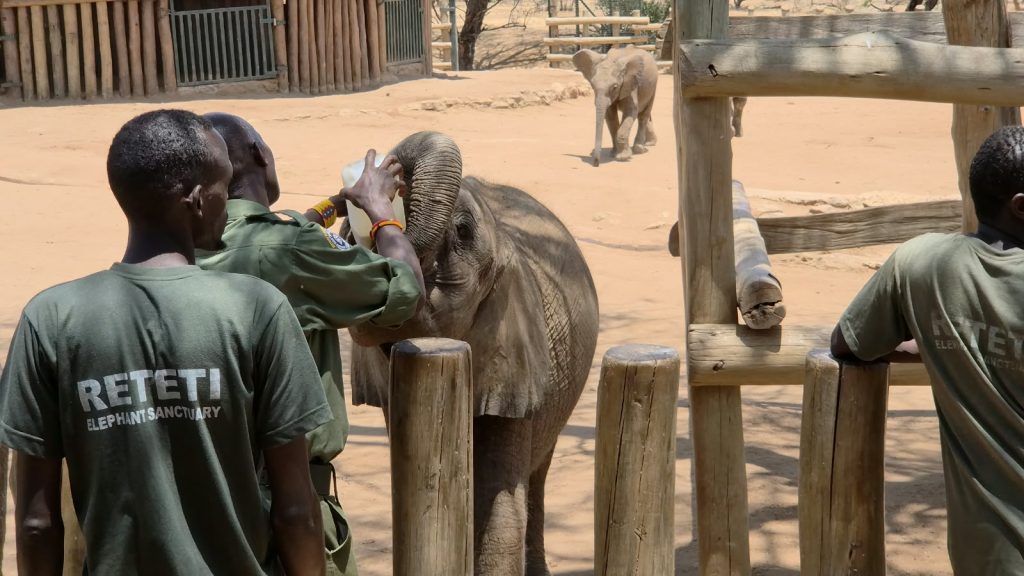
Parkeri noted that 23 elephants have been released back into the wild after reaching the age of seven, marking a key milestone in their rehabilitation adding that when an elephant decides to return to the Santuary, it is welcomed back.
She noted that the staff have developed techniques to manage aggressive elephants noting that they use car tyres while training the elephants that help in also safeguarding the trainer from being harmed.
The sanctuary’s tourism activity varies with the seasons, with October identified as one of its peak periods, offering visitors an opportunity to learn about elephant rehabilitation and community-led conservation.
The main public viewing slot is the Midday Feed (11:30 AM – 1:00 PM), with the actual bottle-feeding happening precisely at 12:00 PM. This is limited to a maximum of 15 to 20 visitors across three groups.
Singing wells
The activity is conducted as the staff sing to the elephants; “We sing to our animals while we are feeding them. It is a culture that has been passed down through generations,” said Parkeri.
According to Guest Relations Officer Russia Lenanyokie most elephants that are at the Santuary end up there as a result of falling into ‘singing wells’, as they access water.
“We exist because northern Kenya is one of the areas most affected by drought. As a result, elephants face challenges accessing water and often come into contact with people. About 70 percent of the elephants end up falling into wells dug by community members to access water,” said Lenanyokie.
Adding that: “We call them singing wells. These wells are dug by the Samburu people, who sing as they draw water for their animals in the morning. That is where the name comes from.”
Also watch https://www.youtube.com/watch?v=DixOGxCE1Ms