In the bustling lakeside city of Kisumu, a quiet digital revolution is taking shape, one that is turning waste into opportunity while protecting the fragile ecosystem of Lake Victoria.
At the heart of this transformation is the M-Taka App, an innovative platform that is reshaping how waste is collected, tracked, and recycled, while empowering youth, women, and informal waste pickers across the city.

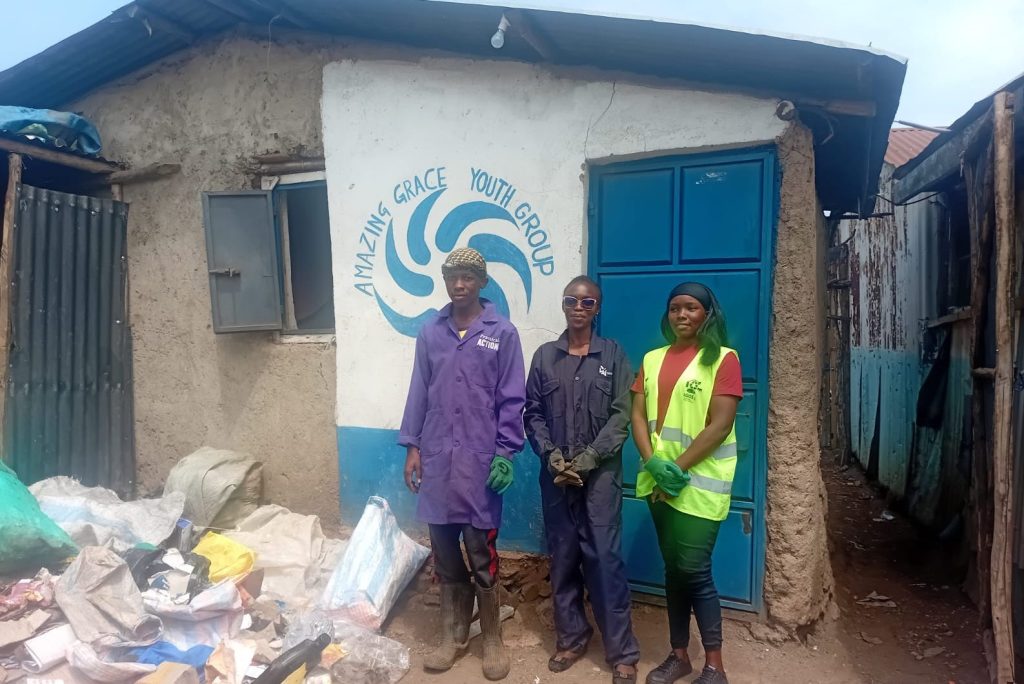
In Nyalenda, one of Kisumu’s low-income neighborhoods, 27-year-old Renise Atieno Olwala oversees daily operations at Amazing Grace Youth Group. The 17-member group, established in 2020, specializes in collecting household waste ranging from plastics and paper to glass and organic materials.
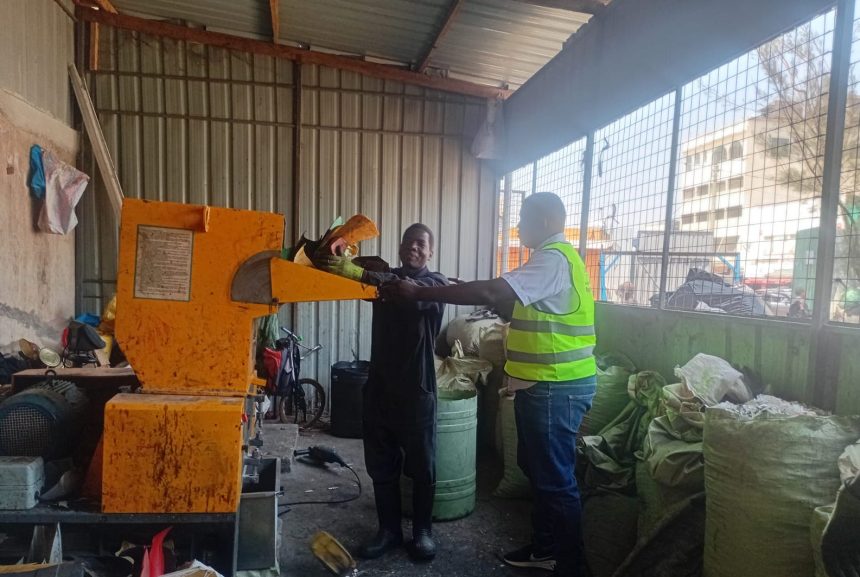
At their aggregation center, waste is received, sorted, graded, and stored before being transported for recycling. The work is demanding and often hazardous.
“It is labour-intensive, and we have to wear protective gear to avoid infections from the waste,” Renise explains.
Despite the challenges, the initiative has created employment for over 200 young people and supports women-led groups within the community.
However, managing such a large network proved difficult—until the introduction of the M-Taka App.
“It has been instrumental in tracking waste, improving data visibility, and strengthening record keeping across the value chain,” she says.
The app provides real-time data, including the identity of suppliers and quantities collected, enabling efficient and transparent operations.
In Manyatta Kasawino, another part of the city, 22-year-old entrepreneur Dennis Omondi is also harnessing the power of waste.
As the founder of Green Core International, Dennis works with youth groups to promote recycling and environmental restoration through clean-ups and tree planting.
His innovation stands out—recycling used hair extensions into doormats, carpets, and liner bags.
“Through a multisectoral approach, I’ve been able to integrate clean-ups, recycling, and environmental conservation,” Dennis says.
He collaborates with salon owners like Joyce Ingata of Blessings Salon, who collects used hair extensions for recycling instead of discarding them.
“This initiative has helped keep my environment clean. There’s no clogging of drainage near my premises,” Joyce notes.
Using the M-Taka App, both Dennis and Joyce track waste collection and update records in real time.
“Every month, at least three kilograms of waste is generated from my salon,” she adds, urging other salon operators to adopt similar practices.
Behind this innovation is Benson Abila, founder and CEO of M-Taka. His journey is rooted in personal struggle and resilience.
Growing up as an orphan, Abila worked as a waste picker at Kachok dumpsite before later graduating as a civil engineer from the University of Nairobi.
“I wanted to dignify waste workers and empower communities to see waste as a resource,” he explains.
Three years ago, he transformed this vision into reality by developing the M-Taka App—a digital platform that connects households to aggregation centers through an inventory-based system.
Working closely with the Kisumu County Government, the initiative gained traction after the county supported the establishment of aggregation facilities.
M-Taka operates through a structured system where youth and women groups register through the county government and are assigned specific zones.
They collect waste from households and businesses, sort it into categories, and sell recyclables to processing companies. Payments are tracked digitally, ensuring accountability and efficiency.
Waste pickers also play a central role, using the app to log daily collections and maintain accurate records.
To address financial barriers, the platform has introduced a zero-interest credit scheme.
“The more waste you collect and record, the more access you get to funding,” Abila explains.
This has enabled many participants to invest in protective gear and expand their operations.
The results have been remarkable. Over 310 agents have been trained in financial literacy, and more than 3,000 metric tonnes of waste have been recycled.
Beyond economic benefits, the app is playing a critical role in environmental conservation.
By reducing plastic pollution and improving waste management, it is helping protect Lake Victoria from contamination—an issue that has long threatened aquatic life and human health.
The initiative aligns with the efforts of the National Environment Management Authority (NEMA), which regulates waste disposal and promotes sustainable practices.
“We are prioritizing the protection of Lake Victoria by regulating waste disposal and promoting environmentally sound practices,” says Leonard Ofula, a county official with NEMA.
In collaboration with the Kisumu County Government, NEMA has strengthened waste segregation, enforcement, and public awareness campaigns.
Kisumu generates between 400 and 600 tonnes of waste daily, yet only 20 to 30 percent is formally collected. The rest is often disposed of through open dumping or burning, posing serious environmental and health risks.
The M-Taka App is helping bridge this gap by digitizing waste management and promoting community participation.
More than just a technological solution, M-Taka represents a shift in mindset—one that sees waste not as a problem, but as an opportunity.
It is restoring dignity to waste pickers, creating jobs, and building a circular economy where nothing goes to waste.
As Kisumu continues to grow, innovations like M-Taka may well define the future of sustainable cities, not just in Kenya, but across Africa.