
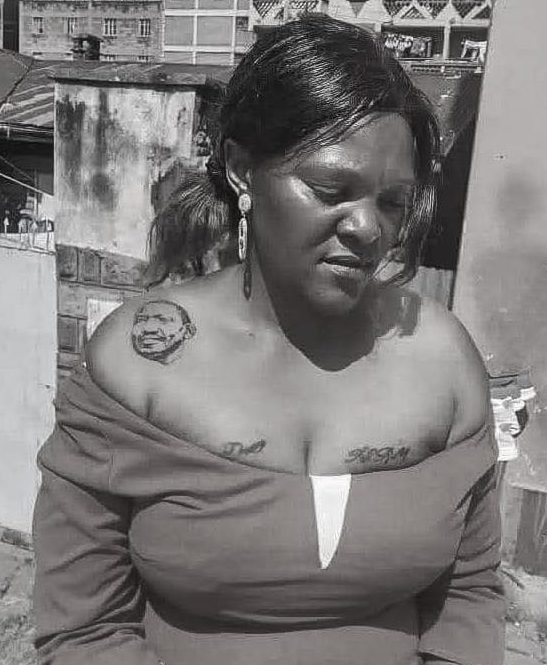
The death of Rachel Wandeto has ignited fresh debate over political intolerance in Kenya, with a section of Kenyans questioning what they describe as selective outrage and the silence of many activists following the horrific attack.
Wandeto, a gospel artist and outspoken supporter of the ruling United Democratic Alliance (UDA) party, died days after she was allegedly doused with petrol and set ablaze by unknown individuals in Mwiki, Kasarani Sub-County, Nairobi.
Her supporters say she was well known online for her strong backing of President William Ruto and even had a tattoo of the Head of State, something many now believe may have contributed to her being targeted.
The incident has shocked many Kenyans, not only because of the brutality involved, but also because of what critics are calling a worrying silence from some civil society voices and online activists who are often vocal against violence targeting women.
As news of her death spread online, hashtags demanding justice for Wandeto gained traction, with users questioning why political affiliation appears to determine the level of public sympathy victims receive.
The Kenya Women Parliamentary Association (KEWOPA) was among the institutions that condemned the attack, warning that the country was witnessing a dangerous rise in intolerance.
“KEWOPA further expresses concern over the emerging pattern of targeted violence and growing intolerance in public life, which threatens democratic participation and weakens public trust in state protection mechanisms. This trend must be decisively confronted through the enforcement of the law and accountability for perpetrators,” the association said in a statement.
The women legislators further stated: “KEWOPA reaffirms that violence is a direct assault on democracy and must be confronted decisively through law, justice, and accountability.”
Interior Cabinet Secretary Onesimus Kipchumba Murkomen also condemned the attack while warning against hate-driven political rhetoric.
“I condemn this barbaric act that has no place in our society. Our investigative agencies are working hard to establish the motive and bring to book the perpetrators of the heinous act,” Murkomen said on Sunday after visiting Wandeto at Kenyatta National Hospital.
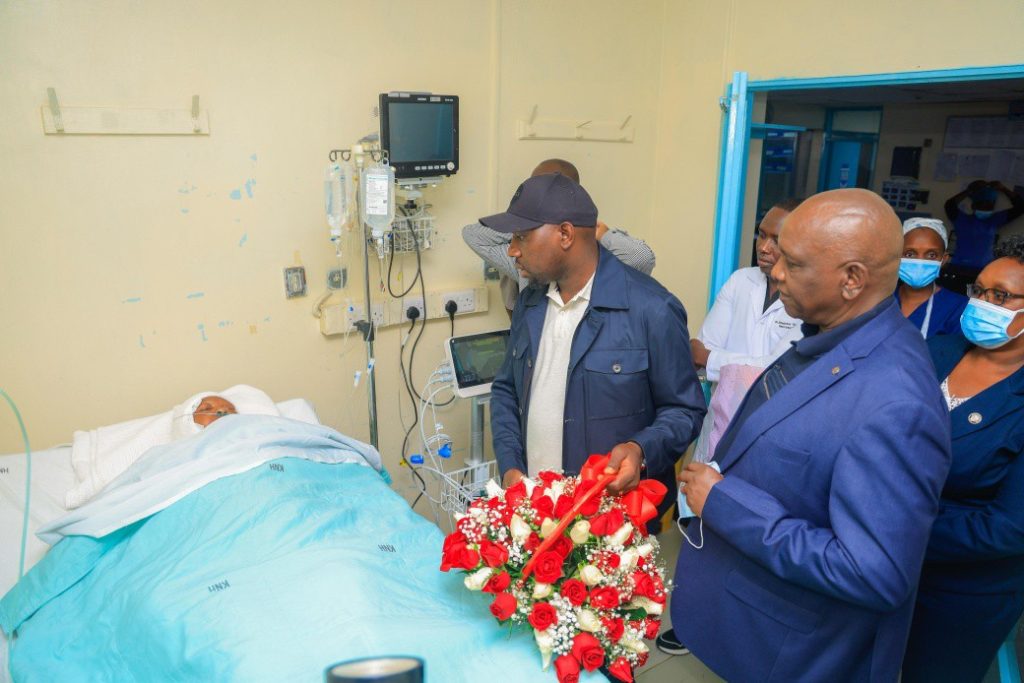
“Whatever the motive, no Kenyan should go through such an ordeal because of her beliefs,” he added.
According to the National Police Service, Inspector General Douglas Kanja, who accompanied Murkomen during the hospital visit, assured the public that investigations had already commenced.
“The Inspector General reiterated the National Police Service’s commitment to safeguarding the lives and property of all persons, regardless of background, beliefs, or affiliations,” part of a post on the official National Police Service Facebook page read.
The attack has once again placed the spotlight on rising political hostility in the country, where online disagreements are increasingly spilling into physical confrontations.
The issue for many Kenyans is no longer just about Wandeto’s political alignment, but whether the country is becoming intolerant of differing views and political choices.
On her part, Hon. Jacqueline Ingutiah, Commissioner at the Judicial Service Commission, mourned Wandeto while calling for accountability.
“I am deeply saddened and disturbed by the horrific attack and tragic death of Ms Rachel Wandeto. No one deserves to be subjected to such cruelty, violence and pain,” she said.
“We must all strongly condemn all forms of violence in our society and demand swift investigations and accountability for those responsible. Human life is sacred, and differences in opinion, belief, or political affiliation should NEVER result in hatred attacks and loss of life.”
As calls for justice continue growing online, many are now asking whether Kenya is witnessing the dangerous normalisation of political intolerance and why some voices that loudly condemn violence in other instances appear silent when the victim is associated with a different political side.