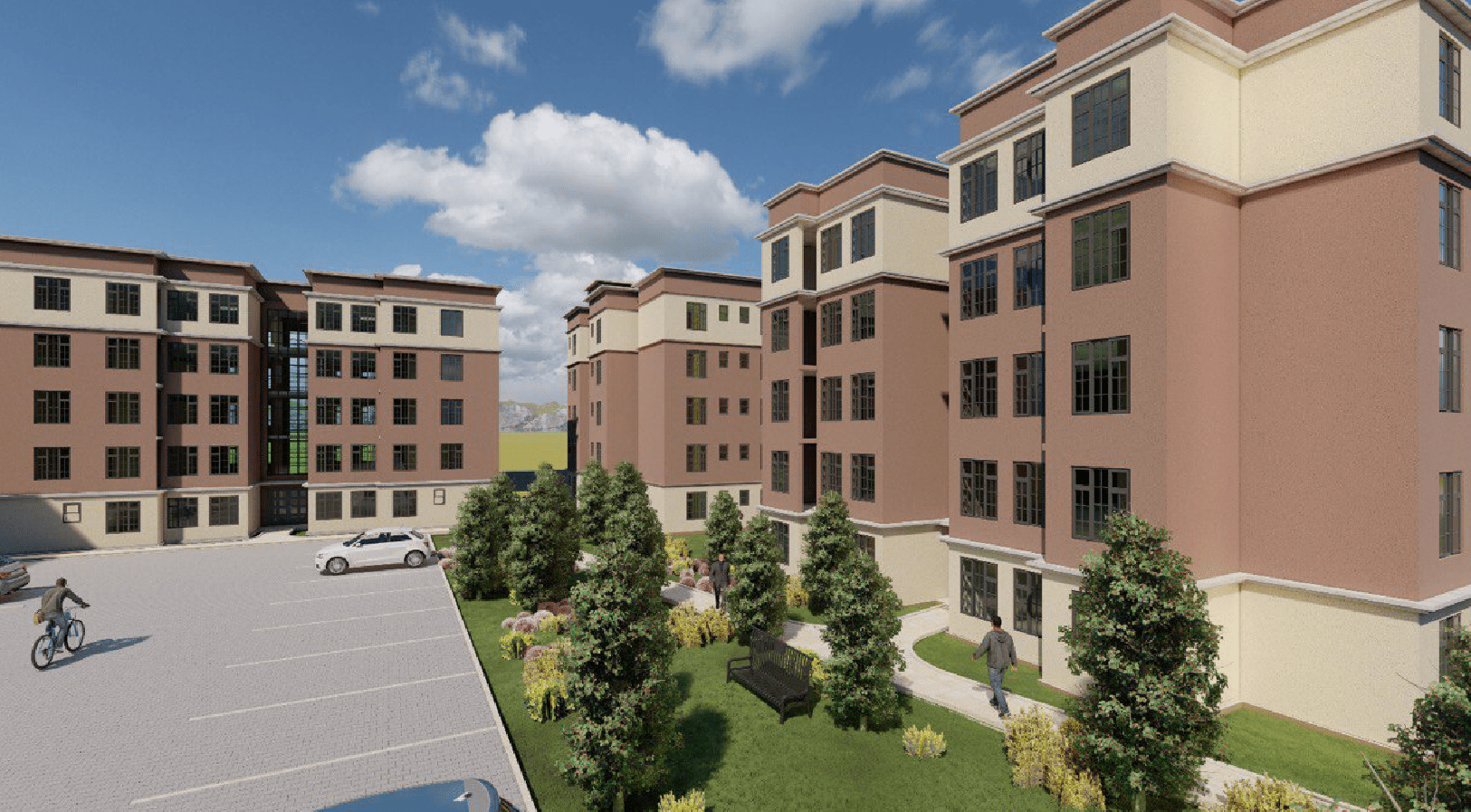
Nairobi is facing a growing housing deficit driven by rapid urbanisation, rising diplomatic presence, and increased demand for short-term and long-term accommodation.
According to industry estimates, Kenya’s national housing deficit stands at over 2 million units, with Nairobi accounting for a significant share due to its status as the country’s economic and diplomatic hub.

Annual demand in the capital is estimated to exceed supply by tens of thousands of units, a gap that continues to widen as new developments struggle to keep pace with population growth and rising middle-income demand.
Hospitality Advisor Håvar Bauck noted that Nairobi has the capacity to expand to hospitality hub as the demand continues to exceed supply, noting that serviced-apartment operation particularly in high-end neighbourhoods such as Gigiri, Westlands, and Kilimani have grown but still experiences high occupancy pressure.
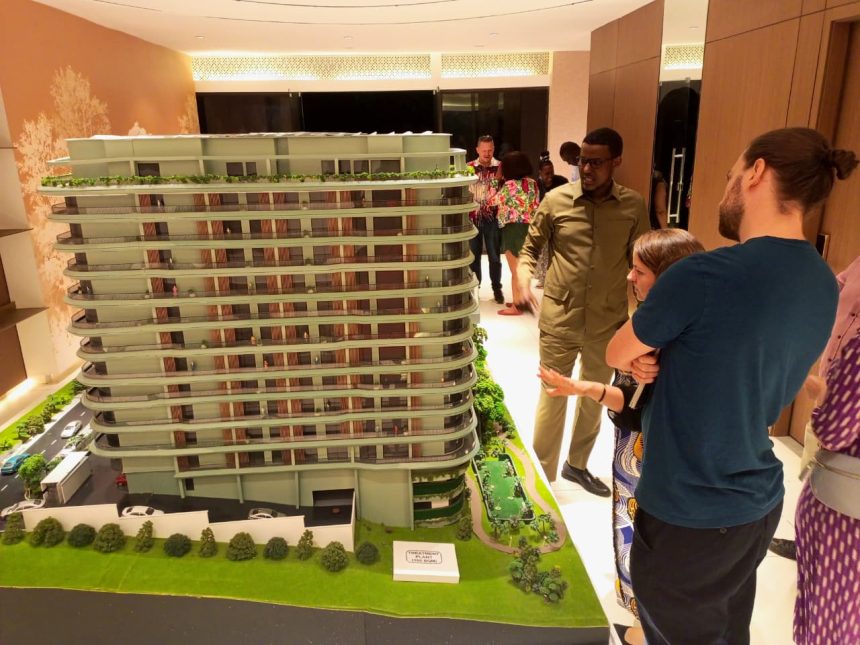
In a bid to curb housing deficit, Silva Gigiri developers are increasingly turning to mixed-use hospitality projects combining residential units, serviced apartments, and hotels.
“We wanted something that respects the environment. The forest and river are only about a hundred meters away, so we designed the development to coexist with nature rather than disrupt it,” said Bishar Dhere, Developer Silva Gigiri.
The project is planned to include 185 houses , restaurants, and wellness facilities, reflecting a shift toward integrated living and short-stay accommodation models.
Silva Gigiri Head of Sales Wendy Nyambura added that the city’s persistent housing gap presents a strong investment opportunity.
As Nairobi positions itself as a regional hub for diplomacy, trade, and international conferences, the developer expects pressure on housing to increase further.
The developers, said addressing the deficit will require not only private sector investment but also coordinated planning between national and county governments to balance demand, infrastructure, and environmental protection.