The 63rd Madaraka celebrations on Monday, which took place in Wajir county, were a significant boon for the Northern region of Kenya, as the county became the first to host a high-level event attended by President William Ruto.
In his speech, Governor Ahmed Abdullahi made reference to the county’s strategic positioning and the historical circumstances that led to the Italian occupation of 1940.

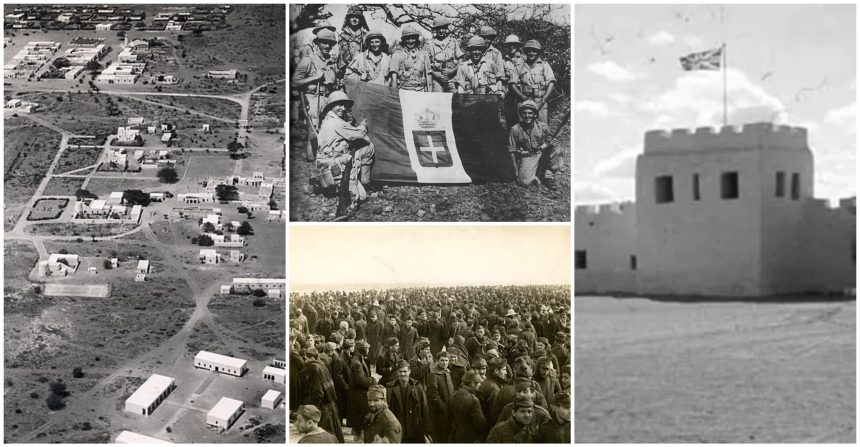
“Wajir is not just a geographical space; it was a strategic bastion, nestled between Garissa and Mandera…Long before colonial borders, Wajir was a prize to be won, a strategic stronghold and fierce battleground between the British and the Italians. This is the only place in Kenya that for two years was under Italian rule.”
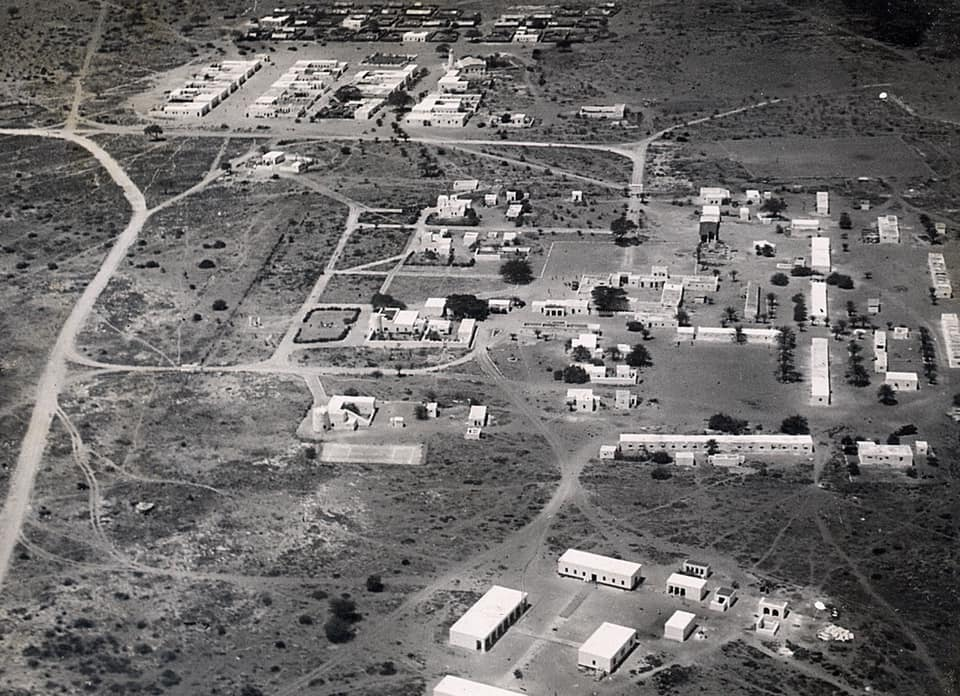
The Northern Frontier Districts
Long before the Scramble for Africa and colonial rule, the area now referred to as the Northern region of Kenya, which includes Wajir, Mandera, Moyale, Marsabit, Isiolo and Garissa, were inhabited by pastoral communities like the Somali, Borana, Rendille, Samburu, Turkana, and Gabra who moved freely across the Horn of Africa without regard for modern national borders.
It wasn’t until the Berlin conference of 1884, when Britain formalised its colonisation of East Africa, while the Italians took the neighbouring region of Somalia, that the region became subject to borders that had previously been non-existent.
In 1909, the British dubbed the region the Northern Frontier District, establishing a buffer zone between the British East African territories and Italian Somaliland, which disrupted the way of life for the communities in the North, making travel, community integration, trade and unity impossible.
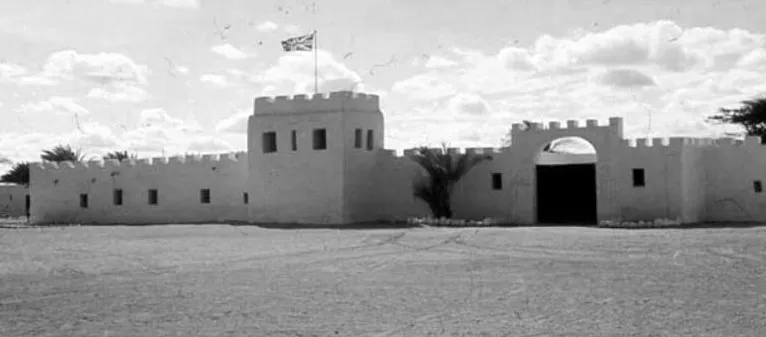
However, Wajir remained far and remote, making it hard for the colonial administration to administer and defend despite the myriad of rules and artificial lines it had drawn that had essentially cut off communities and marginalised the region.
As the British struggled to maintain control, the Italians continued their expansion into the region and in 1936, under the rule of Benito Mussolini, Italy finally conquered Ethiopia, merging it with Somalia to establish Italian East Africa. This meant that Italy had developed a stronger foothold in the region, bringing numerous Italian forces closer to Wajir.
The fall to Italy during World War II
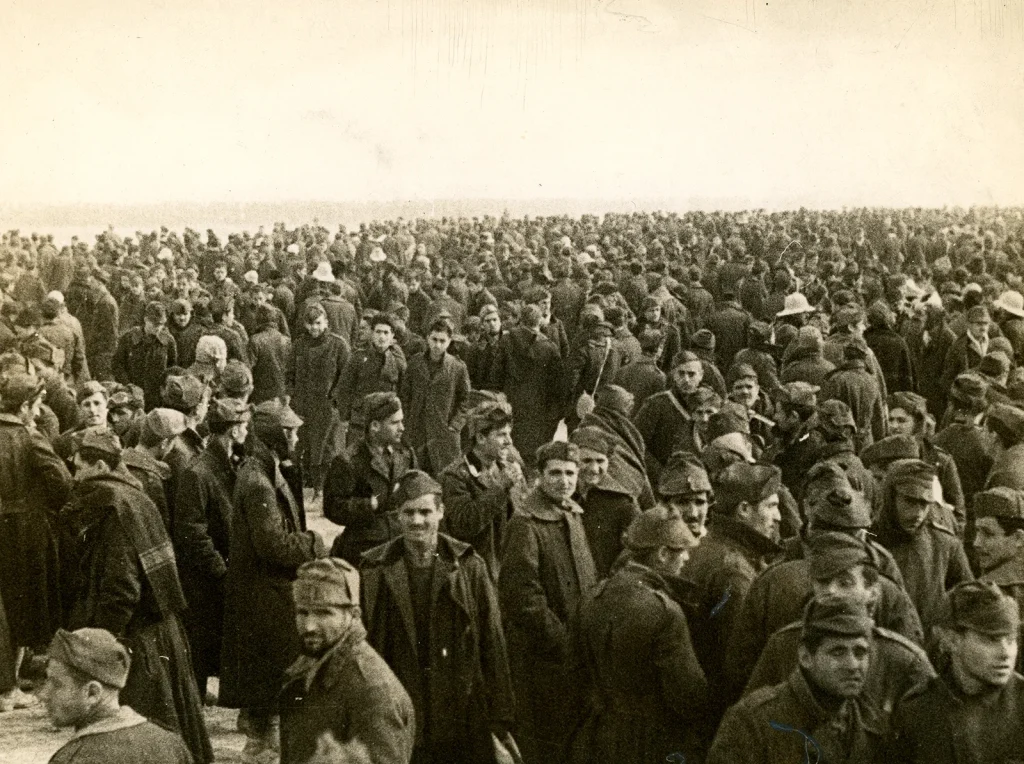
The turning point for Wajir came in June, 1940, when Italy officially joined World War II, which led to the opening of a new military front in East Africa.
Mussolini, who was the Commander-in-Chief of Italy’s armed forces, believed at the time that the war would be short and, more importantly, would offer a strategic opportunity for Italy to expand and build “a new Roman empire.”
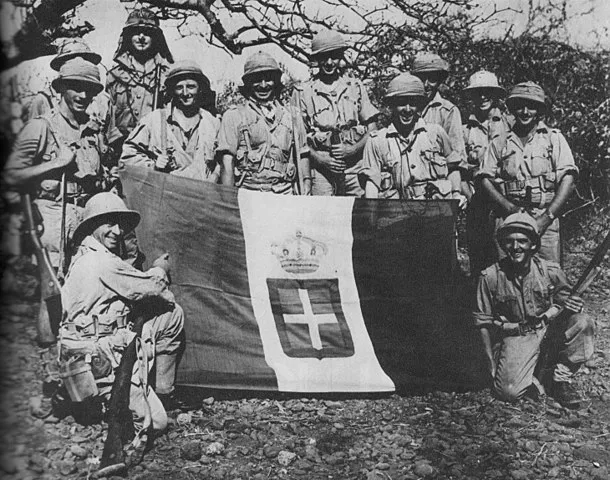
As the British and the Italians were on opposite sides of the war (Britain was part of the Allied forces while Italy was part of the Axis forces), days later, Italian aircraft launched attacks against British positions in northern Kenya, including military facilities in Wajir. Italian troops crossed several sections of the Kenya-Somalia frontier as part of a broader campaign aimed at weakening British control in the region.
Because the region was so vast, British troops on the ground were spread out across the region and struggled to defend it. As a result, Wajir fell to Italian Military control shortly after.
Wajir remained under Italian control for approximately two years before the British regained control, largely due to a counter-offensive attack launched in 1941 with Indian and African troops aimed at pushing Italian forces out of the region.
Wajir remained under British control until Kenya gained independence in 1963.