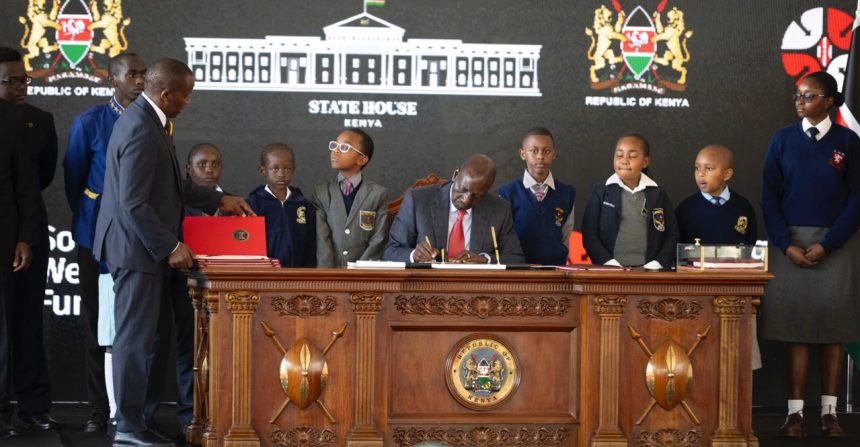
President William Ruto has signed the Sovereign Wealth Fund Bill, 2026, into law, paving the way for the creation of Kenya’s first fund dedicated to investing public wealth for future generations and enhancing economic stability.
The President assented to the Bill on Wednesday at State House, Nairobi, establishing a legal framework for the management and investment of revenues from the country’s natural resources.

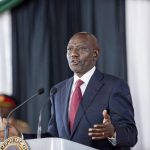
President Ruto hailed the new law, saying it will help preserve Kenya’s wealth and ensure that proceeds from the country’s resources benefit future generations.
“If one generation consumes all the proceeds from exhaustible resources, it leaves nothing but empty mines and depleted oil fields for those who come after it. That is neither prudent economics nor responsible stewardship,” he stated
Understanding the Sovereign Wealth Fund Bill
The new law seeks to protect the economy from major shocks, finance strategic infrastructure projects and create a savings base for future generations once mineral and petroleum resources are depleted.
Under the legislation, the Sovereign Wealth Fund will comprise three components focused on stabilisation, strategic infrastructure investment and savings for future generations.
The Stabilisation Component will serve as a financial buffer by providing resources to help the country respond to extraordinary economic disruptions that could affect macroeconomic stability, including global crises and volatility in international markets.
Meanwhile, the Strategic Infrastructure Investment will channel funds into priority projects aligned with national development plans while helping attract private sector financing for key investments.
The Future Generations Component will preserve part of Kenya’s resource wealth to benefit future citizens, with 30 percent of total mineral and petroleum revenues allocated to the fund.
The law also requires oversight by the Controller of Budget, compliance with the Public Finance Management Act, and regular financial reporting and audits by the Auditor-General to ensure prudent management and accountability of the resources.
In addition, the Sovereign Wealth Fund Board will be required to prepare annual reports on the performance of each component, which will be published and submitted to the National Assembly as part of accountability measures.
To protect the Fund from misuse, the law imposes penalties for the misappropriation of funds and sets investment guidelines restricting risky investments, including speculative derivatives, unlisted real estate in Kenya, private equity, art, commodities and securities issued by Kenyan entities.
The National Assembly will also play an oversight role through the approval of investment policies developed by the Fund’s Board to ensure that investments align with national development priorities.