Climate change, urbanization, environmental degradation, public health emergencies, and technological hazards are increasing the frequency and complexity of disasters.
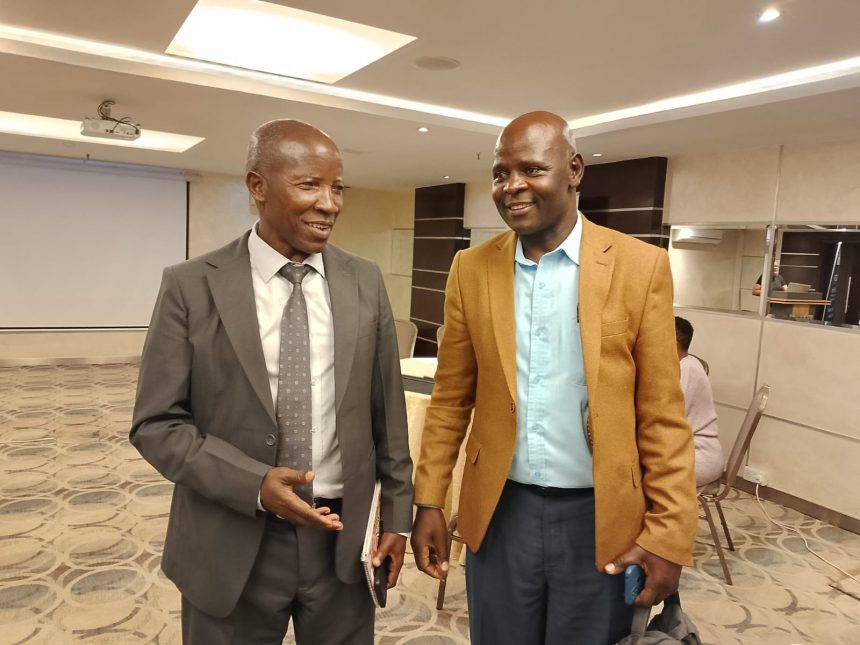
National Disaster Operations Center (NDOC) Director Col. (Rtd) David Samoei is now calling for strengthening of institutional coordination, improvement in information sharing, investment in risk knowledge, and ensuring that vulnerable communities remain at the centre of all interventions so as to reduce the adverse impacts of hazards and disasters.

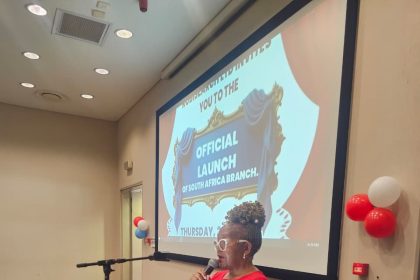
Samoei who spoke at the close of a four-day, National Technical Co-production and Action-based forecasting (ABF) framework development workshop held in Nairobi, reaffirmed the collective commitment to building systems that save lives, protect livelihoods, and safeguard development gains.
“We recognize that the risk landscape is evolving rapidly,” he said and added, “These challenges demand that we move beyond reactive emergency response towards proactive risk management that emphasizes prevention, preparedness, anticipatory action, and resilience building.”
While noting that effective disaster risk management is a shared responsibility that requires strong partnerships, coordination, and continuous learning, Samoei appealed to stakeholders to work towards ensuring that recommendations are implemented for the good of the public urging for the need for strengthening collaboration across sectors, “and continue supporting the whole-of-government and whole-of-society approach to disaster risk management.”
The four-day workshop brought together technical experts from key sectors who developed the Kenya-specific hazard-impact tables for priority weather hazards by adopting a people-centred approach, ensuring that the needs of vulnerable populations are adequately reflected while integrating Gender Equality, Disability, and Social Inclusion (GEDSI).
The workshop was organised by the Kenya Meteorological Service Authority, in collaboration with the National Disaster Operations Centre (NDOC), UK Met Office and the World Meteorological Organization (WMO), with the support of the Weather and Climate Information Services (WISER).