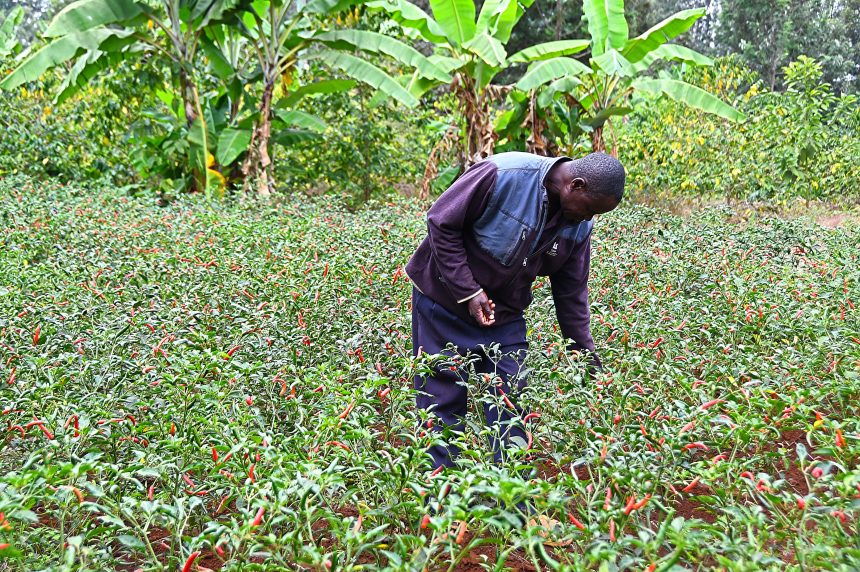
Government has secured approximately Ksh 3 billion to finance irrigation projects in Western Kenya, demonstrating growing confidence in Kenya’s irrigation development model and its impact on transforming smallholder agriculture.
This following the outstanding performance of irrigation projects in the Mt. Kenya Region.

Speaking during an inspection tour of the Kandeki Irrigation Project in Kirinyaga County and the Gatene Irrigation Project in Embu County, Principal Secretary for Irrigation Ephantus Kimotho, lauded irrigation model implemented in the Mt. Kenya Region noting that it has recorded remarkable success, with about 95 per cent of participating farmers benefiting from increased productivity and improved incomes.
The PS highlighted that the programme has supported 19 irrigation projects in the region, backed by substantial Government investment and development partner support.
He reaffirmed government’s commitment to expanding irrigation infrastructure and strengthening farmer-led irrigation management as part of efforts to boost food security, increase agricultural productivity and improve farmers’ livelihoods.
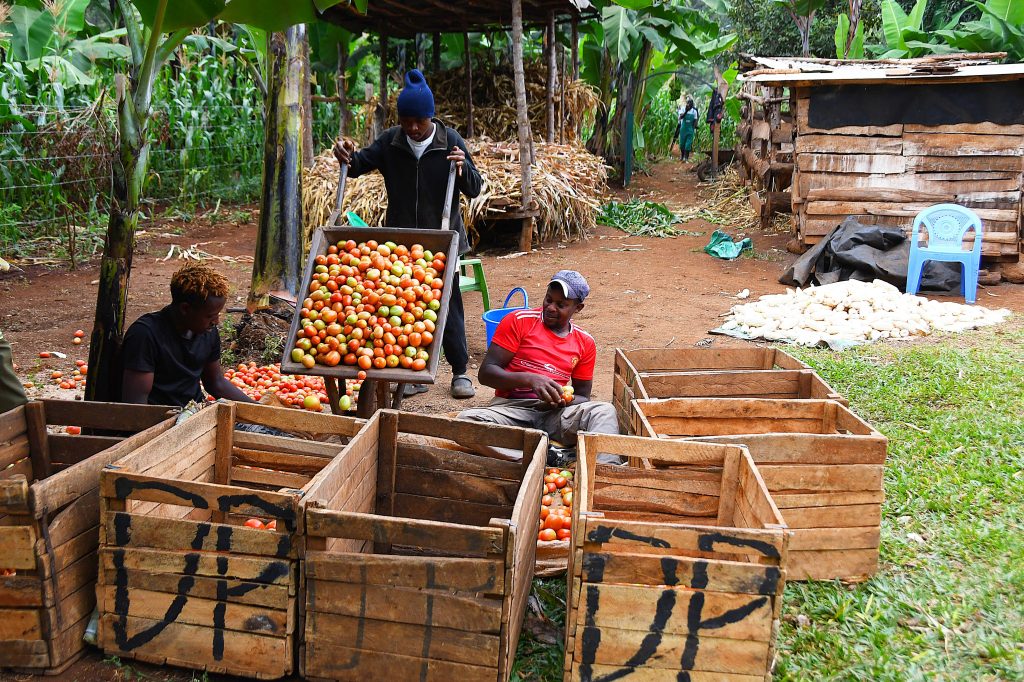
The PS noted that the government is promoting maximum utilisation of agricultural land through sustainable irrigation, improved labour productivity and efficient water resource management.
PS Kimotho explained that hydrological mapping is undertaken before project implementation to guarantee adequate and sustainable water availability for irrigation.
Additionally, he stressed that strong public participation, conducted through county governments and extension officers, ensures irrigation projects respond to the needs of local communities and remain sustainable.
Further, the PS encouraged farmers to organise themselves into cooperatives and Irrigation Water Users Associations, enabling them to access financing, training, markets, and effective operation and maintenance of irrigation infrastructure.
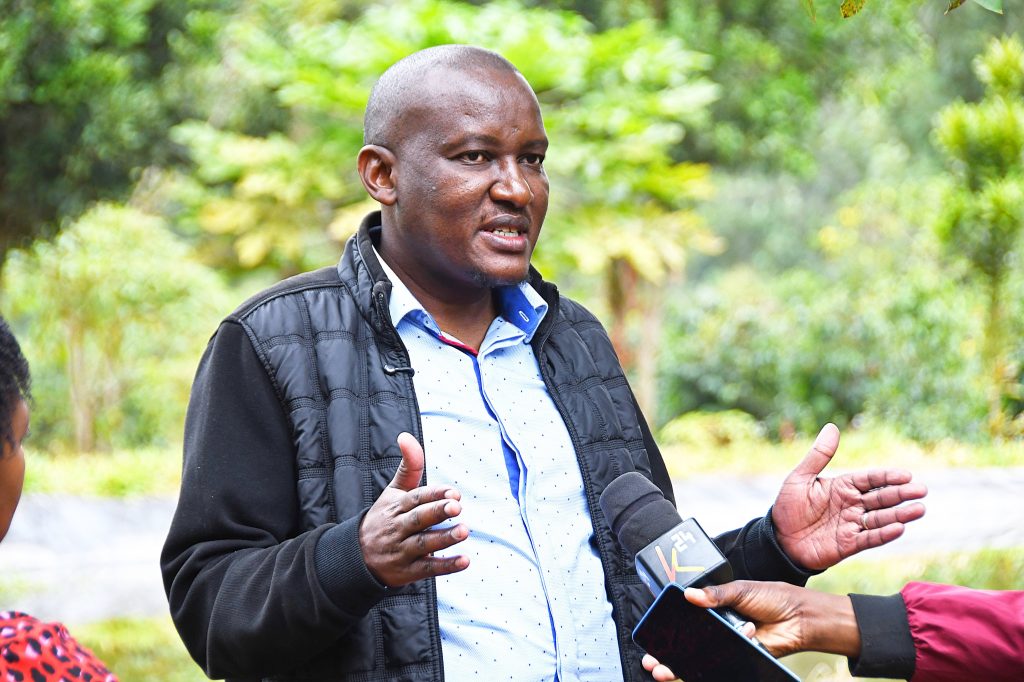
“Through partnerships involving the National Government, county governments and financial institutions, including Equity Bank, organised farmer groups can access affordable credit to invest in quality farm inputs such as certified seeds and modern irrigation technologies,” he said.
Similarly, he underscored the role county governments play by providing extension services, supporting farmer organisations and integrating irrigation initiatives into County Integrated Development Plans to ensure long-term sustainability.
“Continuous monitoring of project implementation through the National Irrigation Management Information System further strengthens project performance and accountability,” he noted.
The Principal Secretary reiterated that the Government’s broader goal is to expand the country’s irrigated acreage significantly as part of the national target of placing an additional 2.5 million acres under irrigation to boost agricultural production and food security.