Water sector stakeholders have called for the integration of climate preparedness into national water sector planning to strengthen the resilience of water utilities against climate-related disasters such as El Niño.
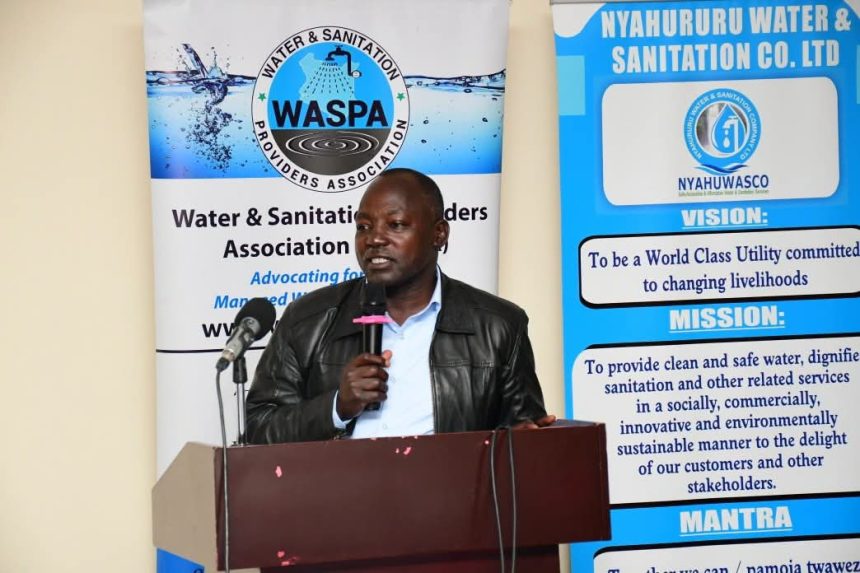
Speaking during a bi-monthly sector engagement by 97 Water Utilities Companies in Kenya, Laikipia Governor Joshua Irungu proposed that climate preparedness and sector resilience be made a key agenda item in engagements between the Water and Sanitation Providers Association (WASPA) and the Ministry of Water, Sanitation and Irrigation.

Governor Irungu said the move would foster a coordinated sector-wide approach that would enable water utilities to share best practices, identify areas requiring national support and engage development partners in mobilising resources for disaster preparedness.
He urged stakeholders to be proactive by developing strategies that would facilitate regular engagement with development partners to ensure water utilities receive adequate support before disasters occur.
Water Utilities of Kenya Chairman Tom Omondi said disaster preparedness has become a priority for water service providers, particularly with the anticipated El Niño rains.
Omondi noted that a majority of water utilities have already developed business continuity plans and are implementing measures such as increasing forest cover, protecting vulnerable infrastructure from erosion and installing early warning systems to monitor changes in raw water quality.
He said the interventions are aimed at ensuring uninterrupted water supply and maintaining water quality during extreme weather events.
Nyahururu Water and Sanitation Company (NYAHUWASCO) Managing Director Bernard Mwaura said the utility has partnered with the Laikipia County Government to strengthen the resilience of its infrastructure against climate-related risks.
He said the company has constructed silt traps near its raw water intake along River Ewaso-Ng’iro that pours into Nyahururu’s Thompson Falls in Nyahururu to prevent soil and debris from entering the treatment works during heavy rains.
Mwaura added that the utility has rehabilitated riverbanks through tree planting, mapped disaster-prone infrastructure and reinforced vulnerable pipeline sections to protect them from flood damage.
He also said government agencies are working to unclog drainage systems in Nyahururu town and its environs to minimise flooding and safeguard critical water infrastructure.
Meanwhile, WASPA Chief Executive Officer Anthony Njaramba called for reduced electricity tariffs for water service providers, saying high energy costs continue to strain the operations of many utilities.
Njaramba said some water companies spend nearly 50 per cent of their revenue on electricity bills and appealed to the Energy and Petroleum Regulatory Authority (EPRA) to introduce a dedicated tariff of KSh10 per kilowatt-hour for water utilities, similar to that offered for street lighting.
He also urged Kenya Power to implement the approved net metering policy to enable water utilities generating electricity from renewable sources to feed surplus power into the national grid and receive energy credits.
Njaramba emphasized that water supply is an essential public service and not a profit-making venture, calling on policymakers to enact laws that support affordable, reliable and sustainable water services for all Kenyans.