Experts from Africa, Russia, and Central Asia have called for more robust systems to measure the contribution of non-profit organisations to Africa’s development. They stressed that reliable data is crucial for strengthening civil society and informing public policy.
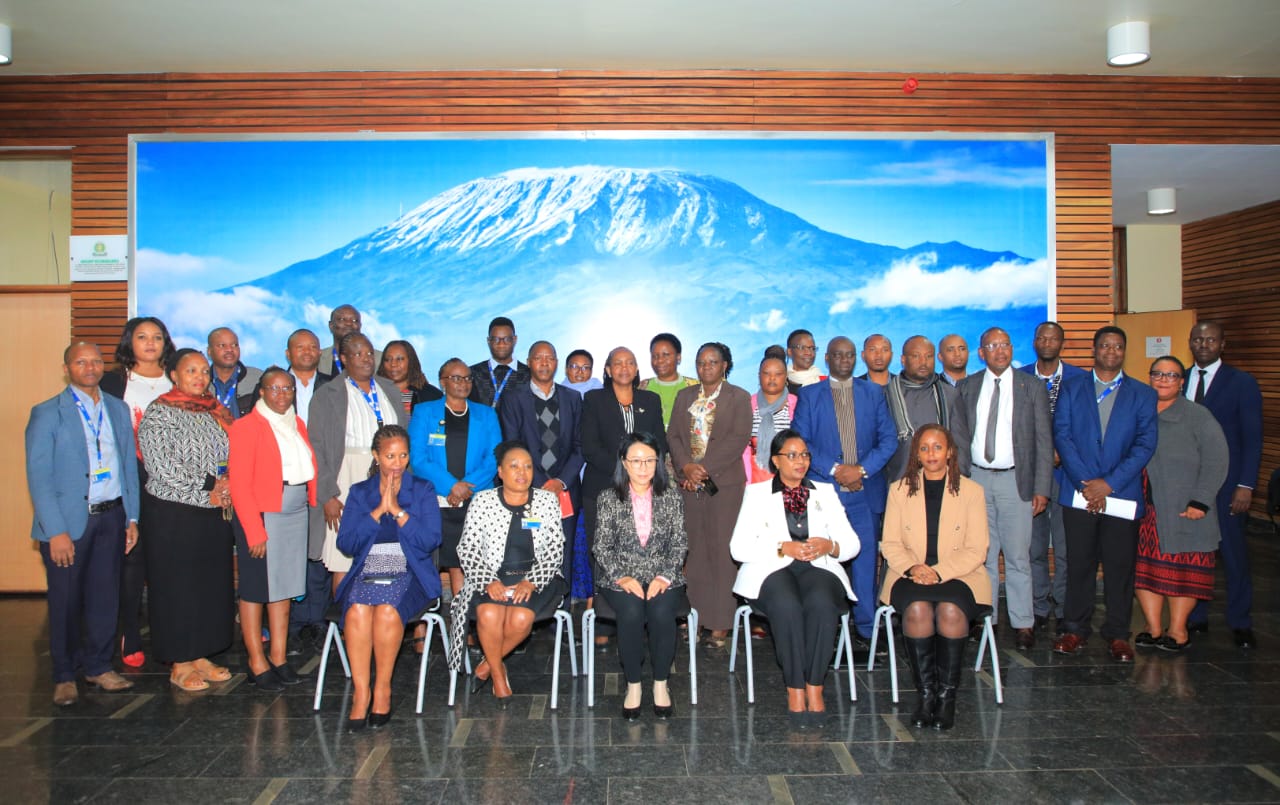
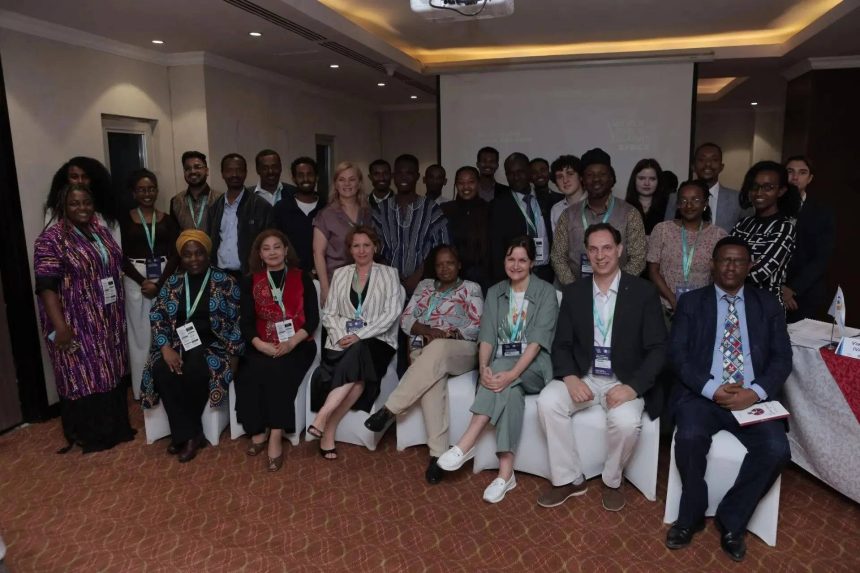
This call was made during a roundtable titled “NGOs in African Countries: The Invisible Force of Change,” held this week as part of the World Public Summit: Africa, themed “New World: Africa in Shaping a Shared Future.”

Organised by the World Peoples Assembly in partnership with the Centre for Civil Society and Non-profit Sector Research at HSE University, the meeting brought together government representatives, researchers, development experts, and civil society leaders. Discussions focused on the growing role of non-profit organisations in Africa’s socio-economic transformation.
Vyacheslav Ivanov, Chief Expert at the Centre for Civil Society and Non-profit Sector Research at HSE University and the discussion’s moderator, highlighted the lack of comprehensive data on non-profit organisations as a significant obstacle facing the sector.
“Today, one of the key challenges remains the insufficient study of the non-profit sector. Many countries lack comprehensive statistical data to objectively assess the scale of NGO activities, their economic contribution, their impact on addressing social issues, and their role in achieving national development goals,” Ivanov stated.
Participants noted that non-profit organisations are increasingly filling critical service gaps in areas such as education, healthcare, environmental conservation, social protection, youth development, and women’s empowerment, particularly where government institutions have limited reach.
John Aggrey, Director General of the Ghana-Russia Centre for Trade and Relations, affirmed that NGOs have become indispensable actors in Africa’s development.
“NGOs in Africa often operate in areas where government mechanisms are limited. This makes them key players in social transformation,” he said.
Deliberations at the roundtable focused on the imperative to establish modern statistical systems capable of accurately measuring the size, effectiveness, and socio-economic contribution of non-profit organisations across the continent.
Irina Mersiyanova, Director of the Centre for Civil Society and Non-profit Sector Research at HSE University, emphasised that evidence-based policymaking relies on credible and consistent data.
“Without systematic data, it is impossible to build an effective policy to support civil society. We must speak the language of measurable indicators,” she asserted.
Participants also examined Russia’s experience in monitoring civil society through HSE University’s research centre, which has conducted continuous studies of the non-profit sector since 2006.
They agreed that adapting proven research methods, while reflecting Africa’s diverse national contexts, could provide the foundation for a continent-wide methodology for studying civil society.
Anar Izden, Executive Director of Kazakhstan’s Qorqyt Public Foundation for International Cooperation and Development, stated that international collaboration would be essential to achieving this goal.
“International cooperation in this area not only allows for the exchange of experience but also helps shape universal approaches that account for regional specificities,” Izden explained.
The roundtable concluded with participants agreeing to establish an international working group. The group will develop a research methodology for non-profit organisations operating across African countries, combining Russian research experience with the unique social, economic, and institutional realities of individual African states.
Participants affirmed that stronger evaluation systems, improved transparency, and expanded international partnerships would enhance cooperation between governments, civil society organisations, and development partners, thereby boosting public trust and supporting sustainable development.
The recommendations adopted during the roundtable will be presented at the Second World Public Assembly, “New World: Values That Unite,” scheduled for September 2026 in Moscow, where they will contribute to broader international discussions on civil society development and public diplomacy.