For some Kenyan secondary school students, finishing school means more than joining college or finding work at home.
It can also mark the start of a journey abroad in search of what they see as a better life.
Images and videos on social media can make life overseas appear more prosperous, convincing some young people that better jobs, higher incomes, and easier opportunities await them outside Kenya.

At Ruai Girls, teacher Everlyne Amalemba observes that some students initially view migration as a route to what they call “greener pastures.”
“Most of the students used to believe that there are greener pastures, and therefore they believe that the moment I finish from home, having an opportunity, I’ll go out there, work, hustle, get money, and settle down,” Amalemba says.
She says lessons on migration help students question such assumptions by showing them the risks associated with irregular migration and the legal routes available to those seeking opportunities abroad.
The lessons form part of SAFE-MIT (A Shared Foundation to Protect Against Risks of Irregular Migration and Trafficking), an initiative designed to help young people recognize misinformation, trafficking risks, and illegal migration routes.
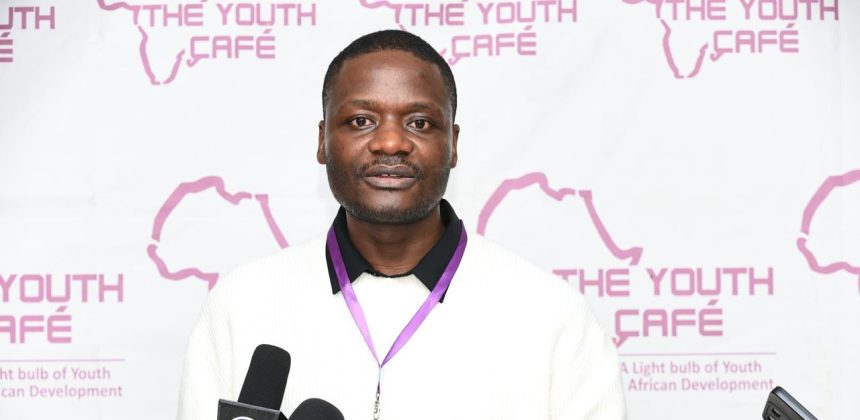
Speaking during the SAFE-MIT National Learning Event at the University of Nairobi,Youth Café (TYC) Executive Director Willice Onyango notes that social media can reinforce young people’s idealized view of life abroad.
“You see there’s the Instagrammable lives that can be portrayed on digital media, that can persuade young people to think that there are more opportunities abroad,” Onyango observes.
Onyango explains that the program uses classroom activities and an educational escape game to encourage students to question migration information rather than simply accepting what they see online.
“Before the training, they glorified moving abroad. After the training, they have a balanced view,” he notes.
SAFE-MIT has reached 28,625 students in 156 schools across Kenya and trained 306 teachers, according to project figures presented at the event.
The Youth Café, a Kenyan youth organization that works in areas including education, health, innovation, climate change, and governance, implements the project in partnership with Seefar Foundation.
The program uses an escape game that puts students aged 13 to 18 in simulated migration scenarios, requiring them to identify misinformation, understand the tactics used by smugglers and traffickers, and consider legal alternatives.
Amalemba says the games make the lessons more engaging and help students assess information for themselves.
The program also teaches students about the dangers of dealing with unregulated recruitment agents, including the risk of exploitation, drug trafficking, and commercial sexual exploitation.
Onyango says economic pressure, family expectations, and misinformation also influence young people’s migration decisions.
“One of the biggest misconceptions that we’ve seen is that there are no opportunities in Kenya. If I move abroad, I will be better off,” he notes.
He adds that recruitment agents can exploit these perceptions by promising young people jobs and better lives overseas without fully disclosing the risks or legal requirements.
The project has also taken its message to social media, where its Kenya campaign has reached more than 12 million people, according to figures presented at the event.
Onyango says the online campaign uses locally tested messages and partnerships with social media influencers to reach audiences beyond the classrooms.
Moses Kipkorir, a senior assistant secretary in the State Department for Immigration, warns that young people seeking opportunities after completing school can be misled by rumors about jobs and conditions abroad.
He urges young people to verify information before traveling and to understand the legal pathways for studying or working in another country.
SAFE-MIT is funded by the European Union (EU) and contracted by the International Centre for Migration Policy Development (ICMPD) through the MMD Grant Facility.
The project operates in four countries: Kenya, Morocco, Senegal, and Nigeria.
Onyango says The Youth Cafe hopes to expand migration education to more parts of Kenya, including Mombasa and border counties, and eventually reach all 47 counties.
He argues that migration education should go alongside efforts to create more opportunities for young people in Kenya.
For students who once saw migration mainly as a ticket to a better life, the lessons offer a different way of looking at what they encounter online and the choices they make about their future.