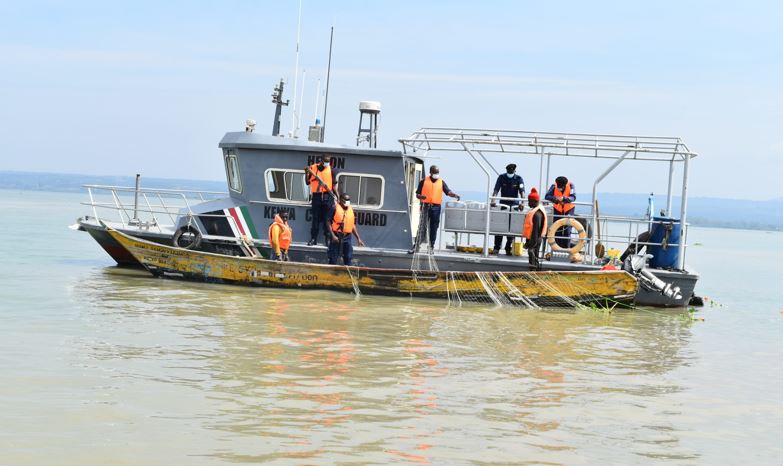
The Kenya Coast Guard Service (KCGS) has stepped up preparedness for potential flooding and other weather-related emergencies along Kenya’s coastline, lakes, and shared waterways.
The Ministry of Interior said the Service is progressively strengthening its operational readiness to respond to increased risks associated with heavy rainfall, rising water levels, strong currents, flash floods and rough sea conditions, particularly in areas with historically high vulnerability.

KCGS is currently undertaking pre-deployment and asset-readiness measures, including the inspection and servicing of patrol boats, inflatable rescue crafts, and life-saving equipment.
“Rescue vessels and response teams are being strategically positioned in high-risk areas ahead of the peak rainfall period, while fuel reserves, emergency rations, medical kits, and communication equipment have been secured and stockpiled to support sustained emergency operations”, the Ministry said in a statement.
To enhance situational awareness and enable rapid coordination, KCGS has established a dedicated Maritime Disaster Response Joint Operations Centre at its Headquarters in Mombasa. The Centre will provide 24-hour monitoring and maintain operational links with the National Disaster Operations Centre (NDOC) and the Kenya Meteorological Department, enabling timely sharing of weather, maritime and disaster-related information to guide response and deployment.
Priority Areas
Based on historical flood patterns and vulnerability assessments, the Service will concentrate personnel, vessels and other resources in the coastal and marine hotspots, as well as inland waterways.
Along the coast, particular attention will be given to the Tana River Delta and Garsen, where upstream runoff could result in severe flooding and disruption of key transport links; the Lamu Archipelago, where island communities depend heavily on water transport and face increased risks during rough seas; and Vanga and Shimoni in Kwale County, where low-lying estuarine areas are vulnerable to tidal surges and flash floods.
In Mombasa, Tudor and Port Reitz creeks will remain priority areas because of the exposure of settlements located adjacent to water basins to flooding and related hazards. KCGS will also maintain heightened preparedness around Kilifi Creek and the Sabaki River mouth, where increased river discharge could pose significant risks to communities and fishing vessels.
Inland waterways
In the inland waterways, heightened preparedness will cover the Lake Victoria Basin, particularly Kisumu, Homa Bay and Budalang’i, where rising water levels and backflow flooding could submerge landing sites and leave fishing boats and communities stranded.
Lake Baringo and Lake Bogoria will also remain priority areas amid the risk of rising water levels, which could threaten surrounding infrastructure, displace communities and increase the potential for human-wildlife conflict. At Lake Naivasha, preparedness will focus on potential flooding affecting lakeside agricultural infrastructure and small-scale fishing vessels.
Further north, KCGS will maintain readiness along the Turkwel River and Lake Turkana, where flash floods from surrounding highlands could endanger pastoralist communities and other populations living along the water banks.
Maritime Security Alert
A Maritime Security Alert to vessel operators has already been issued advising them to maintain proper communication equipment and adequate safety gear while at sea as the Service intensifies patrols ahead of the monsoon season.
“The advisory is intended to strengthen compliance with maritime safety requirements and reduce exposure to avoidable risks during adverse weather conditions”, it says.
Flood-rescue simulation drills
KCGS is also undertaking joint flood-rescue simulation drills with the Kenya Navy, Kenya Wildlife Service and local divers at Diani Beach. The exercises are testing interoperability, response procedures and the readiness of personnel and equipment to undertake coordinated search-and-rescue operations during flooding and other emergencies.
Since 2023, KCGS has responded to more than 1,500 maritime emergencies, including 424 rescue cases this year alone. During the floods that affected Ahero and Nyakach in March and April, KCGS officers evacuated 86 households, moved more than 200 livestock to safety, and rescued more than 300 people.
KCGS will continue to monitor conditions across the country’s maritime and inland waterways and progressively adjust its deployment in line with weather forecasts, emerging risks and the evolving situation.
The government urges members of the public, particularly communities living near rivers, lakes, the coastline and other water bodies, to remain vigilant, follow official weather and safety advisories, and avoid unnecessary movement on or near hazardous waterways during periods of severe weather.