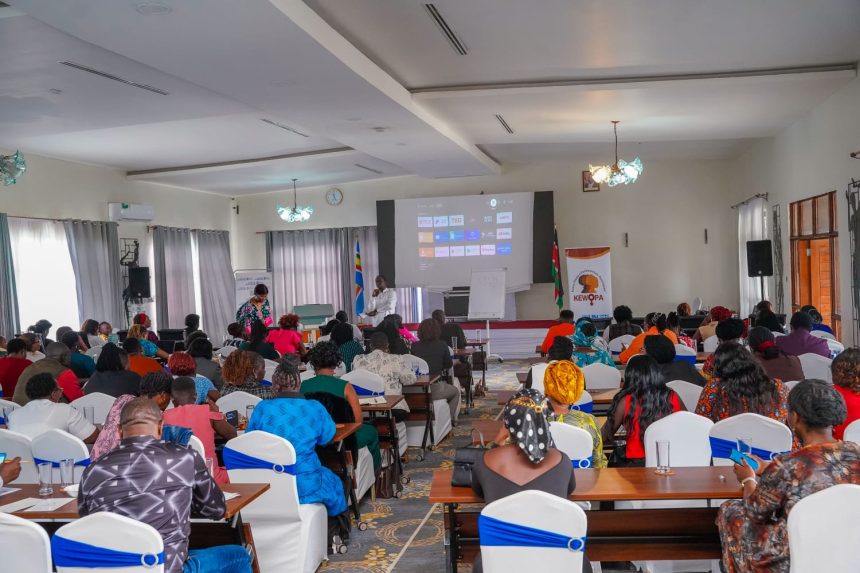
Women political aspirants from Vihiga, Siaya, Kakamega and Kisumu counties are stepping up preparations for the 2027 General Election.
The aspirants, eyeing various elective positions, including governor, senator, woman representative, Member of Parliament and Member of County Assembly, have undergone training on electoral processes, campaign financing, legal requirements and political participation.

The forum was organised by the Kenya Women Parliamentary Association (KEWOPA) in partnership with the Independent Electoral and Boundaries Commission (IEBC), UN Women and the Office of the Registrar of Political Parties (ORPP).
It addressed information gaps that often disadvantage women in the political arena, while preparing them to navigate electoral requirements and compete effectively for elective positions.
Speaking during the forum, John Mbatekwa, Acting Deputy Director of Elections Operations in Kisumu County, said the sensitisation was critical to familiarise aspirants with electoral timelines, qualification requirements, candidate registration procedures and campaign financing regulations.
Mbatekwa emphasised the importance of aspirants understanding their electoral areas, ensuring they are registered voters in the areas where they intend to contest, and complying with requirements set by IEBC and the Office of the Registrar of Political Parties (ORPP).
Breaking barriers
KEWOPA says the initiative is part of broader efforts to increase the number of women contesting and securing elective positions, particularly as the country continues to grapple with the implementation of the constitutional two-thirds gender principle.
Mercy Mwangi, executive director at KEWOPA said the organisation was working with different institutions to ensure women aspirants had access to information necessary for making informed decisions ahead of the elections.
She identified inadequate campaign financing, physical violence, online harassment, cultural barriers and limited support from political parties as some of the major obstacles confronting women seeking elective office.
Mwangi noted that the rising cost of political campaigns had made finances a significant barrier, with aspirants often facing pressure from voters to provide handouts.
She also raised concern over increasing online attacks targeting women in politics, including insults and harassment based on their physical appearance, family backgrounds and personal lives.
“There’s a lot of violence, both physically during the campaign trail, but we are also seeing a lot of online violence,” she said.
She called on political parties to create more opportunities for women to contest different positions and ensure that resources allocated to special interest groups benefit women, youth and persons with disabilities.