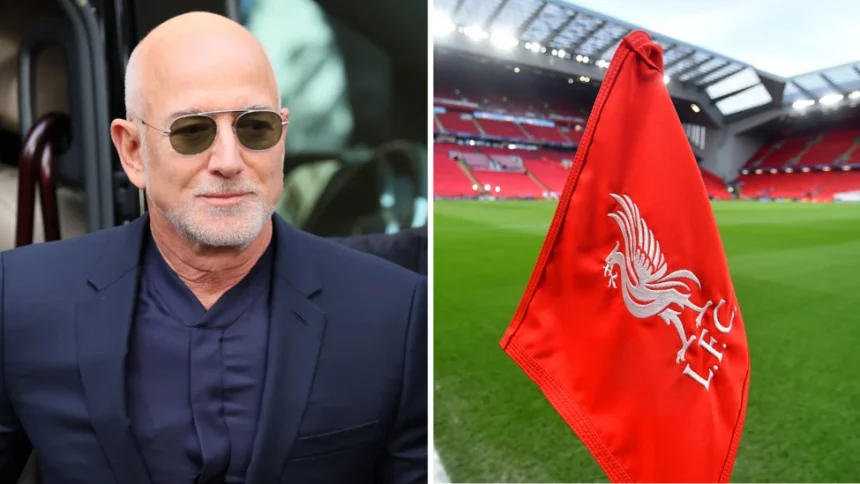
Amazon founder Jeff Bezos is reportedly on the verge of becoming a part-owner of Liverpool FC, as a high-profile investment group edges closer to finalising a deal for a significant stake in the Premier League giants.
According to Sky News, the consortium is being led by Amit Bhatia, son-in-law of steel magnate Lakshmi Mittal and a former shareholder in Championship side Queens Park Rangers.

Also part of the group is Facebook co-founder Eduardo Saverin. Fenway Sports Group, Liverpool’s controlling owner since 2010, is said to be preparing to announce the deal as early as this week, though the timeline could still slip.
Early reports suggested the group was targeting roughly a third of the club, though one source close to the negotiations indicated the final stake could end up slightly larger than that.
If the deal closes at the reported valuation of around £4.4 billion, it would rank among the largest transactions in the history of football club ownership, and would mark a dramatic increase in Liverpool’s worth since FSG bought the club for a fraction of that amount sixteen years ago.
Neither Liverpool nor FSG has commented publicly on the reports.
Bezos, whose fortune is estimated at more than $280 billion, has flirted with major sports ownership before, having explored possible bids for the NFL’s Seattle Seahawks and Washington Commanders before ultimately stepping back from both. This would mark his first confirmed foray into football ownership if the deal goes through.
The move comes at a pivotal moment for Liverpool, who are entering a period of transition following the departure of manager Arne Slot and star forward Mohamed Salah, despite having lifted the Premier League title just last year.
If finalised, the investment would give Liverpool fresh financial firepower as they look to keep pace with state-backed rivals like Manchester City and Newcastle United in an increasingly cutthroat era of Premier League spending.