
Government efforts to strengthen Kenya’s capacity in medical research and disease surveillance have received a major boost following the launch of a specialised cold-chain facility in Nairobi.
The Kenya Medical Research Institute (KEMRI), the national institution spearheading medical research, clinical trials and specialised laboratory testing, has hailed the facility as a significant milestone that underscores the critical role of cold-chain systems in healthcare, particularly in maintaining the integrity of biological materials.

The state-of-the-art depot is equipped with specialised storage facilities for vaccines, pharmaceuticals and other clinical trial materials requiring ultra-low temperatures of up to -150 degrees Celsius.
Speaking during the launch of the Bwosi Investments Limited Cold Chain Facility, established in partnership with Marken, a global clinical-trial logistics company owned by UPS, KEMRI Research Scientist Milkah Mwangi, who represented the Vice Chancellor, said the facility would strengthen the country’s preparedness for disease outbreaks.
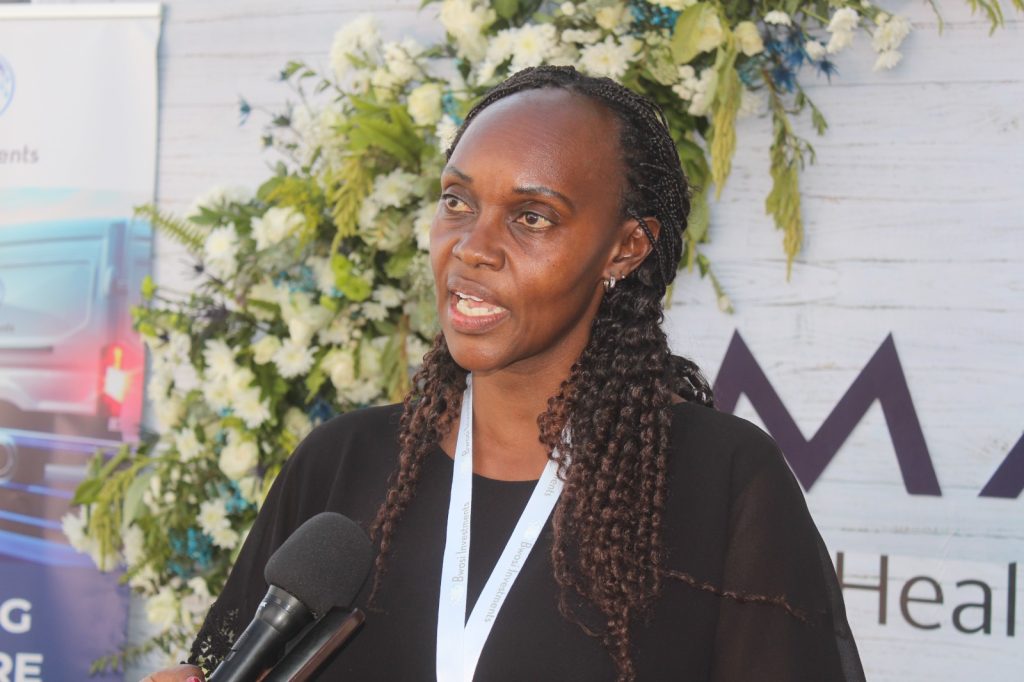
Mwangi said the facility, which will become the second in Kenya to manufacture dry ice, will enhance the country’s capacity to safely transport biological samples, especially during outbreaks, including diseases such as Ebola and mpox.
“To enhance our biological material integrity, we normally utilise dry ice for shipment of samples. This is because samples are shipped from different countries, basically for reference, diagnostics and different roles, including clinical studies that we do,” she said.
She added that having a reliable local source of dry ice would significantly improve KEMRI’s ability to transport samples from different parts of the country to diagnostic and research facilities.
“By having a source of dry ice, this actually helps the research institute in terms of shipment of samples. Even within the country, we are based in different parts of the country, but we have outbreaks occurring in different places, and so we need to ship biological materials from the point of collection to the diagnostic centre and research facility,” she said.
“This particular facility is therefore an important addition to our capacity, especially in supporting sample transportation from sites beyond Nairobi where access to cold-chain infrastructure remains a challenge”, she points out.
Bwosi Kenya Limited Cold Chain Facility Group Managing Director Rogers Bwosi said the facility meets internationally recognised standards and complies with relevant World Health Organization (WHO) requirements, positioning it to support efficient and reliable end-to-end supply chain logistics for pharmaceuticals and clinical trials, Innovative Medicinal Products (IMPs).

“Today, we are officially opening our Kenya headquarters because we needed a dedicated facility to expand our support for medical research. Initially, our operations focused mainly on sample collection, limited storage and transportation,” he told journalists.
“However, together with Marken and our partners, we now want to support medical research on a much larger scale. We have therefore established a depot where we can store pharmaceutical products used in clinical trials, commonly referred to as investigational medicinal products (IMPs), as well as other materials such as testing kits,” he said.
Bwosi said storing clinical-trial materials locally would ensure they are readily available when needed, while reducing delays associated with importing supplies.
“These products can be stored locally and distributed to clinical trial sites when required. This will significantly shorten lead times because products will no longer have to be shipped from Europe or other countries every time they are needed. Having them available locally will make the supply chain more efficient and responsive,” he said.
Through the initiative, Bwosi Investments is currently supporting leading research institutions, including KEMRI, the Kenya Medical Research Institute; Victoria Biomedical Research Institute (VIBRI); Strathmore University; KAVI; Moi Teaching and Referral Hospital; Kenyatta University; and other stakeholders advancing medical research in the region.
Marken Head of Logistics, Africa, Jean-Luc Tabiou, said the company, which operates in almost every country globally, considered Kenya an important market given its leadership in healthcare research and innovation.
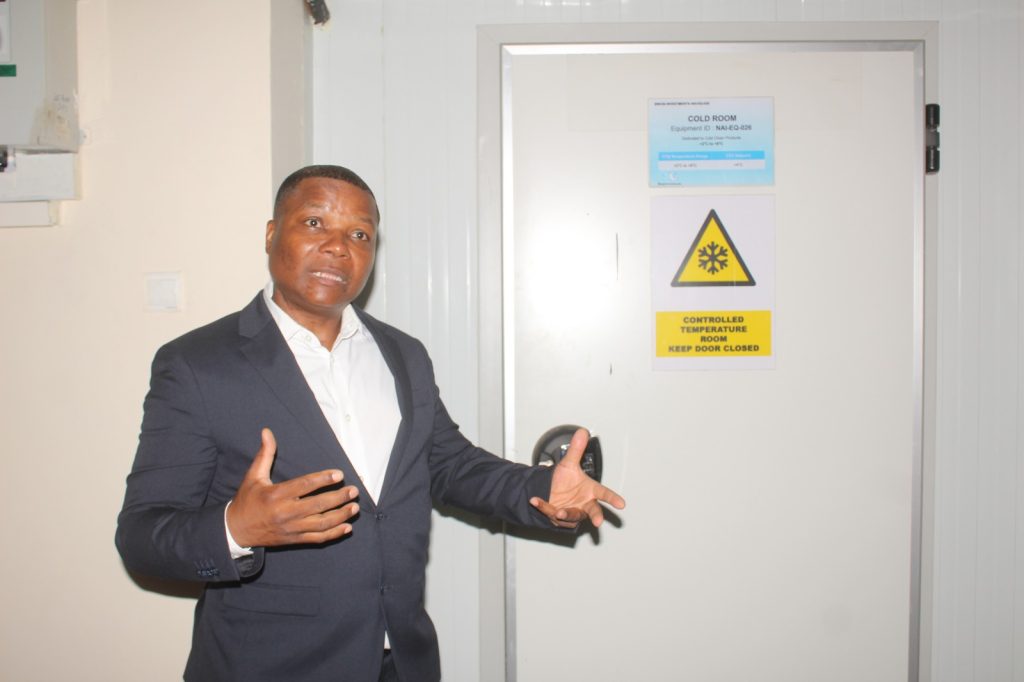
He said the facility was timely in addressing a gap in the market, particularly the need for reliable storage of pharmaceutical products used in clinical research.
“Our clients were asking for reliable storage facilities for their products, and we identified an opportunity to address that need. Our presence in Kenya is largely driven by the needs of our clients. We go where our clients operate, and Kenya is a very active and highly developed country in Africa, particularly in the healthcare sector,” he said.
“Kenya is a leader in healthcare on the continent, with a significant number of clinical trials and related healthcare activities taking place here. This creates a strong demand for specialised logistics and cold-chain services, which is why we felt it was important to establish our presence in the country,” he added.
Marken is the world’s leading medical logistics company, providing specialised supply chain solutions for clinical research, cell and gene therapies, and pharmaceutical products worldwide.