China’s economy expanded by 4.6 per cent year-on-year in the first nine months of 2026. This growth was bolstered by an expanding high-tech manufacturing sector, resilient foreign trade, and a growing services sector.
According to data released by the National Bureau of Statistics (NBS) this week, Gross Domestic Product (GDP) reached approximately 107.11 trillion yuan (about 15.94 trillion U.S. dollars) between January and September.

The economy grew by 4.5 per cent in the third quarter, an acceleration from 4.3 per cent in the second quarter. This improvement was attributed to new growth drivers and policy support, which helped sustain economic activity despite domestic and external challenges.
The performance keeps the world’s second-largest economy on track to achieve its 2026 growth target of 4.5 to 5 per cent. In the first half of the year, the economy had grown by 4.7 per cent year-on-year.
“The national economy forged ahead against pressure and continued to shift toward innovation-driven, high-quality development, with growing positive changes in major indicators,” the NBS said.
Industrial production remained a significant contributor to economic expansion, with value-added industrial output among major enterprises increasing by 5.3 per cent year-on-year in the first three quarters.
Equipment manufacturing saw a 10.2 per cent rise, while high-tech manufacturing expanded by 14.3 per cent, reflecting the increasing contribution of advanced industries to China’s economic structure.
Specific high-tech outputs surged, with 3D printing equipment increasing by 62.5 per cent, lithium-ion batteries by 39.5 per cent, and industrial robots by 29.1 per cent.
New growth drivers accounted for over 40 per cent of economic growth during this period, as per reported data, highlighting the importance of technological innovation and industrial upgrading.
The services sector also maintained steady expansion, growing by 5.2 per cent year-on-year. Leasing and business services increased by 12.3 per cent, while information transmission, software, and information technology services expanded by 10.4 per cent. Financial services grew by 5.8 per cent, and accommodation and catering rose by 5.5 per cent.
Investment in innovation-related activities showed comparative resilience. Investment in intellectual property products increased by 9.3 per cent, while investment in high-tech industries rose by 4.9 per cent.
These developments reflect Beijing’s strategic efforts to transition the economy towards higher-value production, technological innovation, and more sophisticated services.
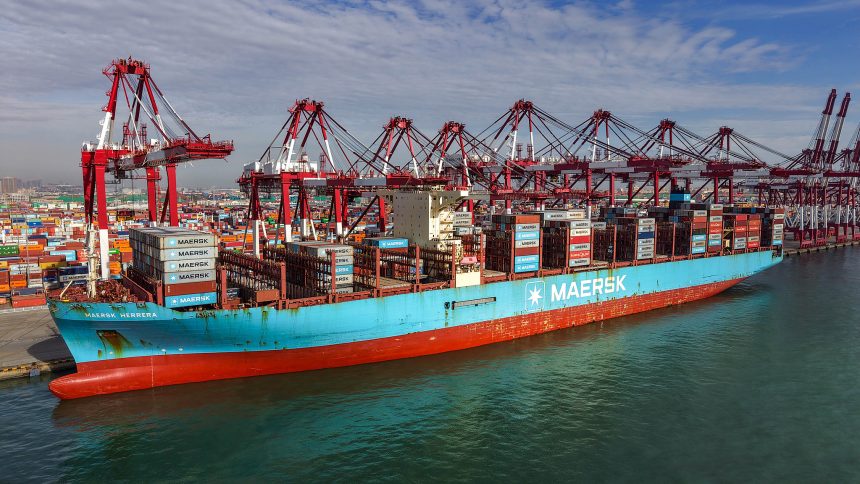
Foreign trade provided another crucial source of momentum. China’s goods imports and exports increased by 18.8 per cent year-on-year, reaching approximately 39.94 trillion yuan during the first nine months.
Trade with countries participating in the Belt and Road Initiative grew by 17.1 per cent. Exports of mechanical and electrical products increased by 23.7 per cent, accounting for 64.3 per cent of total exports.
Intermediate goods also represented over half of all exports, reinforcing China’s integral role in international manufacturing networks and global supply chains.
Foreign-invested enterprises recorded combined imports and exports of 11.69 trillion yuan, marking a 19 per cent increase and a record for the same period, according to the reported figures. Their exports of high-tech products rose by 42.1 per cent.
Chinese manufacturers are also expanding their international presence. Robotics producer EFORT Intelligent Robot Co., Ltd. reported overseas revenue growth of over 50 per cent in the first half of 2026, driven by demand for industrial automation equipment.
China’s expanding industrial capabilities and export networks continue to create opportunities for international businesses, even amidst uncertain global trade conditions.
Despite the stronger industrial and trade performance, domestic consumption showed a more moderate recovery.
Total retail sales of consumer goods increased by 2.6 per cent year-on-year during the January-September period. In September, retail sales grew by 1.1 per cent, accelerating by 0.7 percentage points from August.
Offline consumption payments also improved, rising by 2.6 per cent year-on-year in the third quarter, an acceleration of 0.7 percentage points from the previous quarter, according to the State Information Center.
The surveyed urban unemployment rate edged down to 5.2 per cent in September, while industrial output grew by 5.5 per cent year-on-year, indicating some improvement in economic activity.
China is expected to intensify efforts to expand domestic demand, enhance industrial supply, and strengthen macroeconomic policy support as it seeks to maintain growth in the final quarter.