Civil society organizations are expressing concerns about Kenya’s sluggish implementation of its 12 national commitments on gender-based violence (GBV), as the June 2026 deadline approaches.
The commitments, established in 2021 during the Generation Equality Forum, align Kenya with the global GBV Action Coalition and include pledges to enhance prevention, improve survivor-centered services, ensure access to justice, secure financing, and uphold accountability.
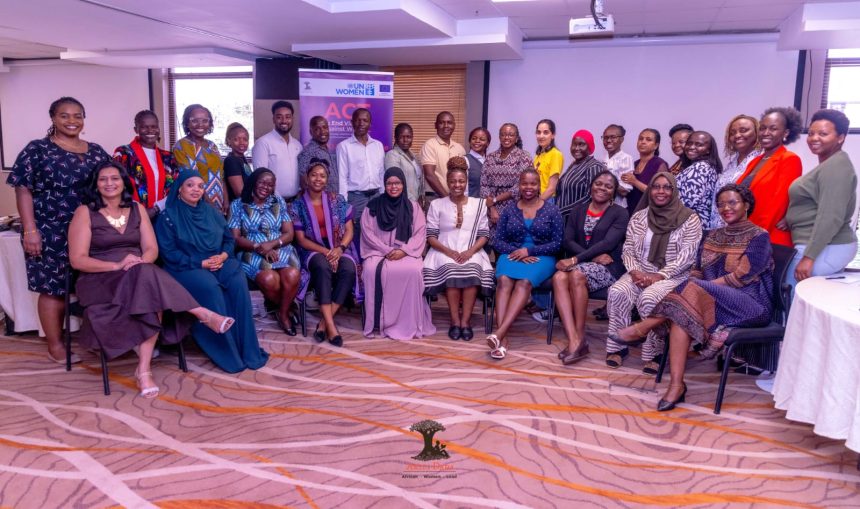
In response, Akili Dada, with support from UN Women, organized a multi-stakeholder workshop in Nairobi to assess progress and recommend urgent corrective measures. Participants from East and Southern Africa highlighted inconsistent implementation, citing weak coordination among institutions, limited domestic funding, and transparency gaps.
Marjory Githure, head of programmes at Akili Dada, pointed out the lack of a public national progress report detailing achievements and challenges across all 12 commitments, which has hindered oversight and accountability. Funding for GBV prevention and response remains a significant challenge, with many programs still dependent on donor assistance, while county governments struggle to maintain shelters, counseling services, and legal aid for survivors.
The workshop issued key recommendations, including the publication of a national progress audit, dedicated funding at both national and county levels, improved data systems, expanded survivor-centered services, and meaningful inclusion of feminist organizations and survivor voices in decision-making.
Civil society groups warned that without prompt action, Kenya risks failing to fulfill its commitments to protect women and girls from violence.