Kenya has launched the data collection phase of its first national study on disability-inclusive early childhood development, in a move expected to strengthen access to critical services for children living with disabilities.
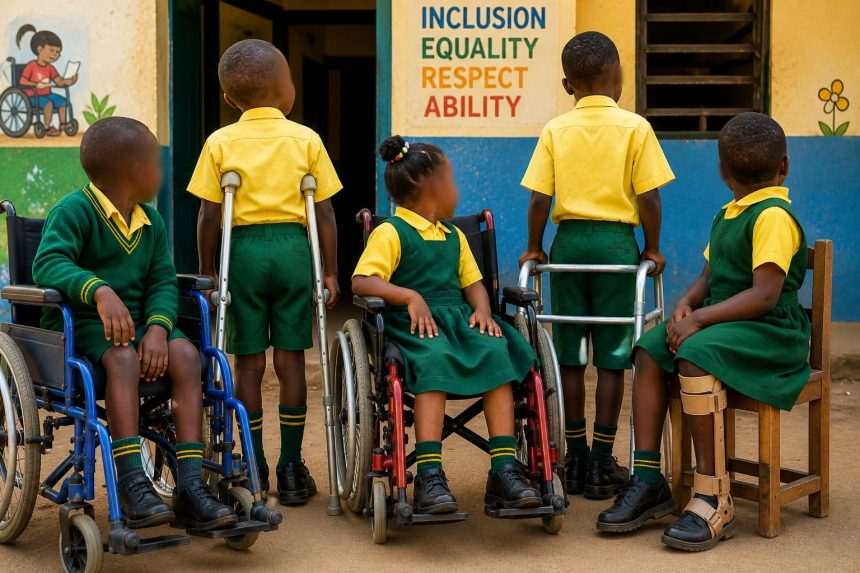
The study, spearheaded by The Action Foundation (TAF) in collaboration with government agencies and research institutions, seeks to address the challenges facing more than 1.3 million children under the age of eight who are unable to access essential healthcare, education, rehabilitation and social support services.

The initiative falls under the Disability-Inclusive Early Childhood Development (DIECD) programme, which will run from 2025 to 2030. The programme aims to improve access to healthcare, nutrition, rehabilitation, assistive technology, inclusive education and social protection, while ensuring children with disabilities are fully integrated into society alongside their peers.
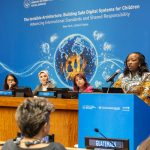
Speaking during the launch, TAF Director of Programmes Stephen Ikonya said the study would provide the reliable data needed to guide policy decisions, planning and funding for disability-inclusive services.
“Without credible and nationally representative data, children with disabilities remain invisible in planning and budgeting processes,” said Ikonya. “Without that visibility, disability-inclusive early childhood development risks remaining an aspiration instead of a funded and coordinated public service.”
According to TAF, systemic barriers continue to lock many children with disabilities out of basic services despite existing solutions.
“This is not because solutions are lacking,” Ikonya noted. “The problem is that systems have not been intentionally designed to reach these children.”
The baseline study is expected to generate detailed information on the needs, living conditions and financial cost of supporting children with disabilities. The findings will help both national and county governments develop more inclusive policies and allocate resources effectively.
The project is being implemented in partnership with key institutions, including the Ministry of Health, Ministry of Education, Ministry of Labour and Social Protection, Kenya National Bureau of Statistics (KNBS), Kenya Institute for Public Policy Research and Analysis (KIPPRA), National Council for Persons with Disabilities (NCPWD), and the National Gender and Equality Commission (NGEC).