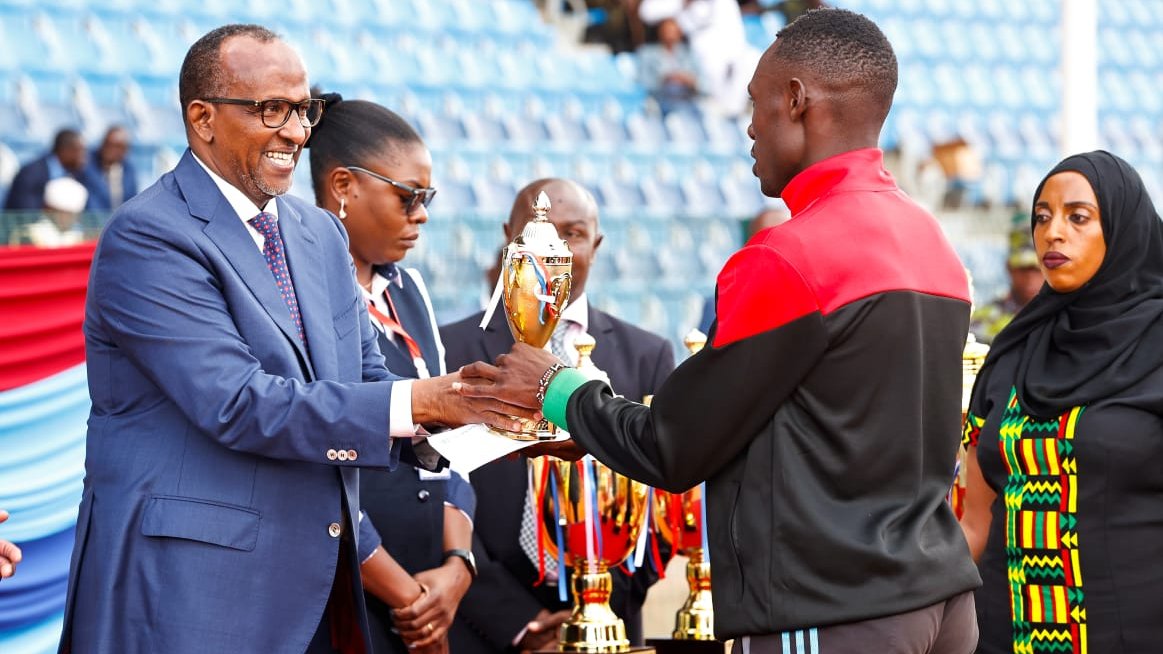
The government has rolled out a new cash reward scheme for Kenyan medalist athletes in major international sports events.
According to the Cabinet Secretary for Youth Affairs, the Creative Economy and Sports, Salim Mvurya, the move is aimed at boosting performance, motivation,and career sustainability.
Mvurya noted that the move, backed by the recently reviewed National Sports Policy, approved by the Salaries and Remuneration Commission (SRC) in April 2025,is aimed at aligning athlete compensation and support with emerging demands and modern standards of living.
Under the new guidelines, gold medalists at the Olympic and Paralympic Games will receive Ksh. 3 million, up from the previous Ksh. 750,000.
Silver medalists will now be awarded Ksh. 2 million, a significant increase from Ksh. 500,000, while bronze medalists will earn Ksh. 1 million, up from the earlier Ksh. 350,000.
Commonwealth Games gold medal winners will now receive KES 2.5 million, a substantial rise from Ksh. 500,000, while silver medallists will earn Ksh. 1.5 million,up from Ksh. 300,000,and bronze medallists will get Ksh. 1 million, up from Ksh. 200,000.
“Our athletes continue to elevate Kenya’s global profile through unmatched excellence. As a government, we are not just clapping for them; we are investing in them,” said CS Mvurya.
The CS also announced that the government will allocate Ksh. 70 million in compensation to performing athletes who were overlooked or not formally recognised in past competitions a move, he said, is both corrective and symbolic gesture that signals a new era of fairness, inclusivity, and respect for the men and women who have flown Kenya’s flag high, regardless of the era in which they competed.
“This is about justice, dignity, and acknowledging the sacrifices and victories of every Kenyan athlete.” stated the CS
The revamped package also includes expanded medical coverage, scholarships pathways for athletes, post-career transition programmes, and strengthened partnerships with federations for accountability and transparency.