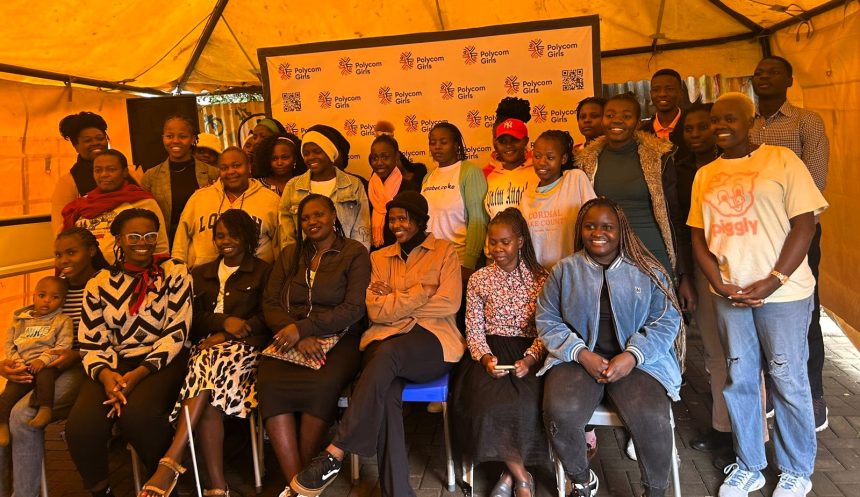
More than 40 adolescent girls and young women, aged 15 to 25, gathered for a community podcast listening session aimed at enhancing intergenerational leadership in anticipation of tomorrow’s International Women’s Day on March 8th.
Organizers state that the program’s goal is to ensure that seasoned women leaders mentor younger women, providing them with the knowledge, leadership skills, and confidence needed to tackle challenges within their communities.
Taking place on the eve of International Women’s Day, the half-day event united young women, mentors, and feminist leaders under the theme “Give To Gain — Listening, Learning, and Leading Across Generations.”
The event turned feminist storytelling into a vibrant platform for grassroots political education, dialogue, and leadership development. Participants collectively listened to selected episodes from “Passing the Baton Season 1,” a podcast series that chronicles the experiences, struggles, and leadership journeys of veteran feminists.
”The gathering transformed feminist storytelling into a dynamic space for grassroots political education, dialogue,and leadership development.Participants collectively listened to selected episodes from Passing the Baton Season1, a podcast series documenting the experiences, struggles, and leadership journeys of seasoned feminists.
Through guided discussions and reflections, the young women explored how these stories connect to contemporary realities affecting women and girls in their communities.
At the core of the initiative is the leadership concept of “Passing the Baton.
” Organisers described it as the intentional transfer of knowledge, responsibility, mentorship, and opportunity from one generation to another.While the platform centres women’s experiences, the philosophy is universal.
Sustainable leadership in communities, institutions, and movements depends on preparing future generations to continue the work.“Passing the baton is not just about women and girls,” organisers explained during the session.
“It is about how leadership everywhere should function —ensuring that experience, lessons, and opportunities are shared so that progress continues across generations.”Key Conversations: Two podcast episodes formed the basis of the day’s discussions:
Episode 1: Why Violence Against Women examined the growing threat of technology-facilitated gender-based violence (TFGBV), including the non-consensual sharing of intimate images online.
Participants discussed the risks young women face in digital spaces and the need for stronger awareness, legal protection, and accountability.
The discussion resonated strongly in light of recent public conversations in Kenya about cases involving the alleged recording and distribution of intimate content without consent, which have sparked national concern about online safety and justice.
Episode 2: Women and Financial Independence explored the importance of economic empowerment as a foundation for dignity, autonomy, and stronger participation in leadership and decision-making.
Young women reflected on the economic challenges faced in informal settlements and how financial independence can transform their opportunities.
The event redefined feminist storytelling as a vibrant platform for grassroots political education, dialogue, and leadership cultivation.
Attendees collectively engaged with episodes from the first season of “Passing the Baton,” a podcast series chronicling the experiences, challenges, and leadership paths of experienced feminists.
Through structured discussions and reflections, the young women examined how these narratives relate to the current issues impacting women and girls in their communities.
Central to the initiative is the leadership concept of “Passing the Baton,” which organisers described as the deliberate transfer of knowledge, responsibility, mentorship, and opportunity from one generation to the next.
Although the platform emphasises women’s experiences, the philosophy is universally applicable.
Sustainable leadership in communities, institutions, and movements relies on equipping future generations to carry on the work. “Passing the baton is not solely about women and girls,” organisers noted during the session. “It is about how leadership should operate universally—ensuring that experience, lessons, and opportunities are shared to maintain progress across generations.”
Key Discussions
The day’s discussions were anchored by two podcast episodes:
Episode 1: “Why Violence Against Women” delved into the escalating threat of technology-facilitated gender-based violence (TFGBV), including the unauthorised sharing of intimate images online.
Participants explored the dangers young women face in digital environments and the necessity for heightened awareness, legal safeguards, and accountability.
This conversation was particularly relevant given recent public debates in Kenya concerning cases of alleged recording and distribution of intimate content without consent, which have raised national concerns about online safety and justice.
Episode 2: “Women and Financial Independence” investigated the significance of economic empowerment as a cornerstone for dignity, autonomy, and enhanced participation in leadership and decision-making.
Young women contemplated the economic hurdles encountered in informal settlements and how financial independence can revolutionise their prospects.
Through small-group discussions, collective reflection, and a cross-generational dialogue circle, participants linked the podcast stories to their own lived experiences and aspirations.
Empowering Leadership Through Mentorship. The event unveiled the Trio-Tier Mentorship Programme, crafted to connect veteran feminist leaders, professionals in mid-career stages, and budding young leaders.
Brenda Kalekye, a Board Member at Polycom Girls, stressed the importance of investing in young women today to cultivate robust communities in the future. “Passing the baton signifies trust in the next generation,” Kalekye remarked. “By enabling girls to further their education, initiate businesses, or step into leadership roles, we are crafting the future we aspire to see. Leadership is not about clinging to positions indefinitely; it is about preparing others to continue the journey.”
She observed that many women and girls at the grassroots level require someone to believe in their potential and assist them in seizing opportunities.
Bringing Feminist Knowledge Back to Communities-Alphaline Yogo, Programme Officer at Polycom Girls, described the series as a means to deliver feminist stories and insights directly to communities. “Many of these compelling stories are confined to books or conferences,” Yogo noted. “Our goal is for communities to listen, reflect, and connect these experiences to their own lives.”
She explained that this initiative is the third phase of the Passing the Baton programme. Previous phases involved live dialogues among feminist leaders and later digital storytelling through videos and podcasts.
“This phase focuses on bringing those stories back to the grassroots,” she elaborated. “When women hear these experiences, they realise they are not alone. These conversations help women shift from worrying about issues to organizing around solutions.”
Organisers stressed that the primary goal of the initiative is to ensure the continuity of leadership across generations.
The core message of Passing the Baton serves as a reminder to leaders worldwide that genuine progress is sustained not by holding onto power indefinitely, but by mentoring, empowering, and trusting the next generation to advance the work.
Passing the Baton is a feminist memory and leadership initiative under the HERSTORY Platform, aimed at documenting and activating intergenerational feminist knowledge at the grassroots level in Kenya.
Through storytelling, mentorship, and community engagement, the platform bolsters leadership, preserves feminist history, and inspires collective action for gender justice.