Kenya is set to host the first Diversity and Inclusion Conference aimed at addressing the systemic knowledge gaps that have perennially affected People Living with Disabilities (PWDs) in the country.
The Disability, the Bible and the Church conference scheduled to take place in May is anchored by Hope Mobility Kenya – a charitable organization that fabricates and distributes custom-made mobility devices in Kenya and the region.
It will bring together policymakers, faith leaders and stakeholders from both the public and private sectors to chart a more coordinated and practical path towards a socially and economic inclusive society.
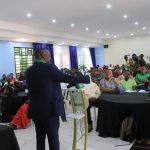
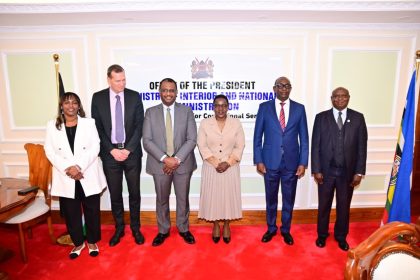
Speaking during a media engagement in Nairobi, Hope Mobility Founder Michael Panther said the upcoming conference aims to lead the national conversation that will shift the PWDs narrative from compliance to meaningful inclusion.
“We are happy to be bringing the first diversity and inclusion conference to Kenya which will put an emphasis on the need for strengthening policy and institutional frameworks that will break the ground for governments, institutions and communities to create a conducive environments for PWDs in the country and reduce stigma and segregation from those they depend on. This can only be achieved through facilitation of evidence based dialogue and sectoral collaborations.
“We want to encourage institutions such as the churches to steer the wheel in ensuring that PWDs are viewed as valuable, contributing members of the community, ensuring that no one is left behind,” he said.
While Kenya has made notable strides in ensuring social inclusion through disability rights advocacy and policy development, implementation gaps are evident.
“Lack of awareness, accessibility challenges and stereotypical attitudes and biases amongst communities and institutions have remained the greatest hurdles that derail full integration of PWDs into mainstream programmes and leadership structures”, the organization observed.
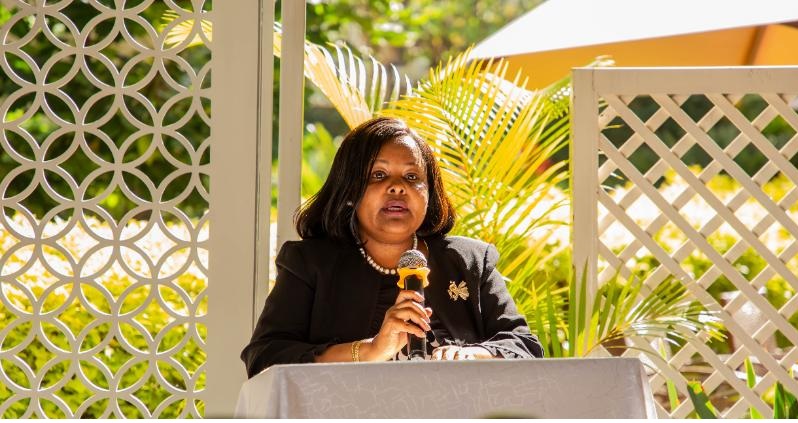
The Secretary to the Cabinet Mercy Wanjau who was the keynote speaker emphasized the need for a mindset shift, saying it forms the basis of influence on how leaders and people in the community treat persons living with disabilities.
She added that with the passing of the Persons with Disability, 2025 it was high time that the country takes an inclusion lead for PWDs in the country’s economy and politics.
“We cannot legislate our way to full inclusion. A law can mandate a ramp, but it cannot mandate dignity. A policy can require accessible services, but it cannot change the way people look and treat a child with cerebral palsy or a deaf person. Only culture and attitudinal changes can do that. As a society, we have a responsibility to influence individual attitudes towards PWDs and replicate it to communities and the societies we live in. It is high time that we move from dialogue to intentional action,” she said.
Kenya has an estimated 918,000 Kenyans living with documented disability – a figure that underrepresents the true population. Globally, the World Health Organization estimates that 1.3 billion people live with significant disability.
“Institutions such as the church and the communities cannot be peripheral actors on the road to inclusivity and the government cannot act alone to ensure that all people are well represented across board. It is a collective duty to lead the conservation, regardless of our office we hold or the jobs we do to ensure that everyone is included at the table. It begins with treating PWDs like human beings – with dignity and respect,” she added.