A new continental advisory council has been established to scrutinise artificial intelligence (AI) policies and their impact on public participation, cultural representation and democratic processes in Africa, ahead of Kenya’s 2027 General Election.
The Africa Public Interest AI Council (APiAC), convened by the Samawati Collective with support from the Open Society Foundations, will assess whether AI development serves the interests of ordinary Africans as governments across the continent formulate policies to regulate the technology.

The council brings together six experts drawn from journalism, AI governance, language technology, data infrastructure, open technology and financial technology. Its work will include commissioning research, convening public discussions, issuing policy advisories to governments and other councils, and providing recommendations on philanthropic investment priorities.
Kenya’s electoral environment is among the areas of concern, with young people aged 18 to 34 accounting for approximately 40 per cent of registered voters.
Trust Lab researchers identified 17 major coordinated disinformation campaigns in 2025, while an Anthropic report on AI misuse documented the removal of an account used by one actor to mass-produce Kenyan political content.
The developments raise concerns about the use of AI to generate political content at scale and influence public discourse ahead of the 2027 polls.
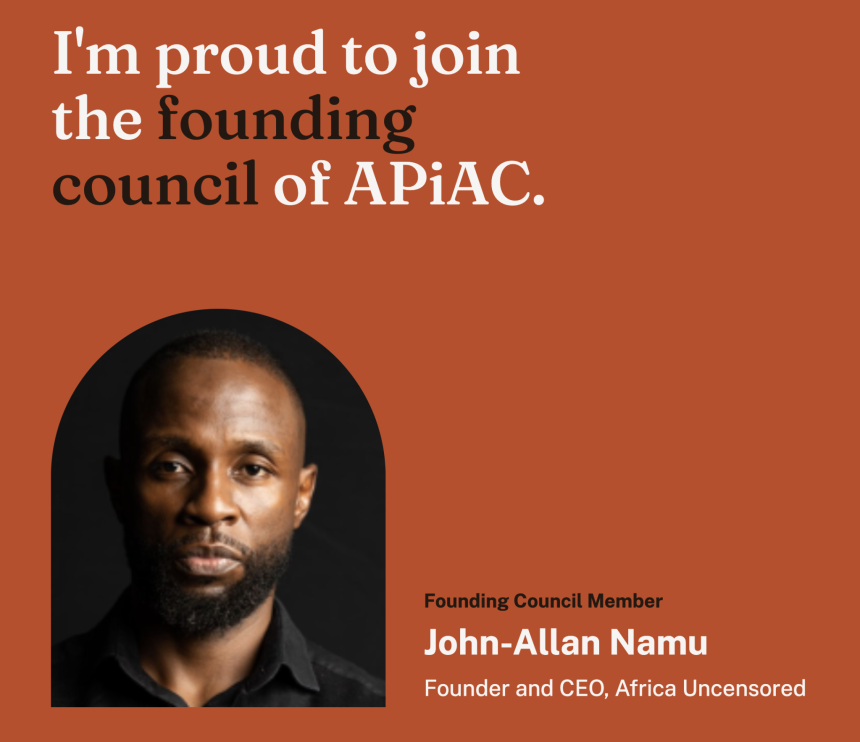
John-Allan Namu, founder and journalist at Africa Uncensored, said newsrooms needed to scrutinise the algorithms shaping the information voters receive before the next election.
“My job is to ask who holds power and who answers for it. Those questions now apply to algorithms that shape what voters see. Newsrooms need to be asking them before 2027, not after,” Namu said.

The council’s formation comes as African governments develop national AI frameworks under the African Union’s Continental AI Strategy, adopted in July 2024. The strategy’s first implementation phase covers 2025 to 2026, with a midterm review scheduled for 2027.
However, the continent continues to face gaps in AI infrastructure, policy development and language representation.
Data from the Africa Data Centres Association and the World Economic Forum indicate that Africa accounts for approximately 0.6 per cent of global data centre capacity, compared with nearly 45 per cent in the United States, despite being home to about 18 per cent of the world’s population.
A 2025 study of major language models also found that only 42 of Africa’s roughly 2,000 languages were supported, with consistent coverage limited to Amharic, Swahili, Afrikaans and Malagasy.
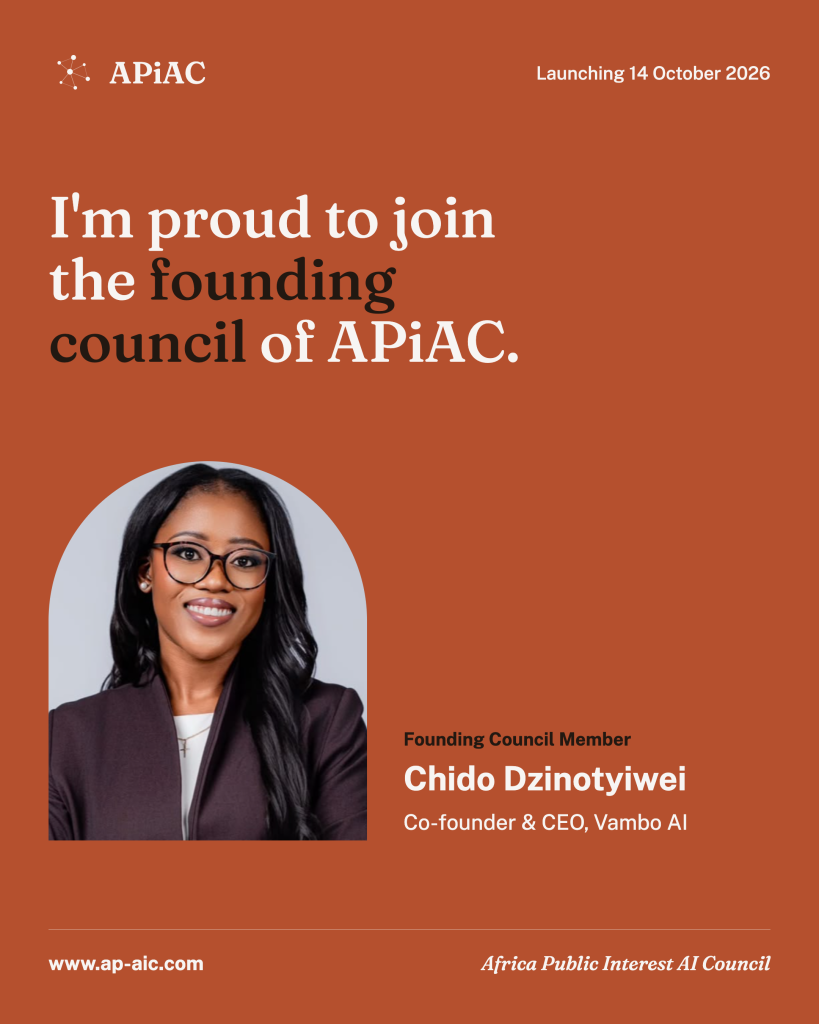
Chido Dzinotyiwei, co-founder and chief executive officer of Vambo AI, said the limited representation of African languages risked excluding communities from the benefits of AI.
“If a model can’t follow how people actually speak, it isn’t serving them, however advanced it is. That has to be a design decision from the start,” Dzinotyiwei said.
Samawati Collective Co-Founder and Executive Director Maurice Otieno said the council was established to address the limited consideration of public interests in discussions about AI investment, infrastructure and regulation.
The council will operate independently, with six members serving an initial two-year term and meeting quarterly. It will not act as a regulator or implement AI programmes, but will provide independent analysis and public scrutiny of policies and investments shaping the continent’s AI landscape.
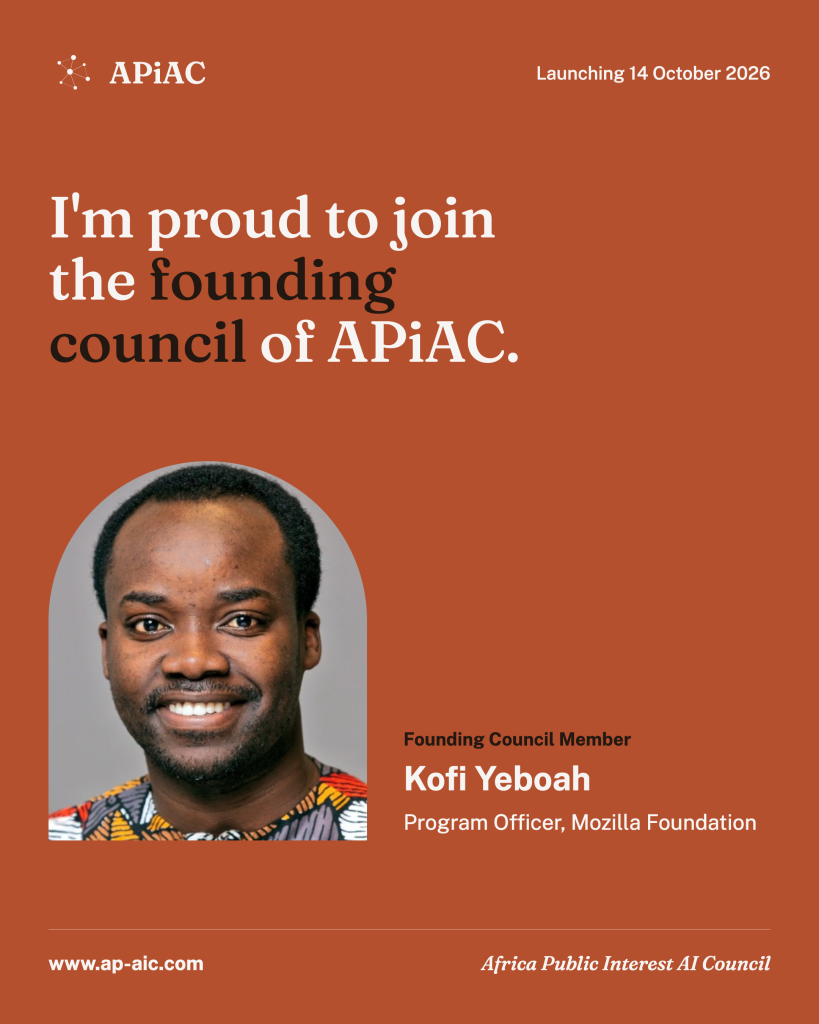
Kofi Yeboah, a programme officer at the Mozilla Foundation, said African stakeholders needed to participate in setting the standards governing AI systems from the outset.
“Openness and accountability can’t be bolted on after the systems are built. Africa has to help write those norms,” Yeboah said.
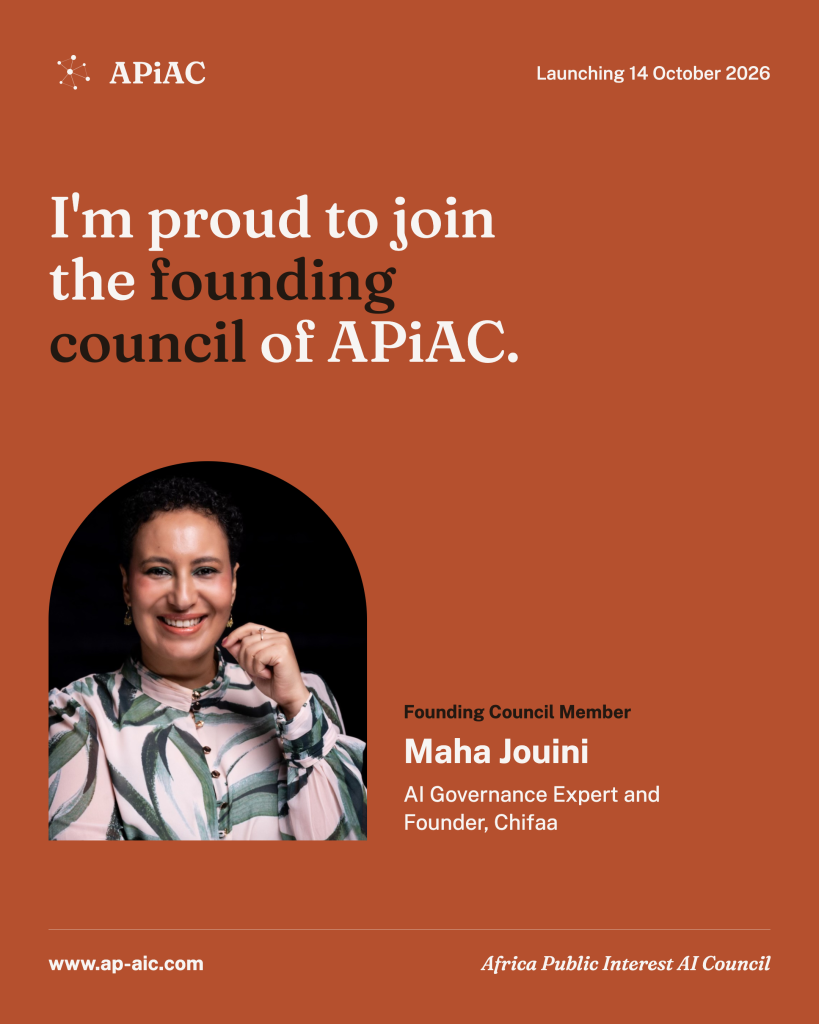
Other council members are Maha Jouini, founder of Chifaa; Charlette N’Guessan, a data solutions and AI ecosystem specialist at Amini and founder of Afrokwary; and Obinna Okerekeocha, founder of the Naija AI Film Festival.
The council will also examine questions surrounding data ownership, accountability and public trust as AI becomes increasingly integrated into financial services, public administration and other sectors of the economy.