After months of feuding over pending bills owed to medical facilities by the defunct National Health Insurance Fund (NHIF), there is now a glimmer of hope that the matter may soon be resolved.
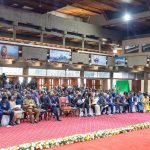
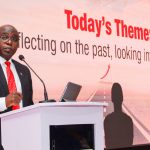
While unveiling the NHIF Pending Medical Claims Verification Committee at Afya House on 7 April 2025, Health Cabinet Secretary (CS) Aden Duale announced that, as a start, the government will fully settle claims of Ksh 10 million and below owed to medical facilities.
This, he said, accounts for 91pc of all claims, adding that the remaining 9pc will undergo a verification exercise to weed out fraudulent and fictitious submissions. The exercise, he noted, is expected to be completed within the next 90 days.
“The members of this committee, in whom I have full confidence, shall serve for a period of three months from the date of this gazette notice, and I mean three months,” said CS Duale, firmly stating that the committee’s term would not be extended.
“You have a lot of work to do, and you must burn the midnight oil,” he told the committee chaired by James Mariso Ojee and deputised by Dr Anne Wamae. “We have taken this step to restore public trust, accountability, and transparency in the financing of Kenya’s healthcare system,” he added.
CS Duale explained that the committee had been established to provide an independent, thorough, and transparent review of medical claims submitted to the defunct NHIF between 1 July 2022 and 30 September 2024, which remain unpaid.
Other members of the committee include Edward Bitok, Meshack Matengo, Meboh Awour, Tom Nyakaba, Catherine Bosire, Paul Wafula, Catherine Mungania, James Oundo, Jackline Njiru, Judith Awinja, and David Dawe.
According to available records, the defunct NHIF owes healthcare providers approximately Ksh 33 billion, a situation the Ojee-led committee is expected to address.
“I would like to challenge the committee to thoroughly scrutinise the pending claims and only recommend the genuine ones for payment,” said Duale, who was flanked by outgoing Principal Secretary for Medical Services, Harry Kimtai, and his Public Health counterpart, Mary Muthoni.
The committee has been tasked with “scrutinising and analysing” the pending NHIF medical claims and “making recommendations to the Ministry of Health on settlement of the same.”
The Ojee-led team is also charged with establishing “clearly defined criteria for detailed examination and analysis of such pending medical claims” to determine their authenticity, recommend appropriate actions for settlement, and propose measures to prevent future backlogs.
In addition, facilities and individuals found to have filed fraudulent claims with the intent to defraud the former medical insurer may face legal action, as the committee has also been mandated to identify such cases.
“You are also required to identify any cases where there may have been corrupt, fraudulent, or false medical claims and make appropriate recommendations to the relevant government agencies,” said CS Duale.
“I have full confidence that this committee and its secretariat will do a good job. Let me emphasise that after this verification, all genuine claims of healthcare providers will be paid, and this committee will be held accountable for any payments made for services not provided,” he stated.
Last week, CS Duale revealed that an audit conducted last year had uncovered that a significant portion of the pending claims were fictitious. He warned that relevant government agencies are expected to take over investigations into such cases.
Also in attendance were Director-General for Health, Dr Patrick Amoth, and Acting Chief Executive Officer of the Social Health Authority (SHA), Robert Ingasira, among other senior officials from the Ministry of Health.
Mr Ojee further assured Kenyans and stakeholders in the healthcare sector that the committee would fulfil its mandate, pledging to uphold high standards of professionalism.
Noting that health is one of the core pillars of the social contract between the government and the people, he described the task ahead as onerous. “It will therefore call for high levels of dedication from the committee members to deliver the desired outcomes within our term,” he said.
He acknowledged the high level of expectations from stakeholders and the significant challenges the committee must overcome.
“Our task is highly time-sensitive, three months, to be specific , and will require the committee to formulate a clear work plan and smart strategies to deliver on its assignment,” he emphasised.
He concluded: “The committee will proceed with a risk-based approach in conducting the audit of the bills. Ideally, it would be desirable to conduct 100 percent audit coverage.”