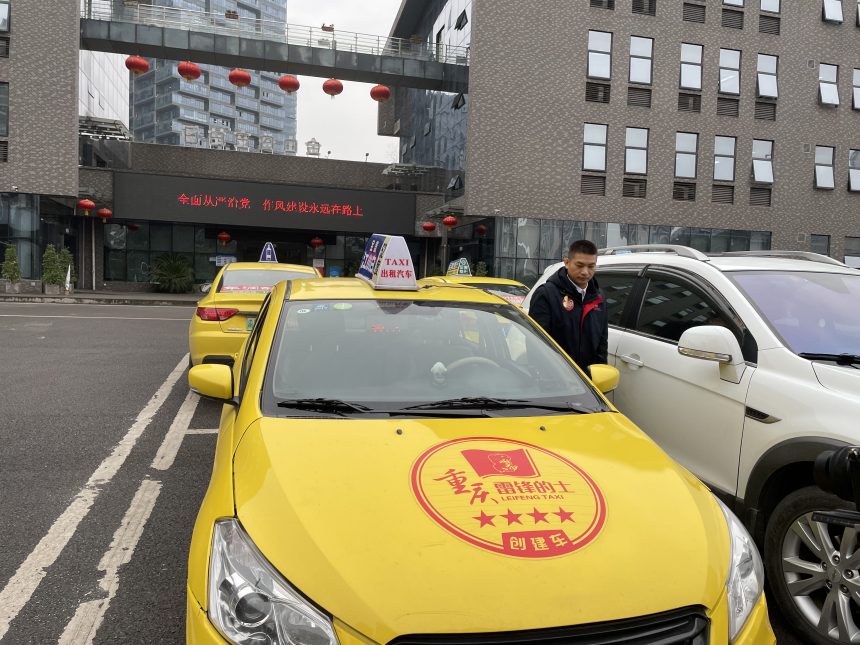
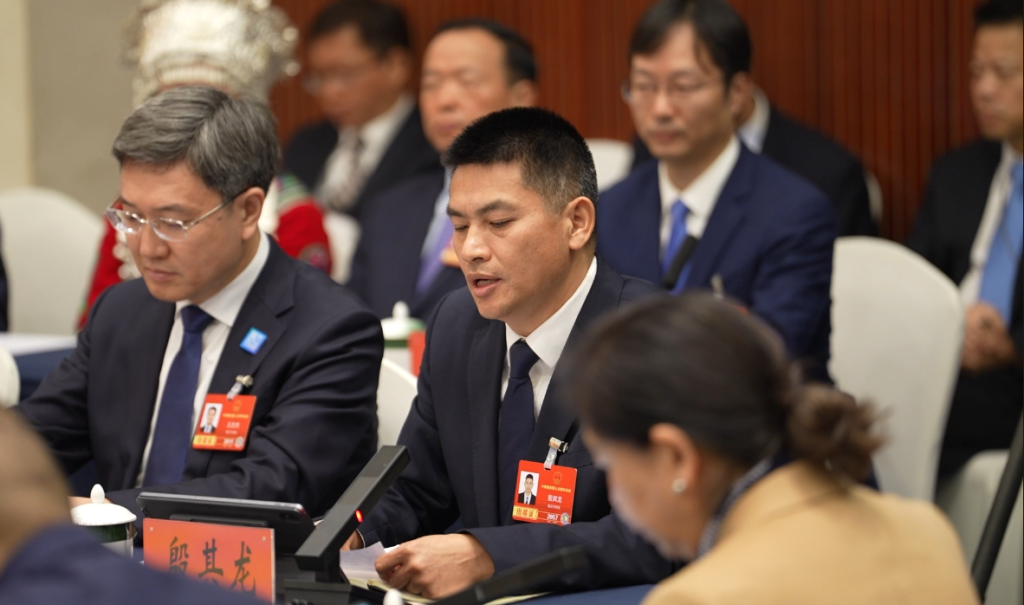
China’s political system includes representatives from diverse professional and social backgrounds in the law-making process. A prime example is Yin Qilong, a veteran taxi driver from Chongqing. Within the expansive chamber of the National People’s Congress (NPC), where critical policy debates shape the nation’s economic and social direction, his voice reflects the realities of city streets and late-night passengers.
Having spent over two decades navigating Chongqing’s steep roads and bustling urban areas, Yin was elected to the NPC in 2023. This appointment represents a rare shift from grassroots worker to national policymaker, carrying both symbolic and practical significance for him.

“In 2023, I became a national representative. As a taxi driver, getting the opportunity to serve as a deputy to the National People’s Congress is truly rare and meaningful to me,” Yin remarked in an interview with Chongqing’s Bridging News.
His role comes during the annual Two Sessions, China’s most significant political gathering, where lawmakers and political advisers from across the country discuss policy priorities and development goals.
Yin’s policy focus is rooted in his profession. Like many drivers in China’s rapidly evolving urban mobility sector, he has witnessed the disruption caused by the rise of ride-hailing platforms.
Drawing from his experiences, Yin has consistently advocated for regulatory reforms to ensure fair competition between traditional taxis and app-based services.
“The issues I focus on include achieving ‘same-city, same-price’ policies between cruising taxis and ride-hailing vehicles, and pushing for revisions to the Road Transport Regulations as soon as possible,” he explained.
His proposals emphasize regulatory integration, aligning operational models and pricing systems between taxis and online ride-hailing platforms. Industry observers note that such integration is gaining traction in policy discussions as Chinese cities strive to balance innovation with stability in urban transport markets.
Drivers’ Welfare
Beyond market regulation, Yin has also addressed the everyday challenges faced by drivers, such as the scarcity of accessible rest areas, meal facilities, charging points, and parking spaces.
In recent years, local governments have begun responding by creating driver-friendly infrastructure networks.
“To address these challenges, relevant departments are developing ‘friendly townships’ and expanding service stations,” Yin said, noting that approximately 36,000 service units, including rest stations and community facilities, have been established nationwide. These units provide drivers and other mobile workers with access to meals, rest areas, and essential services, creating what he describes as “a network supporting work, life, and development.”
Yin’s experience as a taxi driver provides him with a unique perspective on Chongqing’s urban transformation. Every day, he transports residents, business travelers, and tourists through one of China’s largest municipalities.
“Among my passengers, I meet tourists from all over the country and many friends from abroad. They travel thousands of miles to experience Chongqing’s multilayered landscapes shaped by history and nature, and its spicy cuisine.” he said.
Visitors, he noted, are often enchanted by the city’s vibrant character and the bright yellow taxis that navigate its mountainous terrain. Some passengers have even humorously referred to them as “Yellow Ferraris.” He says the taxi frequently serves as an informal platform for cultural exchange.
Green Transition
Yin has also advocated for a shift toward greener transportation. China’s urban taxi fleets are increasingly adopting electric vehicles to align with national carbon-reduction goals.
“New energy taxis provide more comfortable rides, quieter operation and lower operating costs. They embody the philosophy of green travel and low-carbon environmental protection,” Yin stated.
However, he has expressed concerns regarding the lack of standardization in charging infrastructure. Different vehicle manufacturers use incompatible charging systems, leading to inefficiencies and wasted urban resources.
Among his proposals is a call for standardized charging networks and improved infrastructure planning to support the expansion of electric taxis.Through his firsthand experience, Yin is shaping the industry.
When he first attended the NPC as a newly elected deputy three years ago, colleagues recall that he spoke cautiously, aware of the responsibility he bore. Today, he speaks with greater confidence.
For over 20 years, he has driven through Chongqing’s neighborhoods, observing the social dynamics of a rapidly modernizing metropolis. In recent years, he has noticed subtle yet significant improvements in urban life, such as the emergence of community canteens, small parks, neighborhood health stations, and convenience services closer to residential areas.
Voices from the grassroots
China’s political system promotes representation from various social sectors, including workers, entrepreneurs, educators, and farmers. Grassroots deputies like Yin are expected to gather public opinion and convey it to national institutions.
As a result, Yin dedicates considerable time to engaging with fellow drivers and transportation workers to understand their concerns before presenting proposals to the NPC.
“I have been driving taxis for many years and have witnessed the tremendous changes in Chongqing,” he said.
His taxi has even been recognized locally as a “Lei Feng Taxi,” a title honoring exemplary public service inspired by the Chinese cultural icon Lei Feng. For Yin, the steering wheel serves as a reminder of the people he represents.
“Transportation connects thousands of households. Our responsibility is to speak for the people and act on their behalf,” he stated.
In China’s legislative system, the voices of grassroots professionals like Yin are increasingly prominent, demonstrating how governance can be shaped not only by career politicians but also by those whose daily work keeps the country moving.