Car dealers in Mombasa have raised alarm over a sharp decline in business, citing global conflicts and stringent government policies as key drivers of reduced vehicle sales and mounting losses.
According to Mombasa Car Dealers Association (MCDA), ongoing war between Israel and the United States against Iran have disrupted international trade, leading to shipment delays and dampened demand for imported vehicles.

The traders said many potential buyers are increasingly hesitant to place orders from abroad due to uncertainty in global markets.
“One of the major challenges we are facing is the impact of international conflicts. The wars in different countries are affecting our clients, and they are no longer able to purchase high-end vehicles,” said MCDA Chairperson Jackson Ndevera during an interview in Mombasa.
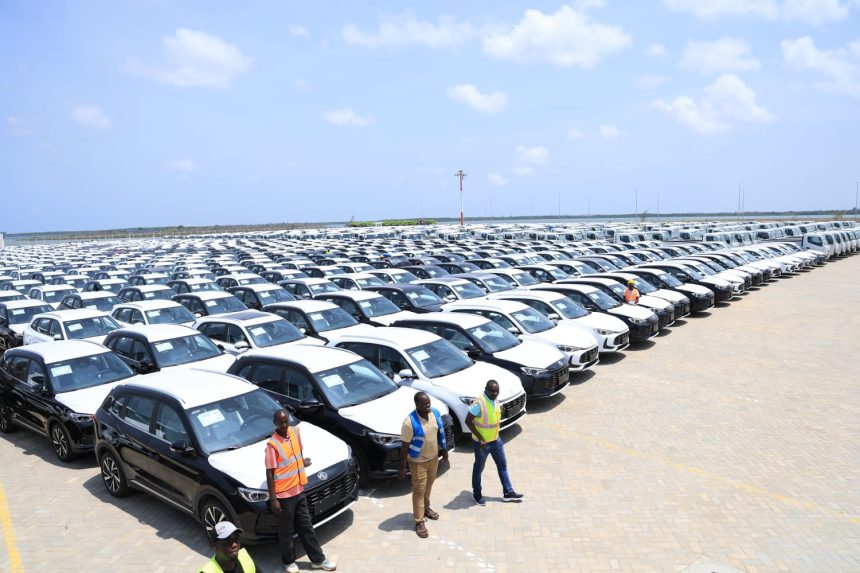
Ndevera noted that dealers are currently holding large stocks of unsold vehicles, a stark contrast to previous years when sales were steady.
“We have many cars in our yards, but we are not able to move the units we used to sell a few months or years ago because of global issues,” he added.
The lobby group is also calling on the government to reconsider its decision to tighten restrictions on imported used vehicles.
Under new regulations set to take effect soon, all imported right-hand drive vehicles must have been first registered in 2019 or later, in line with the country’s eight-year age limit. Vehicles registered before 2019 will be rejected at the importer’s cost.
“We need both the national and county governments to engage us. By listening to our concerns, we can develop short-term and long-term solutions that will help sustain this sector,” he noted.
While the government maintains that the policy is intended to improve road safety, reduce environmental pollution, and promote local vehicle assembly, dealers argue that it will significantly hurt their businesses.
The dealers are also appealing for leniency in the implementation of the new import rules, asking the government to allow them time to clear existing stock, including vehicles affected by shipment disruptions linked to the conflict.
The traders have also protested what they describe as excessive levies imposed by the Mombasa County Government, saying the charges are multiple, punitive, and unsustainable.
The traders warn that high taxation is eroding profit margins, stifling growth, and making it increasingly difficult to operate.
“The permits from Mombasa County are exorbitant compared to what our counterparts in Nairobi are paying. They are paying nearly three times less than we are here. I appeal to the governor to engage us so that we can address the issues affecting our operations,” said Ken Sasi, a dealer in Mombasa.
According to the dealers, the sector has been operational for over 40 years and supports thousands of livelihoods through direct and indirect employment.
They estimate that about 65,000 vehicles are currently held in Mombasa, underscoring the scale of the industry and the potential economic impact if the challenges remain unresolved.