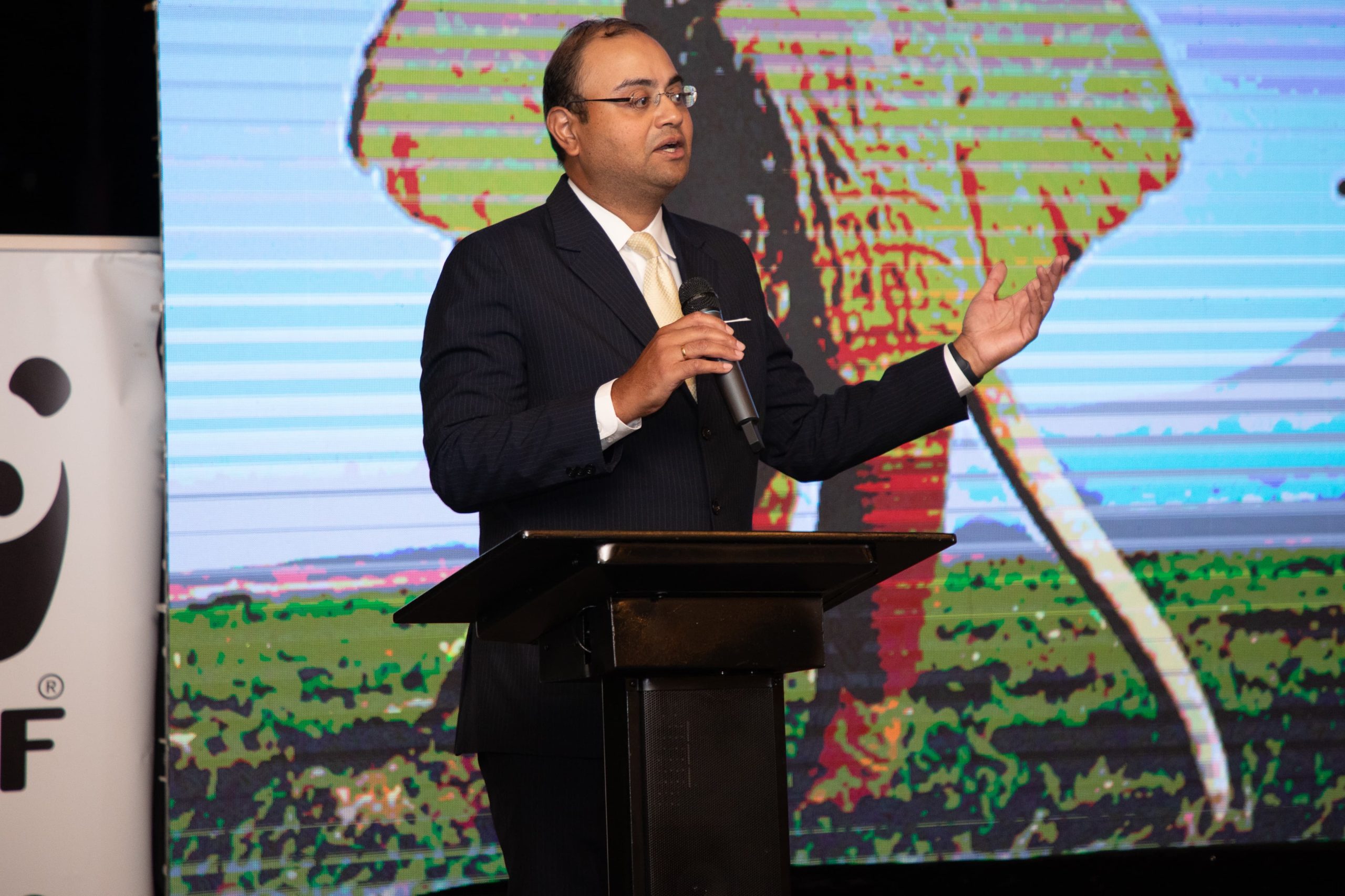
The Central Organization of Trade Unions (Kenya) [COTU (K)] is urging Parliament to prioritise comprehensive PAYE reforms targeting workers earning up to Ksh 60,000 per month, warning that delayed relief continues to erode household incomes.
In its submission on the Finance Bill 2026, COTU (K) Secretary General Francis Atwoli noted with concern that anticipated PAYE reforms were excluded despite government acknowledgment that workers’ disposable income has been severely eroded by inflation, rising fuel and food costs, and multiple statutory deductions including the Affordable Housing Levy, SHA contributions, and enhanced NSSF deductions.

” The issue of workers’ disposable income can no longer be postponed considering the severe economic pressure currently facing Kenyan workers. Over the last several years, workers’ purchasing power has significantly declined due to rising inflation, increased fuel prices, high food and transport costs, multiple statutory deductions, and the growing overall cost of living,” he said.
“ Salaried workers today shoulder numerous deductions, including PAYE, the Affordable Housing Levy, SHA contributions, and enhanced NSSF deductions, all of which have substantially reduced net earnings and weakened household financial stability, he added.
” As COTU (K) we note with concern that despite broad public acknowledgment by Government, Treasury, and economic stakeholders regarding the erosion of workers’ incomes, the anticipated PAYE reforms aimed at cushioning workers were not included in the Finance Bill, 2026. This omission continues to place disproportionate pressure on formal sector workers who remain among the most taxed segments of the Kenyan economy,” Atwoli stated.
According to COTU (K) research, the proposed relief would release over Ksh 31 billion back into the economy as usable household income, stimulating consumption and supporting economic recovery.
“The proposed PAYE relief targeting workers earning up to Kshs. 60,000 would release over Kshs. 31 billion back into the economy as usable household income,” he said, adding that this “would significantly stimulate consumption, improve household welfare, support local businesses, and contribute to broader economic growth.”
Atwoli said Kenyan workers cannot continue financing national development at the expense of their survival, welfare, and economic dignity.
The union proposes revision of PAYE bands, upward adjustment of the tax-free threshold, and automatic annual inflation adjustment to prevent bracket creep, urging Parliament to adopt worker-sensitive fiscal policies.