The Government has intensified surveillance of public transport vehicles after police intercepted a passenger bus carrying cannabis worth nearly Ksh200,000 along the Kisumu-Kericho Highway, raising concerns over the use of transport networks by drug traffickers.
Responding to a statement by West Mugirango MP Stephen Mogaka, the National Assembly Departmental Committee on Administration and Internal Security said police acting on intelligence intercepted a Guardian Angel bus travelling from Ugunja to Nairobi and recovered five bales of suspected cannabis.

The response was delivered in the National Assembly by Lari MP Kahangara Mburu on behalf of committee chairperson Gabriel Tongoyo.
The committee said officers intercepted bus registration number KDN 389J, an Isuzu belonging to Guardian Angel Company, and recovered dry plant material suspected to be cannabis sativa weighing about 33 kilogrammes and valued at Ksh198,000.
The drugs had been concealed using yellow tape and were allegedly found in the possession of passenger Daniel Omondi, who was arrested and arraigned at Nyando Law Courts.
“The suspect was arrested and later processed and arraigned in Nyando Law Courts,” the committee told the House.
The recovered exhibits were submitted to the Government Chemist in Kisumu for analysis, with investigations ongoing to establish the source of the drugs and identify other individuals linked to the suspected trafficking network.
The committee said authorities were investigating whether the incident was isolated or part of a wider organised drug trafficking operation using transport corridors in the Coast and Nyanza regions.
To curb the use of public transport vehicles in drug trafficking, the Government said it had introduced 24-hour multi-agency roadblocks along the Kisumu-Kericho Highway, particularly in Ahero and Nyando.
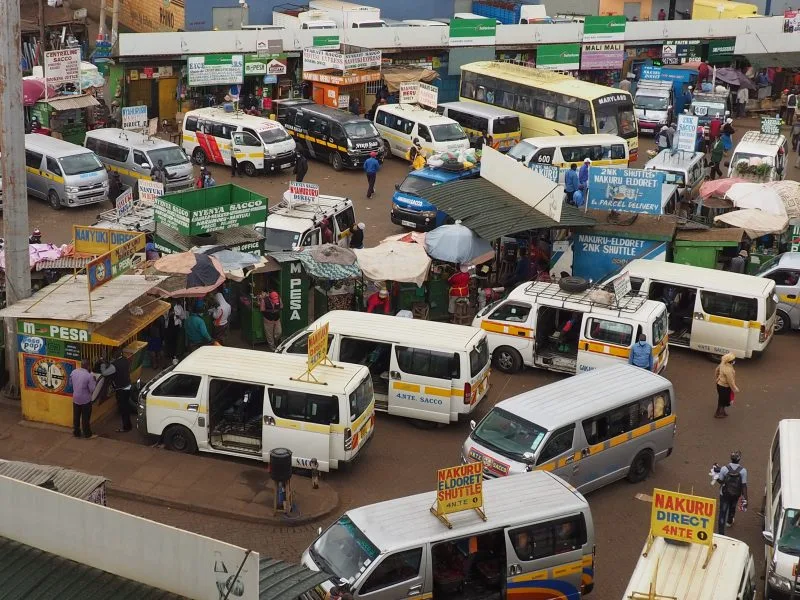
The measures also include compliance inspections on public service vehicles, training transport operators to identify suspicious cargo and increased deployment of anti-narcotics officers at transport terminals and other strategic transit points.
The Government said it was also expanding the use of canine units at selected entry points and high-risk areas to improve detection of illicit drugs.
It added that authorities were implementing awareness campaigns in schools and communities, targeting drug peddlers near learning institutions and strengthening reporting mechanisms involving minors.
The broader response includes strengthening the Anti-Narcotics Unit, enhancing intelligence gathering, expanding rehabilitation services and improving cross-border cooperation to disrupt trafficking networks.
However, Mogaka questioned why the committee’s response focused only on Guardian Angel buses, arguing that other transport companies had also been linked to drug investigations.
“I would want to understand why the report is confined to only the Guardian Angel Company,” he said.
The MP also questioned the status of three vehicles previously impounded during drug-related investigations, citing provisions of the Narcotic Drugs and Psychotropic Substances Control Act on forfeiture of vehicles used to transport narcotics.
Mogaka further alleged that he had faced intimidation after raising concerns over drug trafficking, claiming individuals linked to the transport company confronted him during a funeral in his constituency.
He called for stronger action to protect students who rely on public transport, warning that young people remain vulnerable to the effects of drug trafficking.