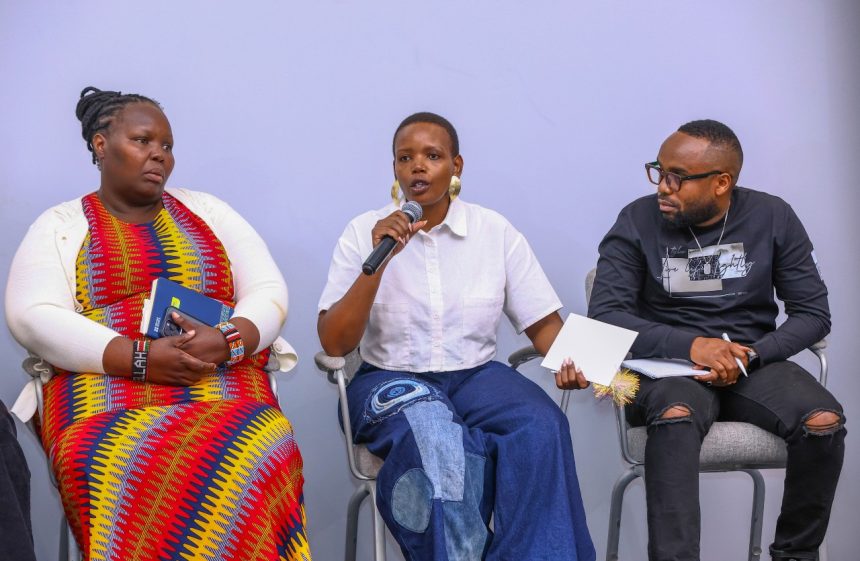
The importance of financing creatives became the key highlight at the Sanara Creative Economy Learning Forum event held at the Radisson Blue Hotel on Thursday morning, July 2.
The forum brought together investors, policymakers, financial institutions, development partners and leaders from the creative industry to examine how the country’s creative economy can unlock more opportunities for artists, designers, filmmakers, musicians, fashion entrepreneurs and other creatives.

According to Sanara, a programme supported by the Mastercard Foundation and implemented by HEVA Fund, SNDBX Ubuntu, Baraza Media Lab and GoDown Arts Centre, Kenya’s creative sector has the potential to become an even bigger driver of jobs and economic growth if artists and creative entrepreneurs are given access to financing, business skills, markets and supportive policies.
Currently, Kenya’s creative economy contributes more than five per cent of the country’s Gross Domestic Product, according to the Government.
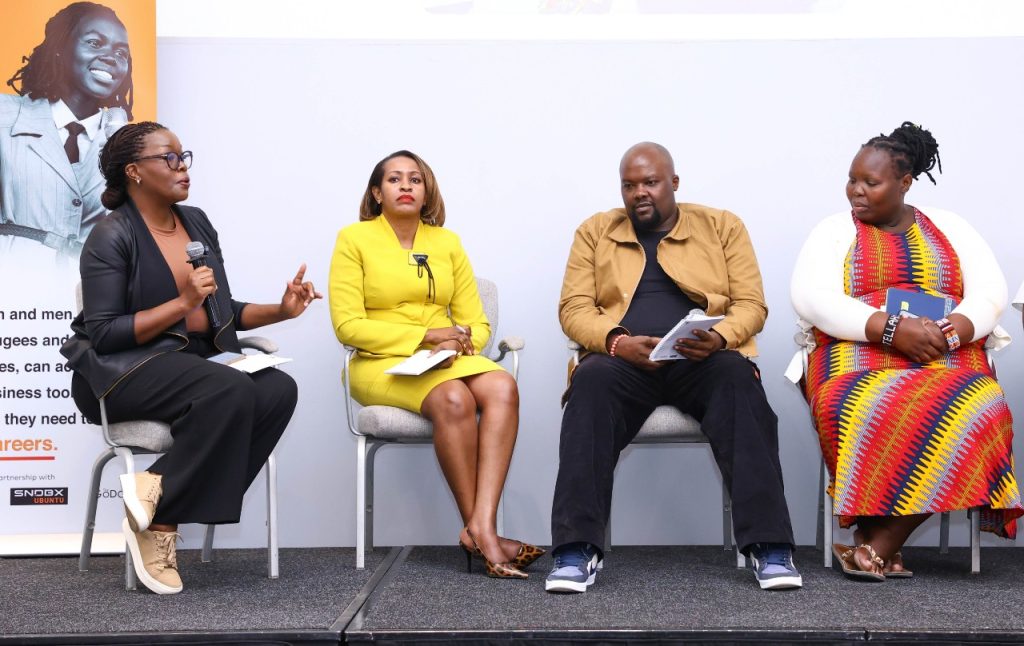
Speaking during the forum, HEVA Fund Programme Manager Tabitha Masese said the programme has shown that creative businesses can thrive when they receive the right combination of financial and enterprise support.
“The creative economy is increasingly proving to be an investable sector. Our experience shows that when entrepreneurs have access to appropriate financing, business development support, technical skills and markets, they build resilient enterprises capable of creating jobs and contributing to economic growth,” she said.
According to the report shared at the forum, more than Ksh. 1.2 billion has been deployed through commercial financing and grants to support over 330 creative enterprises.
This funding has equipped more than 20,000 young creatives with business and technical skills, and has helped more than 3,000 creative startups across Nairobi, Mombasa, Nakuru, Kisumu, Kakamega and Turkana.
The report also highlighted that nearly two-thirds of the enterprises it has financed are “women-led, while about 30 per cent of beneficiaries are accessing formal finance for the first time, helping broaden financial inclusion within the creative industry.”
“Beyond financing, Sanara has been supporting creatives through technical skills development, business mentorship, market linkages and work with county governments to strengthen creative economy policies and map creative infrastructure,” the report highlighted. “These efforts are intended to create an environment that encourages long-term growth and attracts more private investment.”
Its work has also focused on expanding opportunities for underserved groups, including women, refugees and persons with disabilities.
One of the key lessons highlighted at the event is that access to finance remains the biggest obstacle facing the creative sector.
“Unlocking the sector’s full potential will require stronger collaboration between government, investors, financial institutions and development partners to ensure creatives have the resources needed to grow sustainable businesses while contributing to employment, innovation and the country’s economic development,” according to Sanara.