A partnership between Nairobi County and Zoomlion Kenya aims to transform Nairobi’s waste problem into an economic opportunity. The initiative targets illegal dumping while developing a waste-to-value model focused on recycling and value addition.
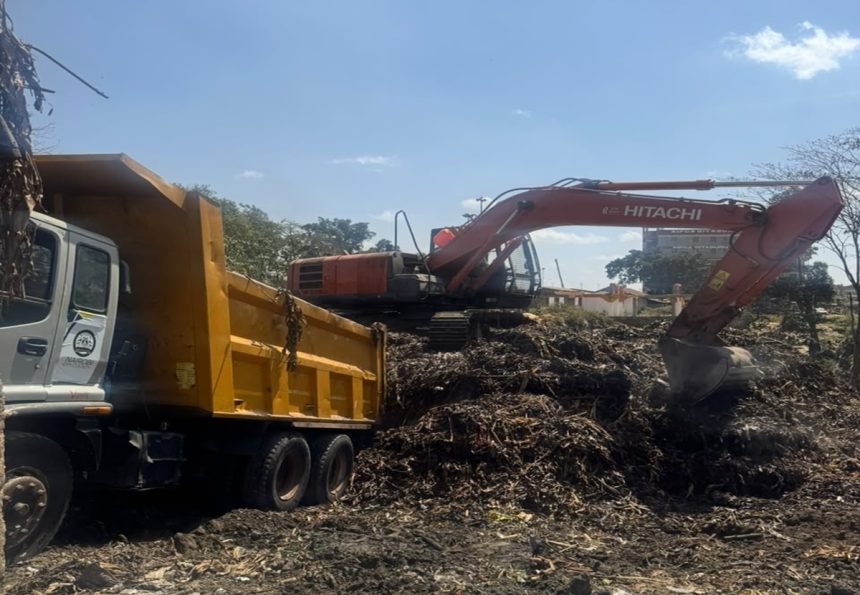
The public-private partnership will convert waste into fertiliser and plastic products, and create jobs. Zoomlion Kenya and the County government are working to clear existing refuse from illegal dumping sites. Currently, this waste is transported to the Dandora dumpsite, but this will change once Zoomlion’s large-scale waste recycling and value-addition plant in Ruai becomes operational.

The Ruai facility will sort collected waste, processing organic matter into compost and fertiliser. This could provide farmers with more affordable agricultural inputs; Zoomlion highlights a similar initiative in Ghana where a 30-kilogramme bag of fertiliser retails for approximately 500 shillings. Plastic waste will also be processed into panels, which can be used to manufacture waste bins for households, promoting waste separation and responsible disposal.
The positive impact of more frequent waste collection is already evident at Korogocho market, where a significant portion of the waste generated is organic. Residents, including Virginia Warau, report that uncollected garbage previously remained for months, creating unhygienic conditions and health risks.
David Kirui, Secretary of the Korogocho Market Traders Association, notes that traders previously paid around 200 shillings for waste collection, but the current system is more affordable and frequent. This cleaner environment has also attracted more customers to the market.
The Nairobi County Government has expressed satisfaction with the partnership. Evans Ochieng, the Ruaraka Sub-County Environment Officer, states that the collaboration has already led to the closure of five illegal dumping sites in the area. He adds that the initiative is helping the county tackle illegal dumping while promoting cleaner and more sustainable waste management practices.
Laud Mike Tagoe, Zoomlion’s Operations Manager, assures Nairobi residents of a cleaner city as the initiative expands. The planned Ruai plant is also expected to generate further employment and establish a larger market for waste through recycling and value addition.
This project draws on Zoomlion’s successful experience in Ghana. The company plans to replicate this model across Kenya and eventually expand it throughout East Africa, potentially shifting the region’s approach to waste from viewing it as an environmental burden to recognising it as an economic resource.