Young, female, unmarried and unafraid
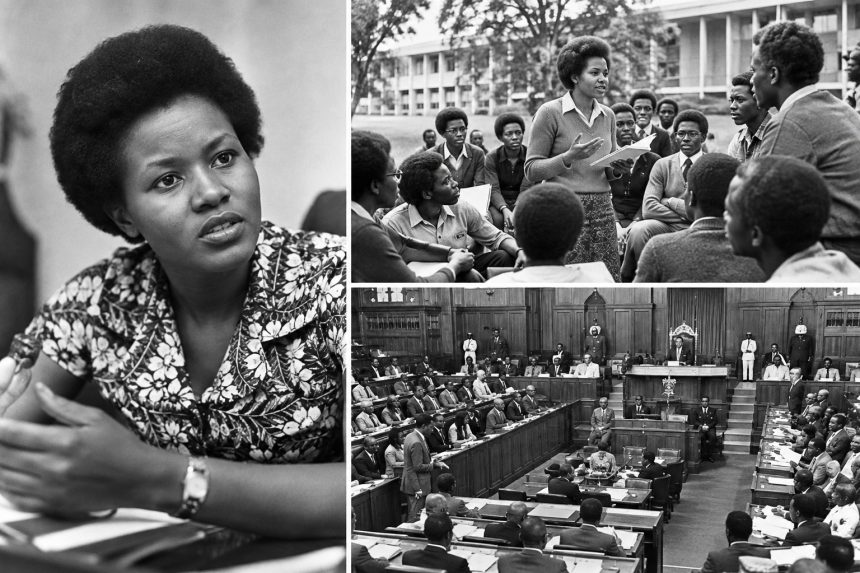
Chelagat Mutai is the first Kalenjin and Nandi woman MP. In 1974, just at the age of 24 years, she won the Eldoret North parliamentary seat and shook the then male-dominated Kalenjin politics and Kenya’s leadership. She and Dr Julia Ojiambo joined Grace Onyango in Parliament to become the second women MPs in independent Kenya. But Parliament had never seen someone like her—so impatient and restless around bad power and always itching to poke dictatorship in the eye. The price she pays for choosing bravery and resistance at a time when silence seemed safe, useful and profitable is legendary.

Chelagat was born last to ordinary farming parents in early 1949 at Terige Sublocation in the then Lessos or Ol’Lessos Location of today’s Nandi County. Her whole life dealt serious blows to new colonialism and continues warning the country that the white colonial master was not our worst. To her, awakening us to the dangers of the enemy of new colonialism that within us was urgent to her because that could turn our independence into nothing more than just a flag and some African leaders in charge. whose interests did not match the freed Kenya.
Her childhood faced serious landlessness and the first frustrations of independent Kenya that lit a passion to dare oppressive systems. Chelagat was decided that her young age, a gender discouraged from politics, being unmarried, and the political season she lived shujaa would not match her spirit. Forced evictions and suspect land acquisition were her lifetime themes while inside and outside Parliament. Chelagat’s struggle laid the foundation for Kenya’s growing land justice and lifted our spirit towards confronting historical land injustices. In a way, our current rights and major institutions such as the National Land Commission draw their letter and spirit from the likes of Philomena Chelagat Mutai.
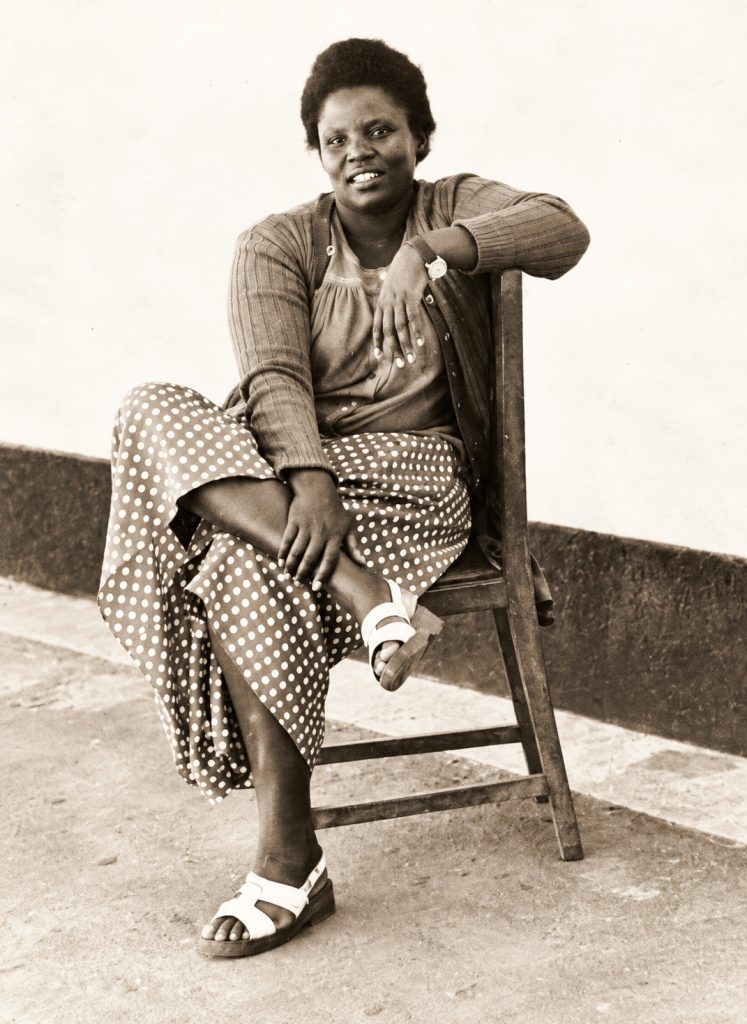
The beginnings of the iron lady
Her fire and restlessness around bad power was not just clear during her student leadership days at the University of Nairobi. Chelagat started facing the cost of speaking truth to authority very early in her life. As far back as while at the Highlands Girls High School that expelled her twice—once for leading what they called an illegal outing; second for confronting a matron. She sat her exams while outside school gates yet earned a slot in the newly founded University of Nairobi.
She sharpened her tools while a student leader in the 1970s at the University of Nairobi when institutions of higher learning were the only fort against bad leadership. She became the first female editor of The Anvil, a student magazine in which her fearless reports on police brutality sparked campus riots and earned her expulsion in 1973. Authorities denied her a passport when American lecturers recognised her brilliance and secured her a full scholarship to Harvard. The lost chance made her fiercer.
Chelagat Mutai’s no fear, no compromise, and no apologies when power was misused is a political key and capital that continues to open doors and inspire a mosaic of young people into leadership. She is a time machine carrying us to and from other female leaders who give their all for country and continent—Mekatilili Mnyazi wa Menza, Wangarĩ Maathai, Eugenia Ellen Johnson Sirleaf, and many current female and young leaders. Some of her peers and company in the struggle for a better Kenya include Raila Odinga, Chibule wa Tsuma, Jean-Marie Seroney, Mashengu wa Mwachofi, Moseti Anyona, James Orengo and Koigi wa Wamwere.
She struggled
As a faith heroine in the better Kenya we continue to build—even if she would not live to witness all fruits of her effort—she is a pioneer woman leader who painted us a better country by sacrificing her sweat and dignity and blood. She founded a path to human rights, gender inclusivity, and accountability from government long before many Kenyans started to imagine it possible. Her life was the solid “all sovereign power belongs to the people” decades before Kenya’s Constitution 2010 captured it even as most people thought she was dreaming in a time of war, when it looked unfashionable and foolish to do so.
Chelagat made numerous stints to police stations including in 1976 when she was charged with incitement because she gathered displaced citizens to protest against land injustices. Her breaking point came on 21 September 1981 when 48 counts false mileage claims threatened her another jail term. She just boarded a bus and fled into Tanzania, becoming one of Kenya’s early cases of critical leaders to exile because they would not denounce their views.
Ironically, she was the only woman at the heart of the early 1980s group of radical political leaders who were critical of government. The group so upset the then Attorney-General, Charles Njonjo, that he invoked his literary and historical allusion to name it “Seven Bearded Sisters”.
Hers was the path not taken and its cup of tea was two and a half years at Lang’ata Women’s Prison, loneliness, exile, expulsion and finally neglect. She met President Nyerere while in Tanzania, worked as a journalist, and returned to Kenya to see her mother die five days after. She returned to Kenya to live the high cost of speaking the truth to power even if the heavens fell.
And inspired
Her touch on humanity inspired beyond the living. Chelagat Mutai even provided material for creative writing and shaped characters in fiction. Notably when she was arrested in 1975 for wanting to know why J. M. Kariuki was killed and what the nation would gain from that. Paulina Were in Marjorie Oludhe Macgoye’s Coming to Birth loses her naivete and wishes that the country protests Chelagat’s arrest. Chelagat’s life was always resisting questionable happenstances and fashioning satire against it.
The spirit of Chelagat’s connection to Kenyans of humble status finds residence in the illiterate house help that is the fictitious Paulina Were. Paulina exposes a contradiction, that some leaders are not in touch with what the public aspires, in the honourable MP called Mr M whom she worked for and he believed that the constitution “was not made for individuals”. Later, our Constitution would be made for individual Kenyans and include a Bill of Rights going down there to assure the rights of each Kenyan. It is a product of a long struggle of individuals and stories current beneficiaries may never know.
The pathfinder
She is among our most beautiful threads that weave the fabric of women leaders down generations. She started a path that has seen dozens of young and women leaders from Kalenjin land take leadership positions at a time when concepts like the two thirds gender rule did not exist in our political minds. Like all matriarchs and as is the mettle of shujaas to believe and fashion great futures they will not be in to enjoy, she decorates Kenya with her dust and sweat and blood to hand down glory.
She is our foundation to many notable leaders from Kalenjin land to Parliament. Linah Chebii Kilimo, Dr Sally Kosgei, Prof. Helen Sambili, Peris Chepchumba Simam, Lorna Laboso, Dr Joyce Laboso, Beatrice Kones, Grace Kipchoim, Janet Sitienei, Prof. Phyllis Bartoo, Maryanne Kitany and Beatrice Kemei who was elected unopposed in Soin/Sigowet. Prof. Margaret Kamar, Susan Kihika and Tabitha Karanja have been elected Senators in places with heavy Kalenjin presence. Hundreds of such leaders occupy county assemblies and other positions across Kenya.
Chelagat was a true daughter of Kenya and a student of our founding fathers and mothers. She stood against any oppression, spoke bitter truth to power during one of Kenya’s most difficult political times, and announced a bright future for all daughters and sons of Africa. She would immortalise family and girlchild welfare by adopting three daughters because she never married. Her health fell due to ill health and frustrations to eventually make her one of Kenya’s permanent symbols of sacrifice for a better Kenya. A road accident put her chain and bound on a wheelchair on which she lived in quiet poverty until she died on Sabasaba Day aged 64, in July 2013.
Excerpt from the National Celebrations Handbook, Mashujaa Day 2026, North Rift Edition