National Treasury and Economic Planning Cabinet Secretary John Mbadi has refuted claims by former Deputy President Rigathi Gachagua that President William Ruto’s administration illegally inflated the cost of the Rironi-Mau Summit Highway from Ksh150 billion to Ksh200 billion.
Gachagua had also accused the government of illegally allocating Ksh30 billion from the National Social Security Fund (NSSF) to the project.

Mbadi, however, dismissed Gachagua’s assertions and defended the revised project cost. He argued that the former Deputy President’s comparison was misleading as it ignored significant changes to the highway’s design and the commercial risks associated with the previous contract.
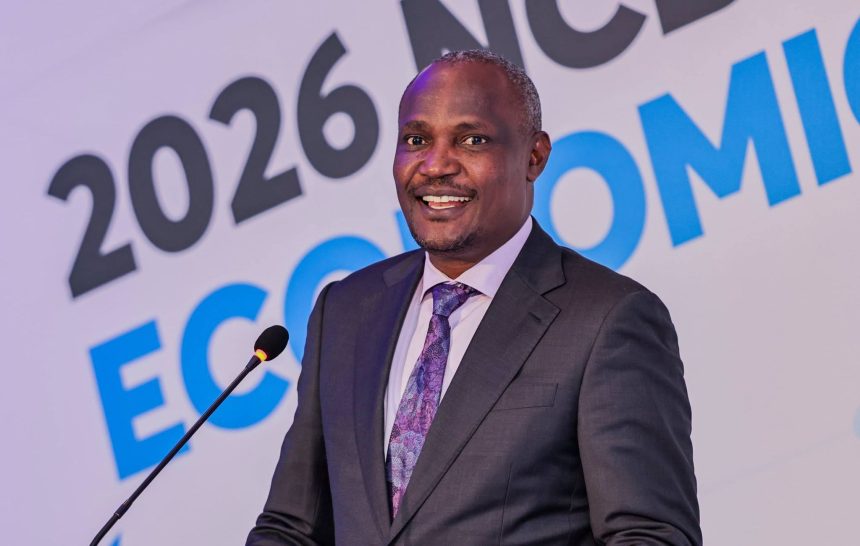
The Treasury CS, who was speaking during the 2026 NCBA Economic Forum in Nairobi, explained that the earlier Ksh150 billion figure corresponded to the initial design under the contract with a French firm, which the current administration subsequently terminated.
He highlighted that the revised design incorporated additional lanes, an expansion not included in the original plan.
“First, the design of that road changed. From Naivasha to Nakuru is now eight lanes. Go and check the other design. It was not that,” Mbadi stated.
Mbadi also defended the government’s decision to terminate the previous contract, contending that its financing structure exposed the country to unacceptable commercial risks.
“One of the reasons why this government decided to terminate the other contract was because of the commercial risk that was passing to the government. It was a huge risk to our economy,” he said.
He maintained that the government could not proceed with an arrangement that transferred excessive financial exposure to the borrower, emphasising the necessity of shielding the economy from such risks.
The CS took issue with Gachagua’s public statements, accusing him of making claims without establishing the facts and warning that such remarks could mislead Kenyans who may not have access to the project’s details. Mbadi expressed particular concern about the impact of misinformation on the public, arguing that political leaders have a responsibility to verify information before presenting it as fact.
“I would have just ignored because, really, there are some people when they talk, the best thing to do is to ignore them. But if you realise they can confuse some good people out there, then you save the good people. I’m not saving him. I’m saving the good people,” Mbadi explained, clarifying his decision to respond rather than ignore the former Deputy President’s allegations.
He said remaining silent in the face of misleading claims could allow false narratives to gain wider acceptance.
“If you assume that people know the truth and you don’t tell them, you will find yourself alone. Everybody believes the lie,” he warned.