Kenya needs an additional 79,000 to 102,000 project management professionals by 2035 to meet growing demand across its economy, underscoring the urgency of investing in skills development, professional training and leadership capacity.
According to the Project Management Institute’s (PMI) 2025 Global Project Management Talent Gap report, Kenya’s project professional workforce will need to grow from approximately 150,000–151,000 to between 223,000 and 247,000 over the next decade.

This growth reflects increasing demand across infrastructure, construction, technology, manufacturing and other sectors.
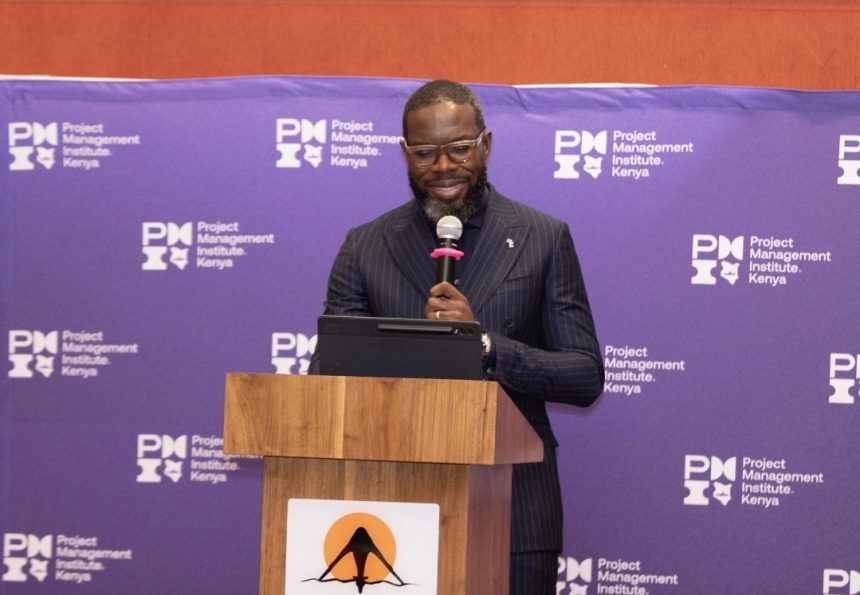
The findings formed an important backdrop to the PMI Kenya Summit and Gala Awards 2026, held in Nairobi under the theme Strategy to Execution: Driving Value Through Project Excellence. The Summit brought together industry leaders and practitioners to explore the evolving demands of the profession, celebrate community achievements and examine how project excellence can advance national development.
George Asamani, Managing Director, Project Management Institute (PMI), Sub-Saharan Africa, emphasised the profession’s role in translating strategic ambitions into meaningful outcomes.
“Project management is fundamental to how countries, organisations and communities translate their ambitions into tangible results. As Africa accelerates its development agenda, we need skilled, ethical and accountable professionals who ensure investments deliver sustainable impact. We must also learn from projects that fail and address weaknesses in planning, governance, oversight and execution. Where these failures result in wasted resources, infrastructure deficiencies or loss of lives, better project management becomes not just a professional aspiration, but a societal responsibility,” said Asamani.
Maureen Ochang, PMI Kenya Chapter President, noted that growing demand presents an opportunity to strengthen Kenya’s talent pipeline, particularly among young professionals. “Project management is increasingly central to how organisations deliver transformation, manage investments and achieve strategic objectives. This growth calls for deliberate investment in the skills, competencies and leadership capabilities needed to meet demand. We must prepare young professionals not just to participate in projects, but to lead them and deliver measurable results,” says Ochang.
As an institute of project professionals, PMI Kenya seeks to be a strategic partner to organisations, communities and government in strengthening project delivery and ensuring investments translate into tangible economic and social value. This includes championing accountability, effective governance, risk management and quality assurance.
In sectors such as construction, addressing execution gaps is particularly critical, as failures in planning, supervision and compliance can lead to building collapses, infrastructure failures and loss of lives.
The Summit and Gala Awards also celebrated the achievements and performance of the PMI Kenya Chapter and its wider professional community.
By recognising outstanding individuals and organisations, the awards showcased excellence, innovation and the contribution of project professionals to successful project delivery, while strengthening a community committed to advancing professional standards and creating lasting impact.
The demand for project professionals extends across the region. PMI projects that Sub-Saharan Africa will require between 4.1 million and 4.6 million project professionals by 2035, up from approximately 2.6 million in 2025, representing potential growth of 56 to 75 percent.
Meanwhile, the World Economic Forum’s Future of Jobs Report 2025 identifies project managers among occupations driving employment growth through 2030. It also estimates that 39 percent of workers’ existing skills will be transformed or become outdated by 2030, while 63 percent of employers identify skills gaps as a major barrier to business transformation.
These trends are reshaping professional expectations, with increasing demand for analytical thinking, digital literacy, artificial intelligence, risk management, strategic leadership and stakeholder engagement.
Ochang added that collaboration between professional associations, universities, employers and industry will be essential in aligning education and professional development with emerging needs. Mentorship, practical learning and internationally recognised certifications will also help prepare the next generation of project leaders.
Through skills development, professional excellence and stakeholder collaboration, PMI Kenya remains committed to strengthening the profession and supporting projects that deliver measurable value, improve lives and contribute to sustainable national and regional development.