Kenya is set to receive 10 specialised mother-and-child hospitals under a $35 million (Ksh 4.52 billion) grant from Amsons Group, creating a new test for how privately financed infrastructure can support the country’s public healthcare system.
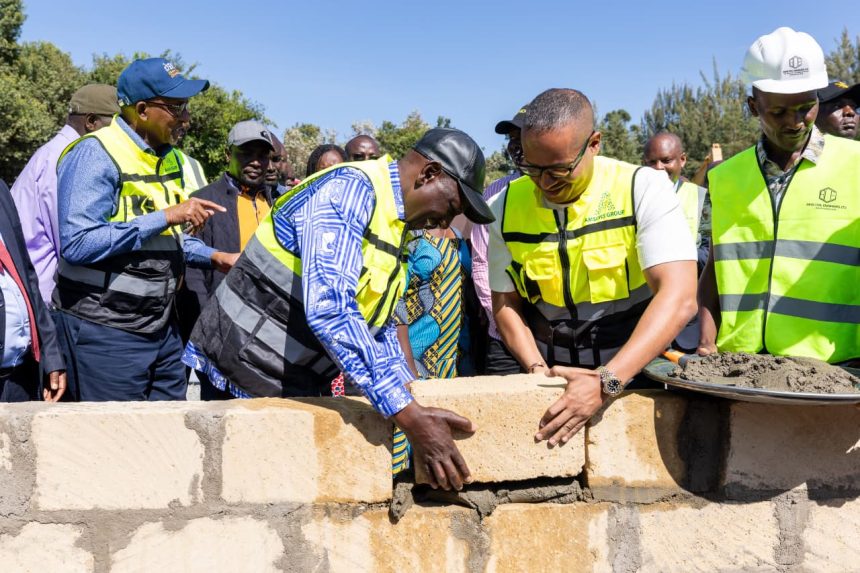
Construction has begun on the first facility, a 250-bed Level 4 hospital in Chebunyo, Bomet County. The hospital is planned to include maternity suites, operating theatres, neonatal intensive-care services, and facilities for antenatal, delivery and postnatal care.

President William Ruto said the financing would not create a repayment obligation for the government.
“This facility is a grant from Amsons. It’s not a loan, and that’s the value of friendship,” Ruto said.
Under the arrangement, Amsons will construct and equip the hospitals before handing them over to Kenyan authorities. The government will then be responsible for staffing, medicines, maintenance and day-to-day operations.
That division of responsibility is central to the programme.
While the grant covers the initial cost of construction and equipment, the government will still need to finance the recurring costs required to operate the facilities, including healthcare workers, medicines, utilities, maintenance and other services.
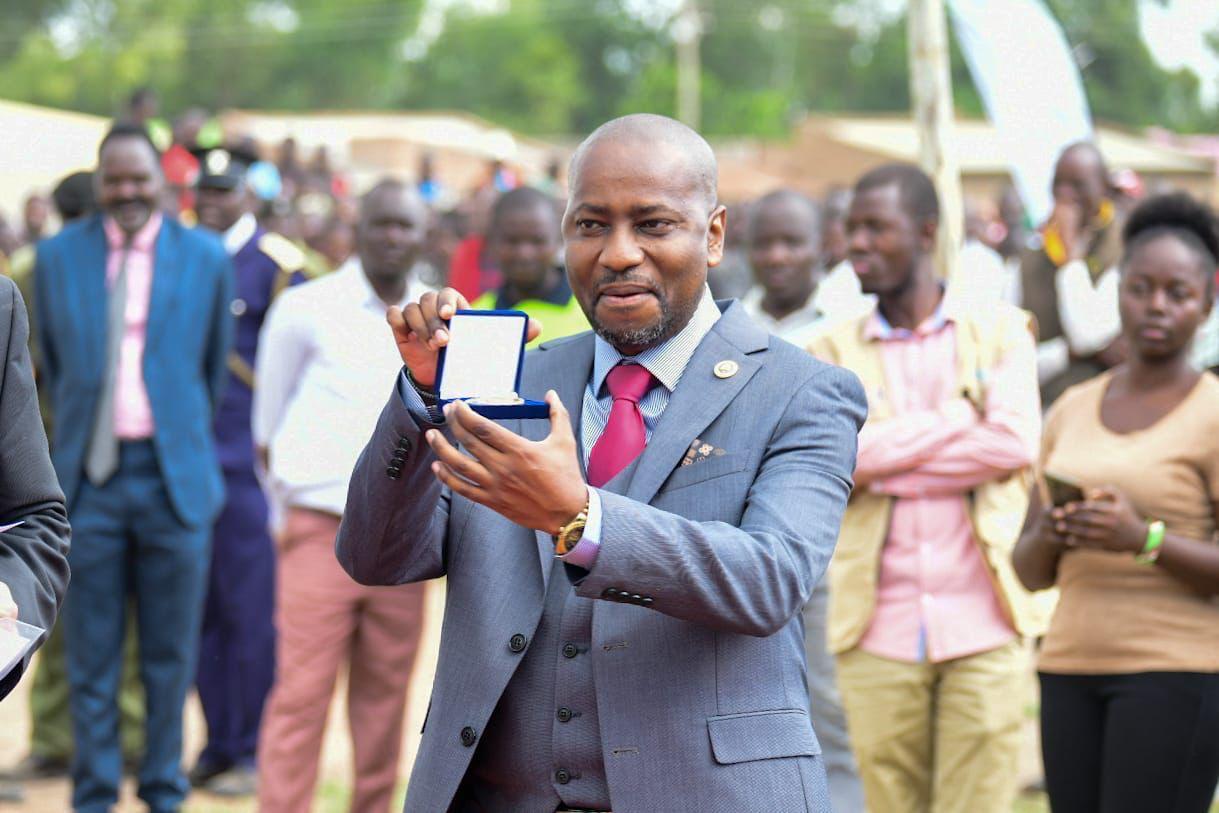
Amsons Group Managing Director and Chief Executive Officer Edha Nahdi said the company wanted the programme to move from agreements to completed projects.
“Our commitment would not remain on paper or inside boardrooms, but would reach the ground where healthcare needs are most urgent,” Nahdi said.
According to Amsons, the 10 hospitals are expected to serve up to 100,000 mothers annually. The planned locations are Bomet, Nairobi, Kwale, Mombasa, Garissa, Kisumu, Embu, Nakuru, Uasin Gishu and West Pokot.
Nahdi said the programme was intended to address gaps in access to specialised maternal and newborn services, particularly for women who travel long distances to receive emergency care during childbirth.
The Chebunyo hospital is expected to bring those services closer to communities in Bomet County.
The programme also differs from Amsons’ conventional commercial investments because the company says it will not retain the hospitals as commercial healthcare facilities. Instead, they will become public assets after completion and handover.
Nahdi described the company’s wider regional approach as one based on “shared prosperity”, linking its commercial activities to community development.
Ruto also used the occasion to highlight Kenya’s investment environment and its regional economic commitments, including its participation in the East African Community, COMESA and the African Continental Free Trade Area.
He said foreign direct investment had increased from about $1.6 billion to $3.2 billion over the past three years and cited Amsons among investors contributing to that growth.
For the hospital programme, however, the more immediate question is whether infrastructure investment will be matched by the resources needed to operate the facilities.
A fully equipped hospital cannot deliver its intended services without sufficient doctors, nurses, medicines, equipment maintenance and operating budgets.
The Chebunyo facility will therefore provide an early indication of how the model performs in practice.
If the infrastructure is completed while the government provides adequate staffing and recurrent funding, the programme could offer Kenya another way to expand public healthcare capacity without financing the initial construction through government borrowing.
If operational funding does not keep pace with construction, the impact of the investment could be more limited.
The programme is consequently more than a $35 million private-sector contribution. It is also a test of whether privately funded public-health infrastructure can be effectively integrated into Kenya’s health system over the long term.