Overcrowded classrooms, teacher shortages and inadequate learning materials are undermining foundational literacy and numeracy in Kenya’s public primary schools.
A new study by the African Population and Health Research Center (APHRC) highlights the need for stronger teacher mentorship, improved classroom infrastructure and increased investment in learning resources to address the challenges.

The study, conducted in 200 public primary schools across 11 counties, examined how literacy and numeracy are taught in the early grades and the factors influencing teachers’ classroom practices.
For Elizabeth Lokai Lokwe, a Grade Two teacher in Turkana County, these challenges are part of her daily experience. In her school, Grade One and Two learners study under trees because of inadequate classrooms. Some schools also lack electricity and functional digital devices, making it difficult to integrate technology into teaching.
“When we talk about integrating technology into teaching, where would we get electricity to power the equipment? We are still teaching some of our learners under trees,” she said.
With 68 learners in her Grade Two class, Lokwe says using digital devices is equally challenging because not all pupils can see the screen.
“If I use my phone to demonstrate something, not all the children can see the screen. I have to move around to ensure everyone gets a view. We simply do not have enough devices to support learning.”
Teacher shortages further affect lesson delivery. Her school has only seven teachers, yet she is expected to teach Grade Two, Grade Four and Grade Nine in junior secondary school. This forces teachers to move between classes and sometimes handle subjects outside their areas of specialisation.
“This affects lesson delivery and the quality of learning. You cannot expect me to deliver effectively when I have to leave one class and rush to another because learners are waiting,” she said.
She also raised concerns about teachers’ mental well-being, noting that personal and family pressures, combined with heavy workloads, affect their ability to give learners adequate attention. In some instances, ten learners share one textbook during group work.
Lokwe called for more support for Curriculum Support Officers (CSOs), who face financial and logistical difficulties when visiting schools. In Lodwar, an officer may travel for up to three hours on a motorcycle, spending approximately KSh3,000 to reach a school.
“We need to support our CSOs so that they can also support teachers. We also need regular training. Sometimes, we attend training and wait a whole year before another session. Continuous training would help us reinforce our skills and improve how we deliver lessons to our learners.”
The challenges facing teachers are also reflected in the work of education officers tasked with supporting classroom instruction. In Murang’a County, inadequate resources are making it difficult to reach schools and provide regular mentorship.
Davis Gitonga, a Curriculum Support Officer in Kigumo Sub-County, said inadequate transport, office facilities and teaching resources make it difficult for officers to carry out regular school visits.
“Our work is to guide teachers, mentor them, observe lessons and model teaching approaches so that they can deliver the curriculum professionally. We are not there to inspect or intimidate teachers but to support them to improve teaching and learning,” he said.
Gitonga noted that some teachers still struggle to interpret Competency-Based Education (CBE) curriculum designs, develop learning outcomes and prepare appropriate assessment tools. Others continue using traditional lecture methods instead of learner-centred approaches that respond to pupils’ needs.
“When teachers do not use CBE pedagogies, learners may fail to acquire the required skills and values. CBE is about nurturing every learner’s potential and developing empowered, ethical citizens,” he said.
He urged the Ministry of Education and the Teachers Service Commission (TSC) to provide adequate transport and other resources to enable regular school visits and effective teacher mentorship.
These challenges mirror findings from the APHRC study, which examined classroom practices and identified teacher mentorship as an important factor in improving learning outcomes.
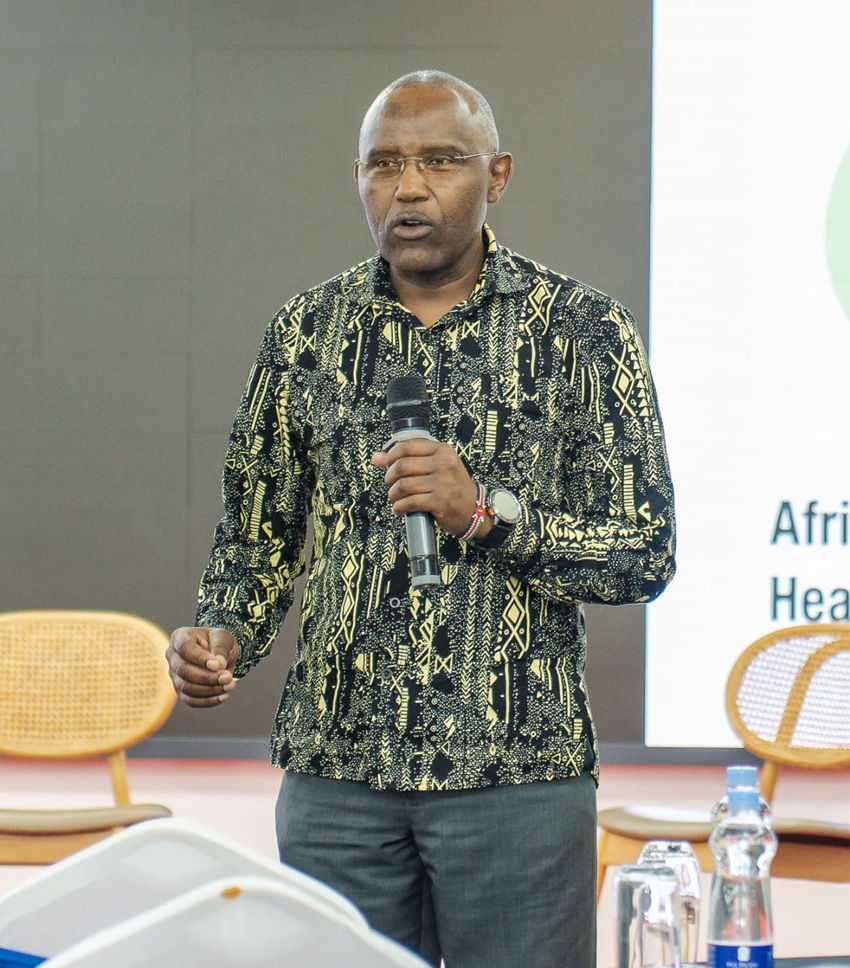
Moses Ngware, an APHRC researcher who leads education research and the Human Development theme, said foundational literacy and numeracy remain major concerns in Kenya.
The study found that six in ten Grade 3 learners cannot read a Grade 3-level English story with comprehension, while eight in ten cannot solve a basic Grade 3-level numeracy problem.
“These statistics made us ask questions about what is driving learning outcomes and what can be done differently to improve children’s ability to read and comprehend,” he said.
The study found that teachers who received regular coaching demonstrated better teaching practices and stronger learner engagement. However, inadequate transport makes it difficult for officers to visit schools consistently, with some responsible for up to 15 schools.
“My perspective is that we should invest in facilitating CSOs to move from one school to another, mentor teachers and coach them,” Ngware said.
The research also highlighted differences in learner-teacher ratios across the counties. The average was 36 learners per teacher, with Nairobi recording 65 compared with 17 in Makueni. Ngware added that some classrooms in Nairobi’s informal settlements had more than 100 learners.
He said large classes make it difficult for teachers to provide individual attention, particularly during reading practice and skills development.
“When I have 40, 50 or 60 children in a class, as a parent, I want the teacher to have one-on-one contact with my child. But when the numbers are that high, it becomes difficult for the teacher to reach every learner,” he said.
He called for increased investment in foundational learning and stronger classroom-based mentorship involving education officers and school heads.
“The focus on foundational learning and putting our investments there is very critical. Without that, forget it. It is not going to happen by miracle,” he said.
He added that schools should identify and replicate effective teaching approaches from overcrowded classrooms where learners are achieving good reading outcomes.
Story by Victoria Musimbi